 |
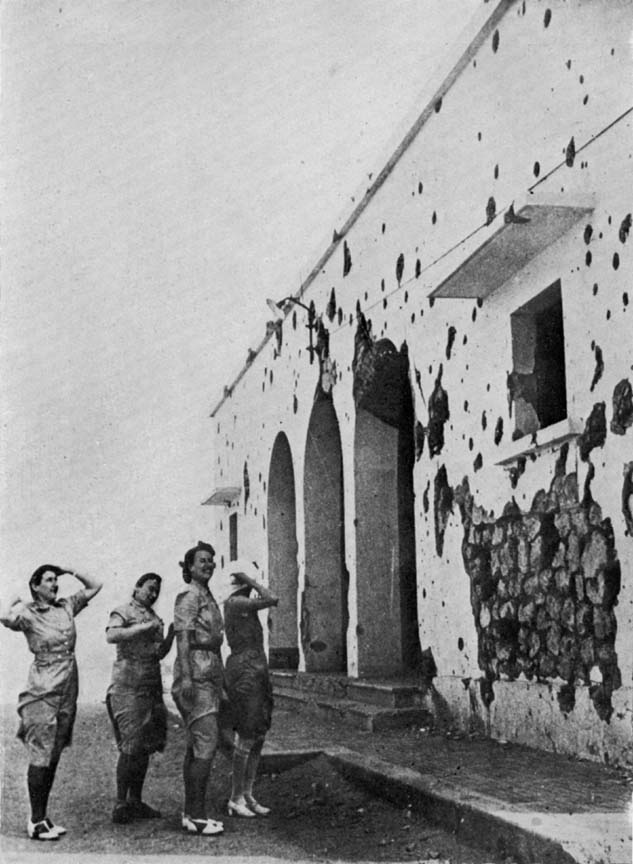
Four of the heroic "Hadfield Spears"
ambulance nurses---the only women n Tobruk during the seven months'
siege. |
 |
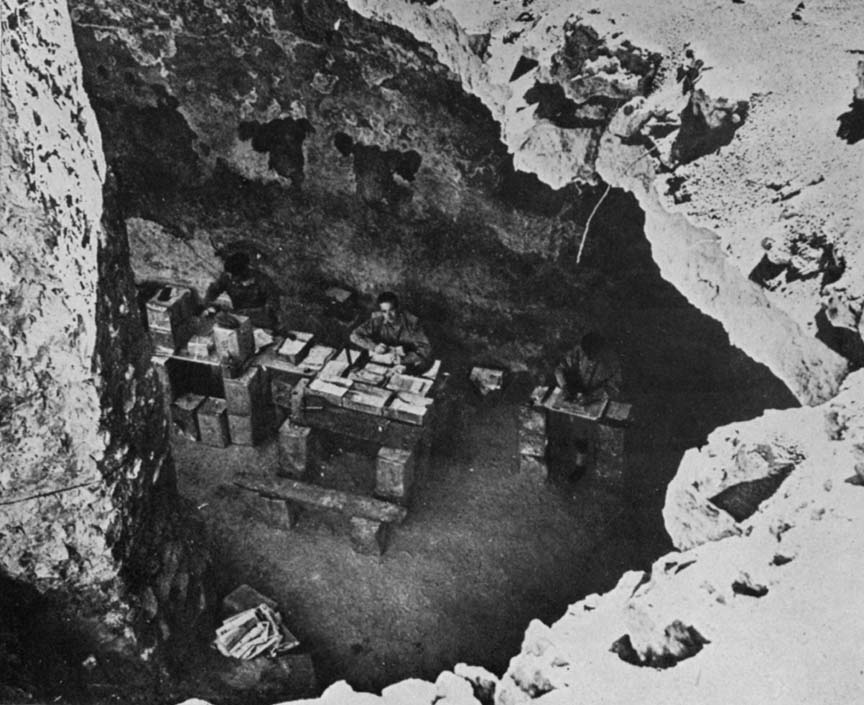
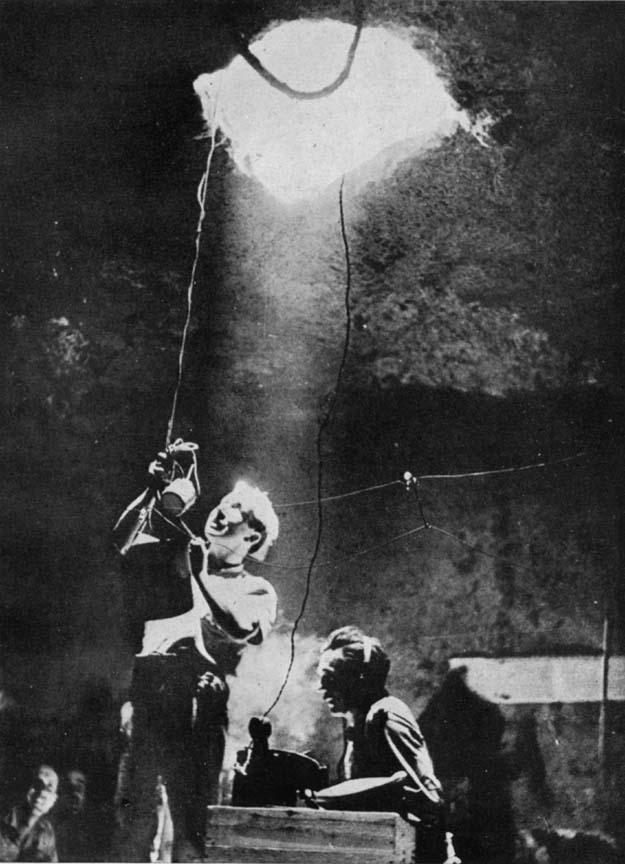
Water---priceless commodity of the Desert---was
found in many strange places. None was stranger than this underground
waterhole where R.A.S.C. personnel are seen working, after the
site had been discovered by a water-diviner. |
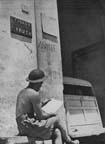 |
Despite the enemy's worst efforts, Tobruk's own
newspaper, the Tobruk Truth, was published every day during
the siege by a sergeant and a corporal. The picture shows the
entrance to the building. The office was actually a roofless
and windowless room above. |
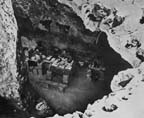 |
Headquarters in the forward areas were often
in the most unusual places. Here is one deep under the crust
of the Desert. |
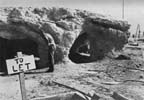 |
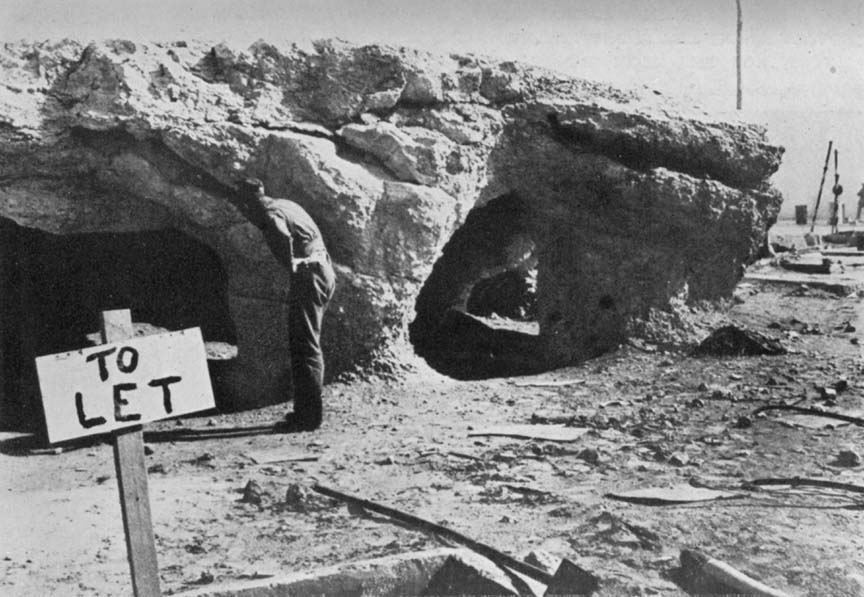
These caves on the foreshore were part of the
location of Crawford's company when they were on garrison duty
in Tobruk. When Tobruk was captured by the enemy during the retreat
to Alamein a company of Guards made their last stand here. |
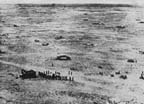 |
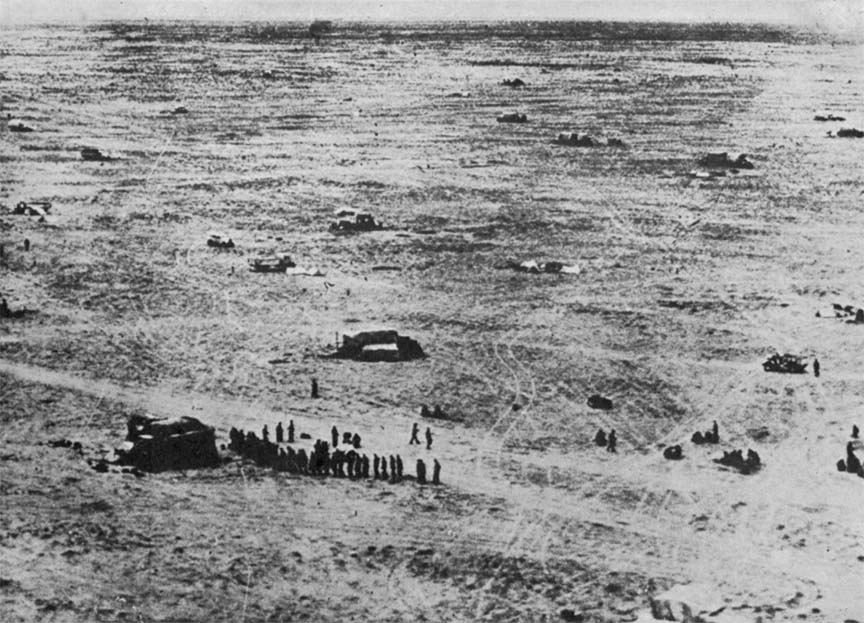
The R.A.S.C. platoon comes to rest for the night.
Note the lorries dispersed in pairs, so that a quick getaway
can be made if the enemy attack. Note the cook-house in the foreground. |
 |
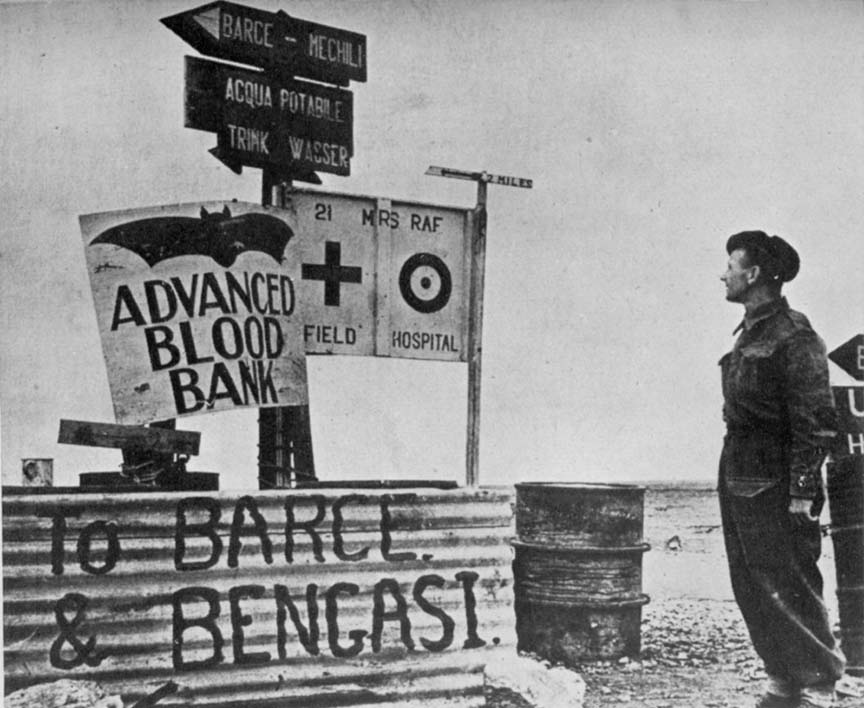
The British sense of humour often appeared in
the signs erected at famous desert crossroads. One of the most
highly decorated is seen above. The "Advanced Blood Bank"
was a centre where blood for transfusions was stored. |
 |
One of the strange places used by the Royal Corps
of Signals operators in the Desert---operators at work in an
ancient catacomb. The operators are collecting their dinner. |
 |
Map |