
SON of Fitz Albert and Helen D. (Cotting) Morse; was born in Brookline, Mass., Dec. 7, 1895. He was educated at the Country Day School, Boston; and at Harvard College, class of 1919. At school he played baseball and football, and was captain of the football team in 1914. At college he was assistant manager of his freshman baseball team, and 2d assistant manager of the Harvard, 1917, hockey team.
He left college in his sophomore year to enlist, on Oct. 23, 1917, at Boston. He received his ground training at M.I.T. and Cornell University, graduating on Jan. 26, 1918, and was assigned to Ellington Field, Houston, Tex., for flying instruction. He passed his reserve military aviator test on May 2, and was commissioned 2d Lieut. in the Air Service on that date. He was then assigned for advanced training in reconnaissance successively to Camp Dick, Dallas, Tex.; Post Field, Fort Sill, Okla.; and Taliaferro Field, Hicks, Tex. On Aug. 13, 1918, he embarked for duty overseas, arriving in France on Sept. 7, 1918. There was a great demand for bombers; and Lieut. Morse was assigned to the 7th Aviation Instruction Centre, near Clermont-Ferrand, for instruction in that branch. On completing the course in bombing he was detailed as instructor in flying, and was on such active duty when he was killed in an airplane accident, Nov. 6, 1918, at Clermont-Ferrand. He was buried in the U.S. Military Cemetery of that town.
According to proceedings of the Board of Officers convened to investigate the accident which caused Lieut. Morse's death, he was flying with an observer doing aerial gunnery practice at about 500 feet altitude, when the machine became in some way disabled and fell to the ground. Lieut. Morse was killed and the observer was slightly injured. In the findings of the investigation Lieut. Morse was not only exonerated from all blame, but was highly commended by his superior officer, who spoke of him as a good pilot and a man of ability and good judgment.

SON of Walter C. and Jessie F. (Willson) Metcalf; was born at Southboro, Mass., July 4, 1894. He prepared for college at Exeter, and William Nolen's, Cambridge, and was a member of the class of 1917, at Harvard College. In the spring of 1915, he entered the American Ambulance Service in France, and was one of the first to volunteer to drive at the front; his section was twice mentioned in the orders of the day at Pont-à-Mousson. He was a member of the Harvard Gun Club and one of the best intercollegiate shots. When the Harvard Flying Corps was organized by Frazier Curtis, in 1916, he was made temporary Flight Captain. He was one of the first ten men sent to the Harvard Flying School at Buffalo, in 1916, and the first to qualify there for his pilot's license, which he received from the Aero Club of America, Aug. 30, 1916.
On Nov. 19, 1916, he offered his services to his country, having previously been a member of Battery A, M.V.M., and was sent to Miami, Fla., in March, 1917. He was ordered to the School of Military Aeronautics, M.I.T., Cambridge, Nov. 2, 1917 (graduating Jan., 1918), and to Princeton University, Jan. 7, 1918, being transferred to Park Field, Memphis, Tenn., Jan. 14, 1918.
He was commissioned 2d Lieut. March 17, 1918, and was kept at Park Field as officer in charge of formation flying. He was twice recommended for promotion, by Major Jernegan and Col. McChord.
On Oct. 13, 1918, he succumbed to pneumonia at Park Field, Memphis, and was buried from his home at Westboro, Mass., with military honors. The long-wished-for overseas orders came to him after he was taken ill.
In a letter to Lieut. Metcalf's family, Frazier Curtis wrote:
What he did for army flying can only be realized by the few of us who know that in March, 1916. we had only 4 army flyers qualified for the Western Front, and that the Harvard Flying Corps was the first successful attempt to get college men interested in the flying game.
Married, Jan. 1, 1918, Helen T. B. Williams, of Pasadena, Cal.
Brother in Service ---
Walter W. Metcalf, Lieut.-Col., 305th Infantry, A.E.F.

SON of Roland B. and Catherine M. (O'Brien) Winterton; was horn in South Boston, Mass., May 7, 1889. He attended the South Boston High School, where he was prominent in athletics. He was devoted to yachting, and was librarian and an active member of the South Boston Yacht Club. He left his business as civil engineer and surveyor to enlist at the 1st Plattsburg Camp, May 7, 1917. Having been assigned to the Air Service, he was sent to the U.S.A. Aeronautical School, M.I.T., in Oct., 1917. On Dec. 19 he was transferred to Ellington Field, Houston, Tex., attached to the 1st Prov. Training Squadron, and later to the 2d Squadron. On March 25 he was commissioned 2d Lieut., AS.
On April 16, 1918, while acting as pilot of an airplane in which he and Cadet Jones of Worcester had been doing camera work near Webster, Tex., both aviators were killed at Ellington Field in an unexplained tail-spin, falling about 2000 feet to the ground. Lieut. Winterton was instantly killed; Cadet Jones lived about an hour. It is believed that the accident was due to a faulty engine.
The following extract is from a letter from his friends and brother officers to the mother of Lieut. Winterton:
Those who have known Roland and lived with him during his period of training wish to express their deepest sympathies to his mother in her sorrow. We knew him to be a gentleman and a soldier, as well as a stanch and patriotic citizen of our country, the United States of America. His name will long remain in our hearts, acting as an incentive, and giving us strength to help us through this conflict. We feel that there is no more beautiful passage from this earth than in the service of our country, for the cause of democracy. These words can but slightly express the feeling of loss we hold in our hearts.
A Resolution offered by the South Boston Yacht Club reads:
He answered the nation's call and with characteristic courage chose the Aviation Service. A thorough yachtsman, he was always willing and ready to lend a hand; and the remaining men of the Club bear testimony to his sterling worth as a sailor and as a man.
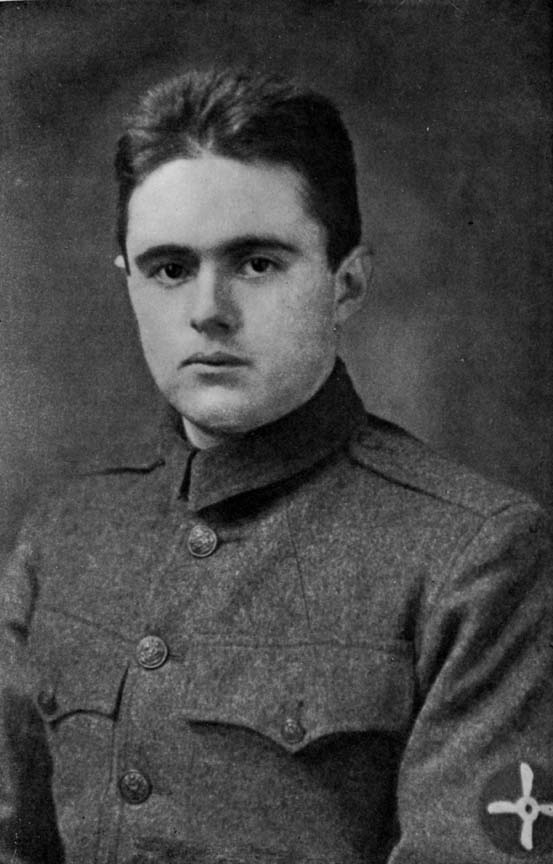
SON of William H. and Gertrude E. (Dudley) Jones, of Worcester, Mass.; was born in Nashua, N.H., Sept. 23, 1895. He was educated in the public schools of Worcester, Mass., and at Amherst Agricultural College. He was a member of the South High School crew, which won a number of races at Lake Quinsigamond. Before enlisting he did war garden work, farming alone a large garden in Millbury.
He enlisted at Boston, in Oct., 1918, and was sent first to M.I.T. Ground School for a few weeks, then to Cornell University, from Jan. 1 to March 2, 1918. He was then ordered to Ellington Field, Houston, Tex., attached to the 5th Cadet Aero Squadron.
On April 16, 1918, he was killed in an aeroplane accident at Ellington Field, and was buried in Lebanon, N.H. He was to have received his commission after this last flight, in which he and Lieut. Roland Winterton met their death. The two New Englanders, Cadet Jones and his pilot, Lieut. Winterton of South Boston, had just finished their daily lesson or "stunt," and were preparing to come down, when it was noticed that they were in a tail-spin; whether intentionally or not will never be known. They were unable to recover, and dashed about 2000 feet to the ground. Winterton was instantly killed, and Jones lived about an hour. There were several other accidents at the Field the same day, all of which were believed to have been due to faulty engines. Lieut. Jones had always been deeply interested in Aviation, and had hoped to engage in the Aerial Mail Service after the war.
Brother in Service ---
Leon D. Jones, Corporal, Co. C, 104th Infantry.
Brother-in-law in Service ---
Leroy W. Gardiner, Corporal, Co. C. 104th Infantry. Died from wounds received in action, July 7, 1918.
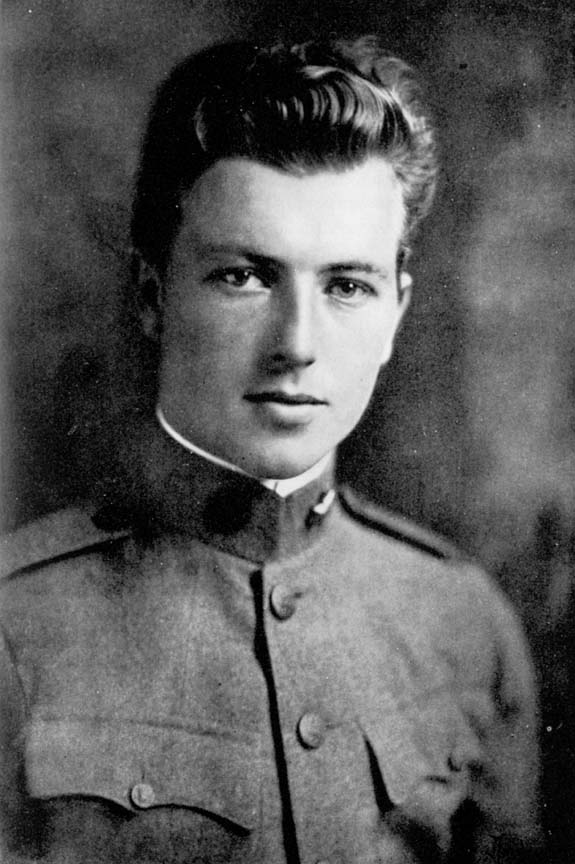
SON of James T. and Elizabeth (Nixon) Barron; was born in Portland, Ore., March , 1896. He was educated in the Portland public schools, Volkmann's School, Boston, and the Boston University College of Business Administration. At the time of his enlistment, he was by occupation a salmon-packer, vice-president of the Thlinket Packing Co., and Nooksack Packing Co., of Portland, Ore. He was a trained athlete, and when examined for the Aviation Service, at Portland Ore., he was pronounced the finest specimen of physical manhood ever seen by the examiner.
He enlisted at Boston, June 3, 1917, as cadet in the Aviation Service. He entered at once the Ground School, M.I.T., and finishing his course there was transferred to the Aviation Field at Essington, Pa.
On Aug. , 1917, Cadet Barron met his death by drowning, in an attempt to rescue two cadets of his class precipitated into the Delaware River by an accident to their hydroplane. He swam to their assistance, but his strength proved unequal to battle with the strong current and rough waters and he was drowned before reaching them. By order of the War Department he was accorded a military funeral of an officer of rank; and also by order of the War Department the Aviation Field at Fort Worth, Tex., formerly known as "Everman Field," was renamed "Barron Field," in his honor. The highest peak on Mansfield Peninsula, off southeastern Alaska, 4000 feet high, has also been named Mount Robert Barron by our Government to commemorate the Aviator who gave his life for his friends. Personal letters were received by the family of Cadet Barron, from President Wilson, Secretary Baker, Senator Chamberlain, and others, praising his heroic act. He was buried at Mount Calvary Cemetery, Portland, Ore.
Letter from President Wilson:
THE WHITE HOUSE
WASHINGTON12 December, 1917
MY DEAR FRIENDS:
May I not send you a word of very heartfelt sympathy? The death of your son in an heroic effort to save two of his comrades from drowning has excited my sympathy not only, but my very profound admiration. I hope that your grief will be tempered in some degree at least by a knowledge of the peculiar distinction with which your son died.
Cordially and sincerely yours (Sgd) WOODROW WILSON
Cadet Barron's grandfather, Robert Nixon, served in the Civil War, and met his death also by drowning, on a transport en route from the South to New York.
SON of Mr. and Mrs. Charles N. Hull, of Bridgeport, Conn.; was born Jan. 4, 1895. He was educated in the Boston public schools; at the Roxbury High School, 1912; and at Harvard College, A.B. 1916. He attended the 1st Plattsburg Training Camp, from May to Aug., 1917, and was commissioned 2d Lieut. Aug. 14, 1917. From Aug. 27 to Sept. 1, 1917, he was stationed at Camp Devens, Mass. He was attached to the Royal Flying Corps for special duty at Camp Borden, Ontario, Canada, from Sept. 1 to Oct., 1917. He was made Gunnery Officer of the 17th U.S. Aero Squadron, and stationed at Fort Worth, Tex., from Oct. 19, to Nov. 12, 1917.
Upon completion of the course at Ellington Field, Tex., he was appointed Gunnery Officer in that Aviation School, where he remained until Aug. 28, 1918, when he was transferred to Selfridge Field, Mt. Clemens, Mich., for a three weeks' specialization in gunnery, as a fighting observer in a pursuit plane, the final phase of that important work.
On Sept. 8, 1918, Lieut. Hull met his death as the result of a collision at 8.50 A.M. between two planes in mid-air, at the height of 2000 feet, in "combat practice."
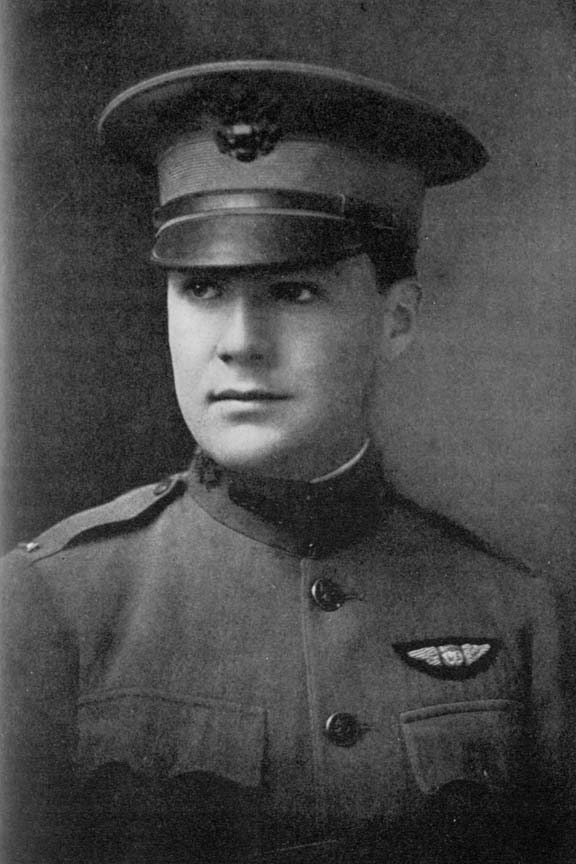
SON of Frederic P. and Maud (Morrison) Clement; was born at Elizabeth, N.J., March 20, 1895. He attended the Watertown, N.Y., public schools, and graduated from the Morristown School, N..J., where he won the highest scholarship prize each year; he obtained more scholarship prizes than any other boy in the school (Greek, Latin, French, History, and English) and played on the football and track teams.
He graduated from Harvard College in 1916; while there he was assistant manager of the Freshman track team, manager of the ‘Varsity track team, and a member of the executive committee I.C.A.A.A.A.; he belonged to the Institute of 1770, the Hasty Pudding Club, the Delphic Club, and the Signet Society.
He spent one year at the Harvard Law School, leaving in May, 1917, to enlist in the U.S. Service. He attended the 1st Officers' Training Camp at Plattsburg, and volunteered on the first call for aviators, and on June 19, 1917, entered the M.I.T. Ground School. From there he went to Mineola, N.Y., and was made a Reserve Military Aviator Sept. 1, 1917. On Sept. 18 he was transferred to Kelly Field, San Antonio, Tex., and on Oct. 5 commissioned 1st Lieut. in the Aviation Section of the Signal Reserve Corps; he went to Fort Sill, Okla., in Oct. as instructor in training observers, and in Nov. was ordered into the 4th Aero Squadron, scheduled for overseas duty; these orders were changed and he was stationed at Fort Dick, Dallas, Tex., where he was instrumental in getting a flying section started, and where he was the head of the court-martial department; he made out a series of lectures covering 150 cases. In April, 1918, he was sent to Taliaferro Field, Hicks, Tex., where he was considered the best flyer.
On July 4, 1918, Lieut. Clement was in charge of the exhibition flying at the Fair Grounds, Camp Dick; he had been thrilling his audience of 20,000 persons with daring aerial manoeuvres, when his plane suddenly went into a tail-spin and crashed to the earth. Lieut. Clement was hurried to the Camp Dick Hospital, but died before reaching there; his companion, Cadet Arnold Hald, was not seriously injured.
Shortly before his death Lieut. Clement established a new altitude record for Dallas, when he attained a height of 16,700 feet.
At the time of his death he was flying in a model J.N. 4--H Curtiss plane decorated with the Iron Cross to represent a German scout plane. With several other planes he appeared in battle formation dropping imaginary bombs. Lieut. Clement was playing the part of the German scout plane attempting an escape, when the accident occurred.
He was buried with military honors from Trinity Church, Rutland, Vt., and interred in the family lot there, at Evergreen Cemetery.
Lieut. Henri Le Maître, the famous French Ace, was present at the exhibition of flying when Lieut. Clement met his death. He expressed himself as amazed at the work of the Camp Dick flyers. Never, he said, in all his experience, both at the front and in America, had he seen such flying. He spoke especially of the daring and skilful work of Lieut. Clement.
Brother in Service ---
Roger C. Clement, Harvard Regiment 1916-17, commissioned 1st Lieut. Nov. 27, 1917, promoted to Capt. Aug., 1918, at Camp Devens.

SON of George H. and Hannah A. (Ziegler) Trider; was born in Waltham, Mass., Sept. 13, 1890. He was educated in the Waltham public schools and at Massachusetts Agricultural College.
He enlisted Sept. 27, 1917, at Cambridge, Mass., and trained first at M.I.T. Ground School, from Dec. 1, 1917, to Jan. 6, 1918; then he was transferred to Princeton University, U.S.S.M.A., where he graduated on Feb. 2, 1918. He was attached to the Cadet Detachment, 13th Squadron, at Camp Dick, Dallas, Tex., from March 2 to March 13, and had flying training at Taliaferro Field, Fort Worth, Tex., from March 13 to June 28, 1918. He was commissioned 2d Lieut. June 21, 1918, with brevet grade, R.M.A. He was ordered to Flying Officers' Detachment, Camp Dick, from June 28 to July 25; and acted as machine-gun instructor, at Wilbur Wright Field, Fairfield, O., from July 27 to Aug. 24, 1918.
Receiving overseas orders, Lieut. Trider sailed from Hoboken on Aug. 30, 1918, landing in Brest on Sept. 12. He trained as a pursuit pilot at the 3d Aviation Instruction Centre, Issoudun, from Sept. 22 to Oct. 12, when he was attached to the American Aviation Acceptance Park at Orly, until Jan. 20, 1919, ferrying airplanes to the front and to other points.
Lieut. Trider had various narrow escapes from death, even though he saw no actual combat. On Oct. 8, 1918, he wrecked a Nieuport and was injured. During a bombing-raid at Nancy the auto in which Lieut. Trider and thirteen other aviators were riding was struck and rolled down an embankment in the dark. Only one aviator, Lieut. Richard Banks, was killed, the others having a marvellous escape.
Lieut. Trider was honorably discharged at Camp Dix, N.J., on Feb. 23, 1919.
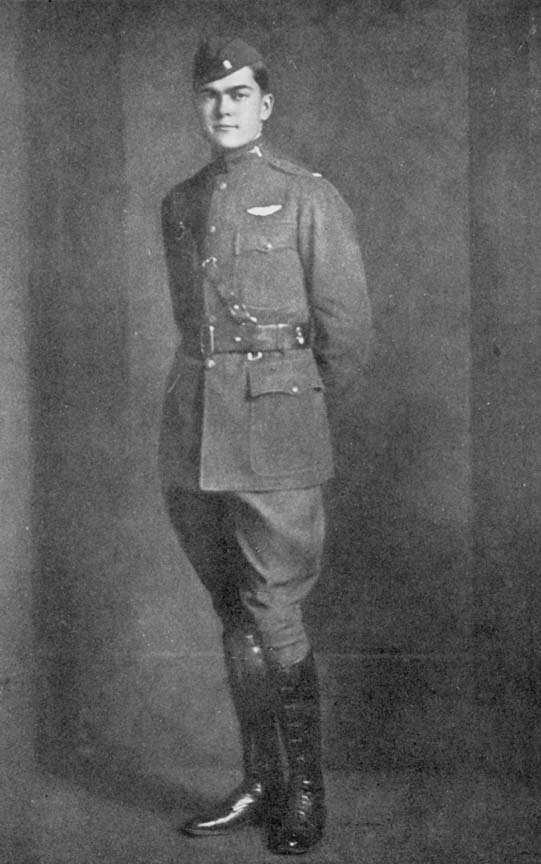
SON of William and Karolen (Bartlett) Bacon of Brookline. Mass.; was born in Brookline, March 26, 1897. He was educated at the Country Day School, Newton, Mass., and entered Harvard College with the class of 1919. He graduated from the Curtiss Aviation School, Buffalo, N.Y., in 1916.
He enlisted in the Air Service in Boston on May 18, 1917, and was a member of the first class graduated from the Ground School, M.I.T. On July 15, 1917, before completing the course, Bacon received overseas orders and sailed for France on July 23, 1917. He had his preliminary training on Caudrons at the French Aviation School at Tours, where he remained from Aug. 16 to Sept. 28, 1917. He then received instruction on Nieuport 23-metre and 18-metre machines, at the French School, Avord, from Sept. 29 to Oct. 21, 1917. From Oct. 22, 1917, to Jan. 8, 1918, he was at the 3d Aviation Instruction Centre at Issoudun, where he was trained in formation flying, acrobatics, and cross-country flying, on 15-metre Nieuports. He was then transferred to the French School at Cazaux for work in aerial gunnery (Lewis gun), where he remained until the end of Jan. He was subsequently ordered to Hythe, Kent, Eng., where he spent from Feb. 9 to Feb. 23 at the R.F.C. School in a course in aerial gunnery (Vickers gun). After graduating from another course in aerial gunnery (Vickers gun), this time at the R.F.C. School, Turnberry, Ayrshire, Scotland (March 1-12, 1918), he was assigned as Instructor to the Aerial Gunnery School, 2d Aviation Instruction Centre, at Tours, in charge of range and aerial practice, from March 25 to Sept. 15, 1918; and from Sept. 15 to Nov. 11, 1918, was Staff Chasse Pilote on camera-gun practice.
He was commissioned 1st Lieut. on Nov. 20, 1917. He returned to the U.S. on March 25, 1919, and was honorably discharged from the Service on May 14, 1919.
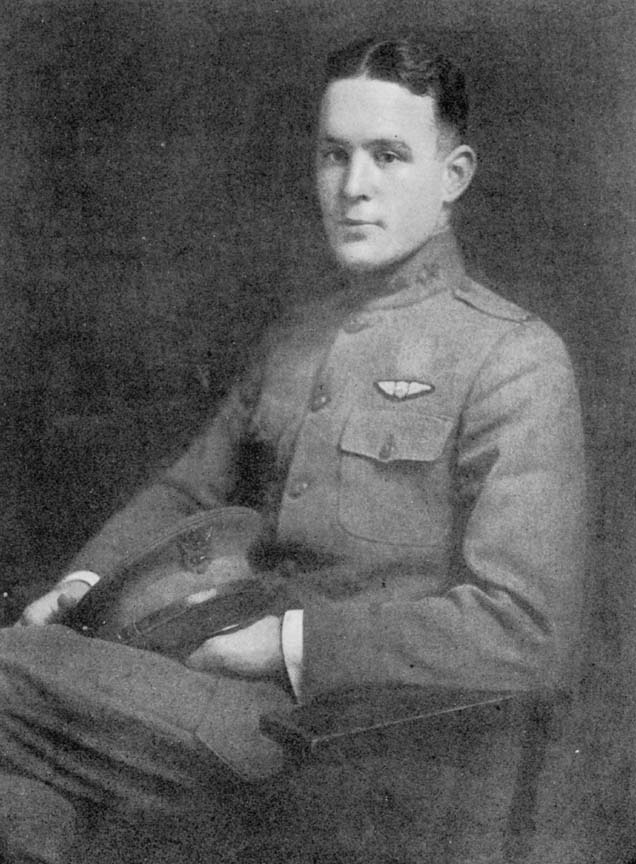
SECOND LIEUTENANT, A.S.A., U.S.A., THREE HUNDRED FIFTY-FOURTH AERO SQUADRON, SIXTH OBSERVATION GROUP
SON of Josiah M. and Mary F. (Krum) Lasell, was born in Whitinsville, Mass., Nov. 30, 1897. He was educated at the Hotchkiss School, Conn., and at Williams College. At Hotchkiss he played on the football team, and at Williams played on the freshman football team. In the summer of 1916 he attended the Officers' Training Camp at Plattsburg.
He enlisted at Minneola, Fla., on Aug. 22, 1917. He trained at M.I.T. Ground School, Sept. 29, 1917, to Nov. 24, 1917; and at Love Field, Dallas, Tex., from Nov. 28, 1917, to Feb. 23, 1918. He was commissioned 2d Lieut. Feb. 16, 1918, and trained at Camp Dick, Dallas, Tex., Feb. 23 to March 18; Post Field, Fort Sill, Okla., March 18 to April 15, 1918; Camp Dick, April 15 to June 29; Taliaferro Field, Fort Worth, Tex., June 29 to July 31.
Lieut. Lasell sailed overseas on Aug. 9, 1918, and was stationed at St.-Maixent, France, from Aug. 22 to Sept. 25, 1918; at Issoudun, 3d Aviation Instruction Centre, Sept. 27 to Oct. 16; with the 354th Squadron, Oct. 20 to Nov. 26, at Antreville. He was then ordered to Saizerais, in the Marbache sector. He was stationed at Tours, 2d A.I.C. from Nov. 28 to Dec. 21; and at Bordeaux, Dec. 21 to 25. He sailed for home on Dec. 26, 1918, arriving in the U.S. on Jan. 7. He was honorably discharged at the U.S. Army General Hospital No. 10, Boston, Mass., on Feb. 20, 1919.
Brother in Service ---
Josiah Lasell, 2d, Captain, C. O. 302d Hq. Co., 16th Division.
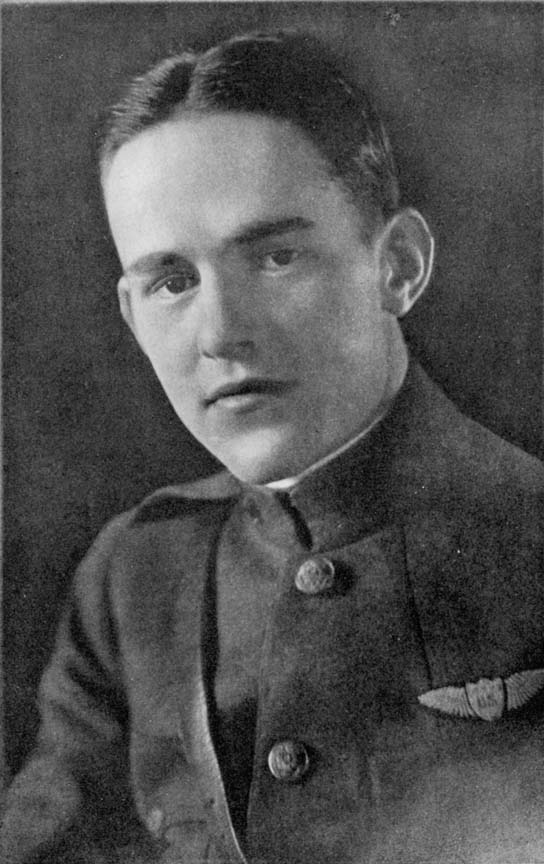
SON of Frederick Heber and Alice (Leavitt) Keel), of Milton, Mass.; was born at Wollaston, Mass., Nov. 3, 1892. He was educated at Milton public schools, Milton Academy, and Harvard College, class of 1915.
He was a cadet in the Harvard R.O.T.C., 1916 and 1917. He attended Plattsburg Training Camp from May 13, 1917; was commissioned 2d Lieut., I.O.R.C., Aug. 15, 1917, and ordered to active duty at Camp Devens on Aug. 8, 1917. From here in a few days he was ordered to the Royal Flying Corps, Camp Borden, Ont., then to the University of Toronto for courses in military aeronautics. Leaving there for Fort Worth, Tex., on Nov. 8, 1917, he became attached to the 28th Aero Squadron, Taliaferro Field, Fort Hicks, Tex. He was injured in an airplane accident, Nov. 22, 1917, when his leg was fractured; and did not report for duty until about March 20, 1918. He was then attached to the 78th Aero Squadron. He was again injured in an airplane accident, at Fort Worth, Tex., on May 3, 1918, when his machine got into a tailspin and crashed. He died on May 6, as a result of his fall, at Fort Worth, Tex. He was buried at Milton, Mass.
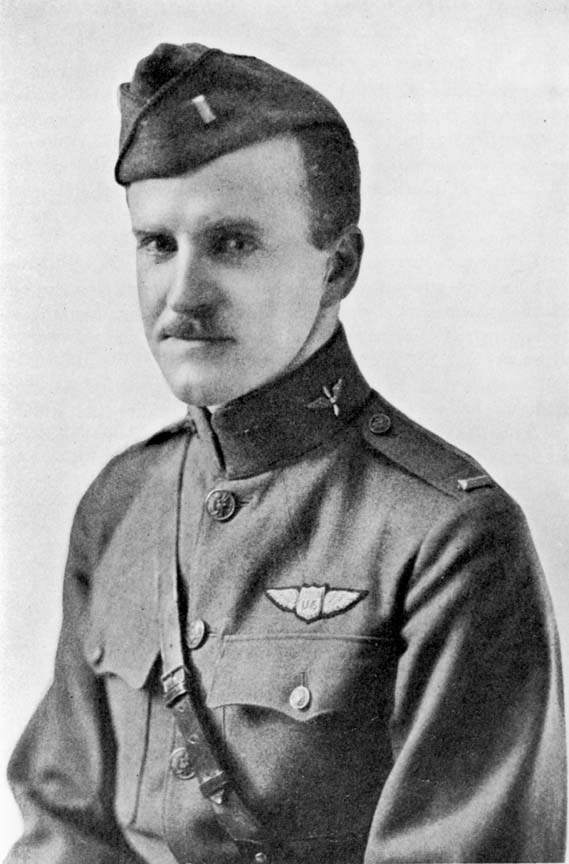
SON of Warren A. and Madeline (Weedman) Locke, of Cambridge, Mass.; was born in Cambridge on Oct. 14, 1891. He attended the Cambridge Latin School, and graduated from Harvard College in 1913. At Harvard he played on the freshman hockey team in 1910, and on the 'Varsity soccer team in 1911, 1912, and 1913.
Prior to the declaration of war he was 2d Lieut, in the 1st Armored Motor Battery, in the National Guard of New York. He enlisted in the Air Service at Mineola, N.Y., July 19, 1917, and was assigned to the Cornell Ground School, Ithaca, N.Y., where he remained from Aug. 20 to Oct. 13. On Oct. 25 he sailed overseas as Aviation Cadet.
He was trained at the 3d Aviation Instruction Centre, Issoudun, France, from Nov. 17 to March 21. He was commissioned 1st Lieut. on May 18, 1918, and was on the staff at Issoudun.
Lieut. Locke was honorably discharged from the Service at Mitchel Field, Garden City, N.Y., on April 20, 1919.
Brother in Service ---
Arthur W. Locke, A.R.C., Camp Devens, Ayer, Mass.

SON of John and Selina A. (Watling) Bradley, of Groton, Mass.: was born at Quincy, Mass., Dec. 13, 1890. He was educated at the Groton High School and at the Mass. Agricultural College, Amherst, graduating in 1914, with the degree of B.S. He received a Government appointment and became attached to the Bureau of Entomology at Washington, working at the laboratory at Melrose Highlands until his enlistment.
He enlisted Nov. 27, 1917, and went to the Ground School, M.I.T., for training; was transferred to Princeton, N.J., in Dec., and from there was sent to Camp Dick, Dallas, Tex. He was again transferred to Wilbur Wright Field, Dayton, O., and was there commissioned 2d Lieut. on June 17, 1918. He was killed in a fall on July 4, 1918, while instructing cadets at Wilbur Wright Field.
Lieut. Bradley's Commander wrote to his mother that Bradley was one of the most promising aviators at the Field, and that they had expected a brilliant career for him.
Brother in Service
William G. Bradley, 2d Lieut., A.S., U.S.A.

SON of John and Selina A. (Watling) Bradley; was born at Quincy, Mass., Aug. 11, 1892. He was educated at the Groton High School and Mass. Agricultural College, Amherst.
He enlisted at the Ground School, M.I.T., in Sept., 1917, and was trained there, at Princeton, N.J., Camp Dick, Dallas, Tex., at the Flying School, Kelly Field, San Antonio, Tex., and at Brooks Field, San Antonio, Tex. Soon after reaching Kelly Field, Bradley was flying with his instructor who was driving the ship, when it fell, killing the instructor and injuring Bradley. In Nov., 1918, he was commissioned 2d Lieut., receiving Instructor's rating on Jan. 6, 1919. At the closing of Brooks Field he was honorably discharged, Jan. 7, 1919.
Brother in Service ---
Lieut. John Watling Bradley, Instructor in Aviation; killed in accident on July 4, 1918.

SON of John Couper and Elizabeth (Morrill) Edwards, of Marion, Mass.; was born in Brookline, Mass., Nov. 18, 1896. He was educated at the Noble and Greenough School; Milton Academy, 1914; and at Harvard College, 1918.
He enlisted in June, 1917, at Boston, and trained at the M.I.T. Ground School, and at Mineola, N.Y. He sailed for France in Oct., after receiving his commission as 1st Lieut., A.S., U.S.A., and continued his training at the French and U.S. Aviation Schools in France, notably at Issoudun. Lieut. Edwards spent the winter of 1917-18 on the Brittany coast. In the summer of 1918 he trained student officers from the U.S. at Issoudun, in the use of de Haviland machines.
After the Armistice, Lieut. Edwards was chosen special courier for Gen. Patrick, Chief of the U.S. Air Service. His official duty was to take by airplane from Tours to Paris the completed MS. of the history of the American Air Service in France. He received a special recommendation for this courier work from Col. Hiram Bingham, his Commanding Officer; special commendation also for his work in training student officers. He was honorably discharged on Feb. 20, 1919, at Paris.
Married, Nov. 30, 1918, Marcelle Moch, of France.
Brother in Service
B. Allison Edwards, Capt. U.S.A., 30 F.A., A.E.F.
Grandfather in Service ---
Lewis Allison Edwards, M.D., Col., U.S.A.
SON of Joe Garner and Mary (North) Estill; was born in Lakeville, Conn., May 6, 1894. He attended the New Haven public schools, graduated from Hotchkiss School, and Yale Scientific School. He holds the record of Hotchkiss School for half-mile, 2'5".
He enlisted in Boston on May 21, 1917, and trained at M.I.T. Ground School; had flying training at Mineola, N.Y., and was stationed at Kelly Field, San Antonio, Tex., for a short time. On Oct. 3, 1917, he was commissioned 1st Lieut. in Aviation Section, Signal Service.
Lieut. Estill returned to Mineola, and was ordered overseas on Oct. 30, 1917. He reported at Issoudun, at the 3d Aviation Instruction Centre; and was sent later to Châteauroux to fly with the French; thence to Coëtquidan, for pilot, at the American Artillery Observation School for some months. He then went back to Issoudun and finished his training in all forms of flying --- scout flying, aerial gunnery, acrobacy, bombing.
He was made assistant tester of planes at Issoudun, after finishing training at Cazaux. Two weeks later he was made tester of planes at St-Jean de Monts, Vendée. After a few weeks there he had the misfortune to slip in alighting from his plane, and the propeller almost completely severed his left arm above the elbow. He was rushed to Base Hospital 34, Nantes, and his arm was saved.
Brothers in Service ---
Wallace Estill, 2d Lieut. F.A.C.O. T.S., Camp Zachary Taylor. Gordon North Estill, member S.A.T.C., at Yale.
SON of Minotte Estes and Stella Stowe (Russell) Chatfield; was born in New Haven, Conn., Sept. 14, 1891. He attended the Taft and Cheshire Schools, and graduated from the Sheffield Scientific School, Yale, in 1915. He was on the football and hockey teams at Taft and Cheshire Schools, and holds the half-mile track record at Taft.
On Dec. 15, 1915, he enlisted in Co. F (New Haven Grays), 2d Regiment, Conn. Infantry. He was on duty at the Mexican Border from June 20 to Nov. 8, 1916, and was appointed Corporal, Feb. 8, 1917. He was sent as one of 25 non-commissioned officers to the 1st R.O.T.C. at Plattsburg, May 20, 1917. He was honorably discharged as a Corporal from U.S. Army on Aug. 16, 1917, by reason of enlistment in S.E.R.C., Aug. 10, 1917. About July 20, Chatfield was sent as Acting Sergeant in charge of 15 men, to U.S. Ground School, M.I.T., and during the school term he was Acting Sergeant of the class, graduating as a cadet on Sept. 29, 1917. He was honorably discharged as Corporal from Nat. Guard of U.S. on Aug. 5, 1917, when the regiment entered Federal Service.
He sailed for France on Oct. 17, 1917, and trained at Issoudun until Feb. 8, 1918, when he was transferred to Campo Avest, Aviation Camp, at Foggia, Italy. Having finished his preliminary training at Foggia, he received his brevetto on June 8, 1918, and was made a member of the Aero Club d'Italia. He was transferred to Campo Sud, Foggia, on June 9.
On June 25, 1918, he was commissioned 1st Lieut. Air Service (Aeronautics), of the National Army, and started instruction on Caproni machines. Lieut. Chatfield was later sent to Foggia Renantico, near the Italian front, as pilot bomber of a 600 h.p. Caproni biplane. He left for St.-Maixent, France, on Nov. 10, 1918.
On Dec. 16 he sailed from Bordeaux for America. He reported at Garden City, N.Y., and was honorably discharged on Jan. 8, 1919.

SON of Harry Reeves and Celia E. (Potter) Trainer, of Brookline, Mass.; was born in Boston Dec. 8, 1891. He was educated in the Brookline public schools, the Stone School, Boston, and Harvard College, A.B. 1915. He was a member of the freshman hockey team; captain of the second hockey team in 1914 and 1915; a member of the Institute of 1770, D.K.E. Fraternity, Hasty Pudding Club, and Owl Club. He attended the Officers' Training Camp at Plattsburg, from July 12 to Aug. 8, 1916.
On April 16, 1917, he enlisted for four years, at Boston; reported at Mineola, N.Y., on April 23, and completed his R.M.A. tests on July 3. He was commissioned 1st Lieut. Aviation Section, S.O.R.C. July 18, 1917. On July 25, he was sent to Mt. Clemens, Mich., for further instruction. He was on active duty with flying status orders from Aug. 11, 1917. On Oct. 5, he was ordered overseas as Supply Officer attached to the 8th Aero Squadron. He sailed on Nov. 22, arriving in England on Dec. 8. He was immediately detached from the Squadron and attached to the Royal Flying Corps. The greater part of the next seven months he spent in three different hospitals with pleuro-pneumonia and mastoiditis. In Oct., 1918, being discharged as physically fit he resumed flying duties. At London Colney, Herts, Eng., he learned to fly SE 5. (combat) machines, and was on duty at that station as a scout pilot when the Armistice was signed. Lieut. Trainer was honorably discharged on Dec. 28, 1918, at Garden City, N.Y.
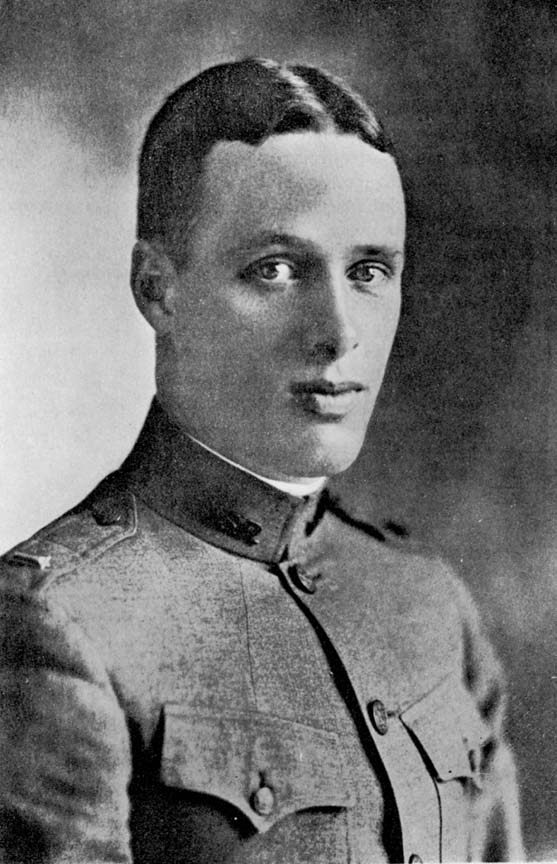
SON of Charles W. and Mabel (Brace) Ward; was born in Brookline, Mass., Dec. 3, 1895. He was educated at the Browne and Nichols School, Cambridge, at Brookline High School, and at Harvard College, B.S. 1917. He was on his class football and soccer teams; and played on the Love Field football team, while in Service.
He attended the Officers' Training Camp at Plattsburg in 1916, and trained with Harvard R.O.T.C. in 1917. He enlisted at Boston in April, 1917, and attended the 1st Officers' Training Camp at Plattsburg from May to Aug., 1917. He was appointed to the 301st Mass. Infantry with the commission of 2d Lieut. on Aug. 15, 1917; and trained at Camp Devens, Mass., until March, 1918. He was stationed at Aviation Ground School, Austin, Tex., from March to May, 1918, detached from Service for instruction as a pilot. He attended Princeton Ground School in June, 1917; and Chanute Flying Field, Rantoul, Ill., from July to Oct., 1918. He was appointed Reserve Military Aviator in Oct., 1918, and transferred to Love Field, Dallas, Tex., where he spent Nov. and Dec., 1918.
Lieut. Ward was honorably discharged from the Army on Dec. 13, 1918, at Love Field, Dallas, Tex.
Grandfather in Service---
Captain Andrew Abbot Ward, U.S.N., Civil War.
Grandfather in Service ---
Sergeant David Elwell Saunders, U.S.A., Civil War.

SON of Rev. Edwin Charles and Clarendo (Yeomans) Headle, of Bolton, Mass.; was born in Winthrop, Mass., March 21, 1893. He was educated at the Winthrop High School, and the Mass. Agricultural College, Amherst. He was one of the first in rank at college, though having to work his way through. He played baseball, and was the best shot in the rifle team.
He enlisted in Aviation at the beginning of the war, at Springfield, Mass., and was trained at M.I.T. Ground School. He sailed overseas and landed in France Sept. 17, 1917. He started flying under French instructors at Tours, and was trained with the Caudron plane, receiving his Reserve Military Aviation grade, in Feb., 1918, and the French brevet at the same time. For the next two months he took advanced flying on Nieuports, at Issoudun, in the 3d Aviation Instruction Centre, returning to Tours in March, 1918, when he began instruction in flying, and acted as staff pilot in the 2d Aviation Instruction Centre. From Aug., 1918, to March, 1919, he was Chef de Piste in the Observation Training Camp at Tours. He was then appointed instructor in the A.E.F. University, Beaune, France.
Brother in Service
Herbert Wallace Headle, Corp., Co. E, 23d Engineers.

SON of Herbert J. and Emilie Augusta (Green) Harwood; was born at Littleton, Mass., July 16, 1897. He was educated at Concord (Mass.) High School, and at Harvard College, class of 1920. At college he became a member of Delta Kappa Epsilon, Institute of 1770, Delta Upsilon, and was on the board of the Harvard Crimson. He was the holder of the Harvard interscholastic pole vault record, 12' 1" and was a member of the Harvard freshman and 'Varsity track teams. He attended the Plattsburg Camp in 1916, and trained with the Harvard R.O.T.C. in 1917.
He enlisted at Boston on Dec. 24, 1917. He attended the U.S. School of Military Aeronautics, Princeton, from Feb. 16 to April 13, 1918; was stationed in turn at Camp Dick, Dallas, Tex., April 22 to May 13, 1918; Scott Field, Belleville, Ill., May 15 to Sept. 26, 1918, and was commissioned 2d Lieut. A.S.A., on July 27, 1918. He was stationed at Park Field, Memphis, Tenn., Sept. 27, 1918, to Jan. 25, 1919. At Park Field, Lieut. Harwood was Officer in Charge of Formation Flying. He was honorably discharged on Jan. 25, 1919, at Park Field, to finish his course at Harvard College.
Brothers in Service ---
Herbert E. Harwood, 1st Lieut., A.S. (M.A.)
Jonathan H. Harwood, Capt. 303d F. A. Eight months' service in France as Battalion Commander; commanded Officers' Artillery School at Camp Devens, Mass..
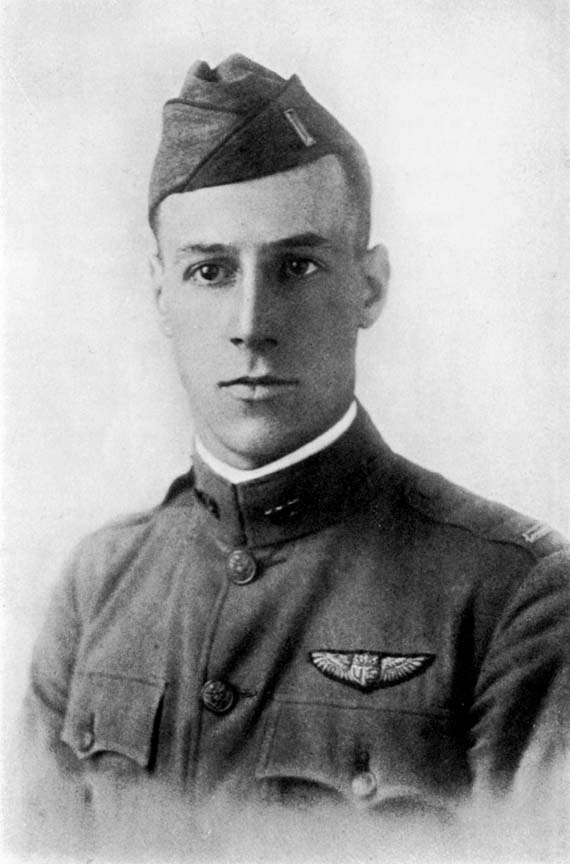
SON of Charles R. and Drusilla A. (Robinson) Safford of Wollaston, Mass.; was born in Atlantic, Mass., on Oct. 4, 1897. He was educated at the Quincy (Mass.) High School; at Boston University, and at the Mass. Institute of Technology. In school and college he played baseball and basket-ball.
He enlisted in Boston on Aug. 29, 1917, and was assigned to the Ground School, M.I.T., on Nov. 17, 1917. He was later transferred to the Ground School at Princeton University, from which he graduated on Feb. 9, 1918. He continued his training at Camp Dick, Dallas, Tex., Feb. 12 to April 3, 1918, and at Kelly Field, San Antonio, Tex., April 4 to April 23. He was then sent to Hazelhurst Field, N.Y., attached to the 1st U.S. Coast Patrol. He received his commission as 2d Lieut. on June 4, 1918, and was ordered to Camp Dick, Dallas, Tex., on June 15, and from there to Wilbur Wright Field, Dayton, O. He was then transferred to Hoboken, N.J., for overseas service, and sailed Sept. 8, 1918.
On arriving at Brest, Sept. O, Lieut. Safford was assigned to the 3d Aviation Instruction Centre at Issoudun, France, at which he remained until Jan. 8, 1919. He was ordered to Angers on Jan. 8, and to Brest on Feb. 3. He sailed for America on Feb. 8, arriving at Philadelphia on Feb. 1, 1919. Lieut. Safford was honorably discharged at Camp Dix. N.J., on Feb. 23, 1919.
Brother in Service ---
Henry W. Safford, Corp. 301st Infantry, A.E.F.

Soy of Robert Wiley and Martha Gibson (Palmer) Phelps, of Gloucester, Mass.; was born in Clinton, Mass., April 11, 1892. He was educated in the public schools of Gloucester and at Dartmouth College, All 1914. At college he was a member of the Mandolin and Glee Club, the Outing Club, and Kappa Sigma Fraternity. He later engaged in the automobile business.
On June 20, 1917, he enlisted in the Aviation Service, and was ordered to the M.I.T. Ground School, where he remained until Aug. 20, when he was sent to Flying School at Scott Field, Belleville, Ill. He left Belleville Nov. 20, 1917; was commissioned 1st Lieut. Dec., 1917, and reported to Mineola, N.Y., about Dec. 20. he received instruction there until Aug. 20, 1918, when he sailed overseas and was stationed at Sussex, Eng., at the Handley-Page Acceptance Park No. 1. There he acted in many capacities as Assistant Flying Adjutant, until the signing of the Armistice, when he assumed the duties of Adjutant, until the camp was dismantled. About Nov. 20 he went to London as liaison officer, and worked in conjunction with the British Flying Forces, until English Aviation affairs were settled, receiving permission from the Royal Air Force to wear the insignia of the Eagle and Crown, for services rendered. Lieut. Phelps was ordered to Paris about Jan. 20, 1919, as a liaison officer.
Married, Aug. 3, 1917, Harriet Hazeltine Gage, of Haverhill, Mass.; a son, Ralph M., Jr., born May 31, 1918.

SON of Richard Sprague and Carrie (Gill) Stearns, of Jamaica Plain, Mass.; was born in Eastbourne, Eng., Sept. 8, 1895. He fitted for college at the Noble and Greenough School, and graduated from Harvard College in 1917, with a high record for scholarship. He was a member of the Institute, D.K.E., and Hasty Pudding Club; and was for two years captain of the Harvard rifle team. He attended the Plattsburg Camp in 1915.
He enlisted in May, 1917, from M.I.T., where He was in the first squadron of 25 to receive ground instruction. He was transferred to Mineola, N.Y., about July 10, 1917, passed his Reserve Military air test Aug. 11, 1917, and was sent to San Antonio, Ten for a month of training. He sailed for France on Nov. 1, and continued his training at Issoudun. From there he went to the bombing school at Clermont-Ferrand. In Jan., 1918, he was commissioned 1st Lieut., and was made instructor at the 7th Aviation Instruction Centre, Clermont-Ferrand. He was acting as chief pilot and testing a machine, on May 25, 1918, when he fell, and was killed in the execution of his duty. With him was George M. Martin, who was also killed. He is buried at Clermont-Ferrand.
Capt. Walker M. Ellis, Officer in Charge of Training at Clermont-Ferrand, after stating that on account of the skill, judgment, and ability of Lieut. Stearns, he had retained him as instructor, wrote:
'Though he did n't like it, he accepted his assignment cheerfully and did splendidly as an instructor . 'We soon grew to have absolute confidence in him. He was above all things reliable. He never did any spectacular flying, but every movement in the air was perfect, and he knew what he was doing every instant of the time. There were two or three Fiats, which were ready for testing .... It seems that he had taken up one ......he immediate cause of the trouble was a vertical bank at about 2000 feet, during which the nose of the machine fell, which resulted in a tail-spin .... He was instantly killed. No other accident ever did, or will, affect me as that one did. He was such a dear boy; and he represented the very best in young American manhood.
Brother in Service ---
George Gill Stearns, 1st Canadian Reserve Battalion.
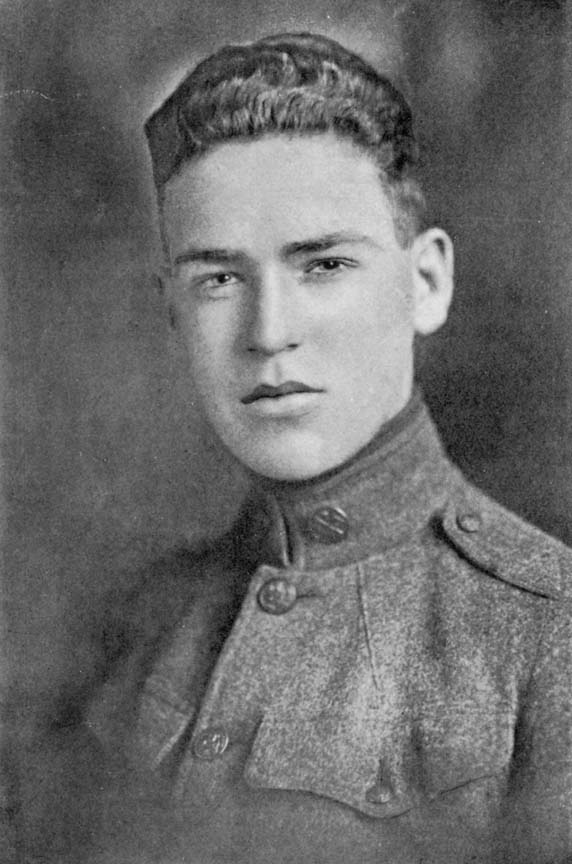
SON of George W. and Jessie (Dalton) Hurd; was horn in Boston, May 2, 1898. He was educated at the English High School, Boston, and had one year at Northeastern College.
He enlisted on Oct. 26, 1917, at Boston, and was trained at M.I.T. Ground School and Cornell University, later going to Gerstner Field, Lake Charles, La. He was commissioned 2d Lieut. on May 9, 1918, as pursuit pilot, and sailed overseas Sept. 17, 1918. He was attached to the 644th Squadron at Issoudun, France. On May 8, 1918, he fell 800 feet with his machine, completely wrecking it, but escaping with a few minor cuts and bruises. He was appointed one of the eight instructors in France of aerial fighting and tactics. When his school closed he became interested in furthering entertainments for those in Service and was attached to the Show Detail, taking a company of 5 enlisted men organized as a minstrel show, to all the camps and stations in France; he and two other officers comprising the orchestra. He had just reached the front when the Armistice was signed.
Citations 1. In accordance with instructions from Commanding Officer the following is submitted: 2d Lieut. VOLNEY D. HURD, A.S. On Nov. 11, 1918.
Lieut. Hurd was detailed as Combat Instructor at Field No. 8. Despite his lack of previous experience as an instructor, his alertness and ability to fly soon made his work noticeable in its thoroughness. He displayed a willingness to work and a precision in his efforts that marked him as an exponent of the efficiency of the field. His careful analysis and correction of the faults of his pupil, made them pilots of high standard.
(Signed) H. L. WINGATE
Captain, A.S.You would not have been selected to be a member of the teaching (one of the largest and most important flying school in France if it had not been that you showed unusual ability as a pilot and reliability and trustworthiness as an officer. Your self-sacrifice and loyalty in training others to achieve brilliant victories merits the highest commendation.
(Signed) ) HIRAM BINGHAM
Lt.-Col., A.S., Commanding

SON of Frederic Atherton and Sylvia (Woodin) Caldwell, of Kingston, R.I.; was born at Toledo, O., Sept. 22, 1892. He was educated at the Woonsocket (R.I.) public schools, and at Rhode Island State College, where he was on the basket-ball and track teams.
He enlisted in the Aviation Service at Cambridge, Mass., July 15, 1917. He graduated from the M.I.T. Ground School Nov. 17, and was ordered to Garden City, N.Y., for overseas training. He was transferred to the Flying School, Love Field, Dallas, Tex., Dec. 25, 1917, where he completed his course and was commissioned 2d Lieut. April 20, 1918. He was sent successively to Camp Dick, to Langley Field, Hampton, Va., and to Taliaferro Field, Fort Worth, Tex., where he was retained as instructor until Oct. 2, 1918, when he was again transferred to Garden City for overseas service. He was attached to the 48th Squadron, 1st Provisional Wing, at Mitchel Field, Garden City. Later he was transferred to Hazelhurst Field, Mineola, N.Y. He is a member of the Aero Club of America.
On Feb. 15, 1919, Lieut. Caldwell was sent to Ancon, Panama, for special flying work. He is still in Service.
Brother in Service ---
Seth Atherton Caldwell, Ensign, U.S.N.
Grandfather in Service ---
Charles Henry Bromedge, Line officer, U.S.N., in Civil War. Commanded gunboat Itaska at capture of New Orleans. Commodore in blockade squadron.
Great-grandfather in Service
James Henry Caldwell. officer, U.S.N.; died at sea from wound received in Mexican War.
Great-great-grandfather in Service ---
Charles Caldwell, Marine officer, U.S.N.
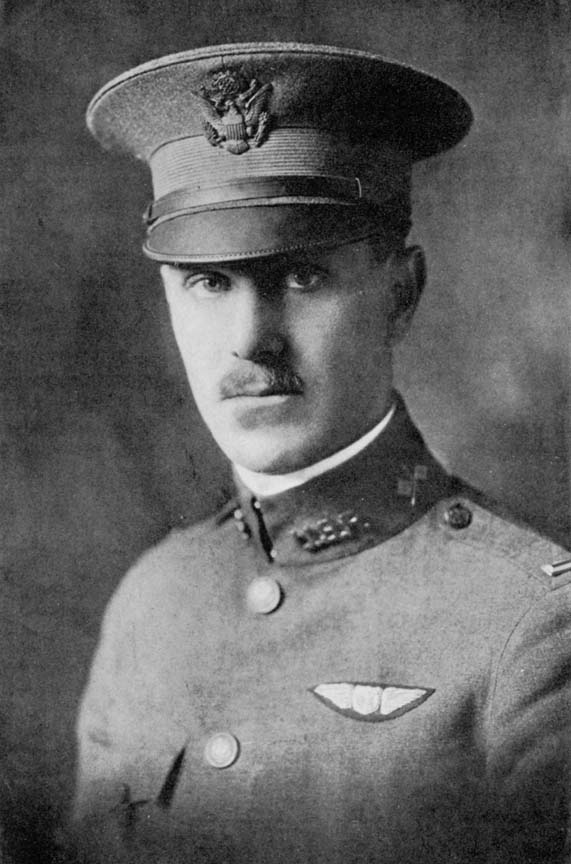
SON of Mr. and Mrs. Frederic William Thomas; was born at Melrose, Mass., Dec. 28, 1888. He was educated at the Melrose High School, the Allen School, Newton, Mass., and at Dartmouth College, where he was a member of Theta Delta Chi Fraternity. Before the war he served in Co. L, 8th Regiment, M.V.M.
He joined the National Guard, U.S.A., on June 28, 1916, and served as Regiment Supply Sergeant of the 8th Regulars at Camp Cotton, Tex., on the Mexican Border; being honorably discharged in May, 1917. He enlisted in Aviation Service on May 14, 1917, at the 1st Plattsburg Officers' Training Camp, and attended first the M.I.T. Ground School, graduating Dec. 8, 1917. He received flying training at Park Field, Memphis, Tenn., and was there Commissioned 2d Lieut. on March 22, 1918. He sailed for France on May 19, 1918; received Nieuport training at the 3d Aviation Instruction Centre, Issoudun, France; qualified as an observation pilot at the 2d Aviation Instruction Centre, Tours, France; and studied aerial gunnery at St.-Jean-des-Monts, Vendée, France. On Oct. 20, 1918, he was ordered to the Zone of Advance, and was assigned to 2d Corps Aeronautical School as staff pilot, at Châtillon-sur-Seine. At the time of the Armistice he was training observers in photographic missions, infantry liaison and artillery réglage. His was the last school in France to close after the Armistice; and Lieut. Thomas was still continuing his work there in Feb., 1919.
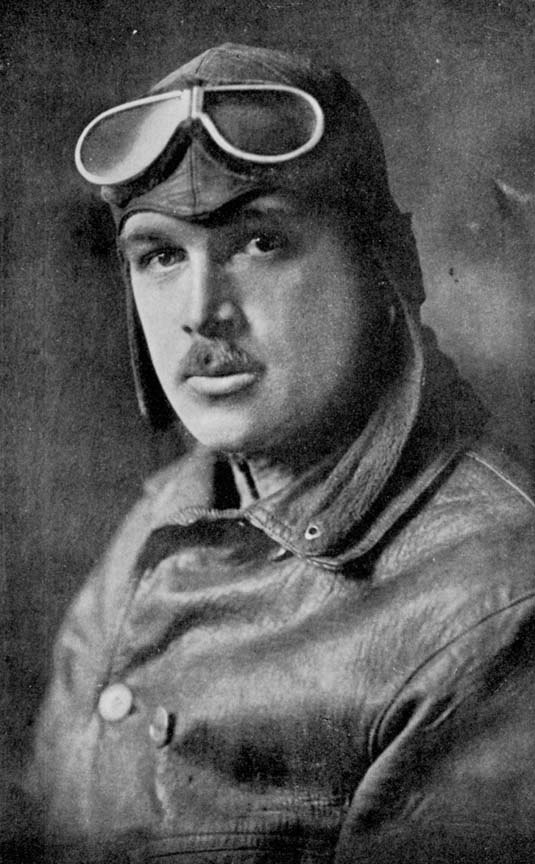
SON of Allen P. and Harriet L. (Seymour) Soule, of Hingham, Mass.; was born in Malden, Mass., April .5, 1891. He was educated in the public schools of Hingham, and at Colby College, where he played on the 'Varsity football team. Previous to enlisting he served three years in Co. H, 2d Regiment, Maine Nat. Guard; two years in Battery A, 1st Regt. Mass. FA., seeing Service on the Mexican Border in 1916.
He enlisted in Aviation on Oct. 23, 1917, at Boston, and was assigned to Princeton Ground School, Nov. 24, 1917. He graduated Feb. 2, 1918, and served as Squadron Commander for five weeks, when he was transferred to Camp Dick, Dallas, Tex on Feb. 5, 1918. From there he was sent to Ellington Field, Houston, Tex., on March 8, 1918. On April 1, 1918, Cadet Soule received an injury from a collision in the air, while training at Ellington Field, which resulted in his physical disqualification for the Air Service. He was recommended for a commission on June 25, 1918; but was discharged on July 8, 1918.
Quoting from the Findings and Recommendation of the Headquarters Board, at Ellington Field, dated June 25, 1918:
The Board is of the opinion that on account of the physical disqualifications of this cadet, he should be removed from flying status and discontinue his training as pilot. He is an excellent type of man, his record is absolutely clean at this School, and his services as a cadet in training for a commission have been satisfactory in every respect except physically, and inasmuch as he had had some 45 hours' training and is particularly acquainted with the Air Service, the Board recommends that he be considered as a candidate for a commission as Adjutant, or as a Supply Officer, and if this be not approved, it is recommended that he be discharged from the service of the United States.
Mr. Soule was assigned to duty as Inspector and Tester of Airplanes at Detroit Acceptance Park, by the Bureau of Aircraft Production, on Sept. 9, 1918. He resigned from this duty on Dec. 10, 1918.
Married, June 23, 1917, Eleanor Patterson.
SON of George O. and Mary Etta (Cook) Hoyt; was born at Haverhill, Mass., Dec. 29, 1891. He was educated in the Haverhill Schools, at Deering High School, Portland, Me., and at Dartmouth College.
He enlisted at Boston on April 15, 1917, and attended the 1st Plattsburg Camp that spring and summer; and the S.M.A., M.I.T., Cambridge, from Oct. 10 to Dec. 1, 1917. He was successively trained at Rich Field, Waco, Tex., Dec. 7, 1917, to April 11, 1918; Camp Dick, Dallas, Tex., April 16 to May 10; Hoboken, N.,J., May 16 to June 1; Camp Dick, Dallas, Tex., June 12 to June 29; Post Field, Fort Sill, Okla., June 29 to Aug. 3, 1918. He was commissioned 2d Lieut. on March 30, 1918. After finishing his course at Fort Sill, he was chosen temporary instructor, but was released at his own request. At Taliaferro Field, Fort Worth, Tex., where he was ordered from Aug. 8 to Sept. 4, 1918, on finishing his course he was again appointed instructor. But after making a special plea. Lieut. Hoyt was again released and obtained overseas orders. He was put in command of a casual company and stationed at Hoboken, N.J., and Camp Merritt, from Sept. 16 to Oct. 13, 1918. This delay prevented him from seeing active service. He sailed overseas, however, in Oct., and was stationed in France from Oct. 26, 1918, to .Jan. 26, 1919, when he was ordered back to America, and honorably discharged at Garden City, N.Y., on Feb. 14. 1919.
Brother in Service ---
George S. Hoyt, Serg't, 1st (Class, Q.-M. Corps.
SON of Fred Don and Lois (Bryant) Pollard of Proctorsville, Vt.; was born in Proctorsville, Jan. 13, 1892. He attended the Black River Academy, Ludlow, Vt., and graduated from Dartmouth College in 1911.
He enlisted at Camp Devens, Ayer, Mass., on Sept. 17, 1917, and served as Corporal in the 301st Infantry until Jan. 5, 1918, when he was transferred to the Air Service. He attended the Ground School at Cornell University from Jan. 5 to March 5, 1918, and was then ordered to Camp Dick, Dallas, Tex., where he remained until April 23. He was sent to Park Field, Tenn., where he stayed from April 23 to Aug. 28, and where he was commissioned 2d Lieut., A.S.A., on July 16, 1918. Subsequently he received further training at Post Field, Fort Sill, Okla., from Aug. 28 to Oct. 28; and at Taliaferro Field, Tex., from Oct. 28 to Nov. 13, 1918. He was ordered to the Air Service Dépôt, Garden City, N.Y., where he was held from Nov. 13, to the date of his honorable discharge from the Service on Dec. 19, 1918.
Married, Dec. 16, 1918, France Ganguet.
Brothers in Service
Rowland P. Pollard, Corp., Co. C. 310th Infantry.
Bryant F. Pollard, 3d Serg't., 58th FA.
Roy G. Pollard, Private, Dartmouth S.A.T.C.
Sister in Service
Mary V. Pollard, Dietitian, Ellis Island Hospital.
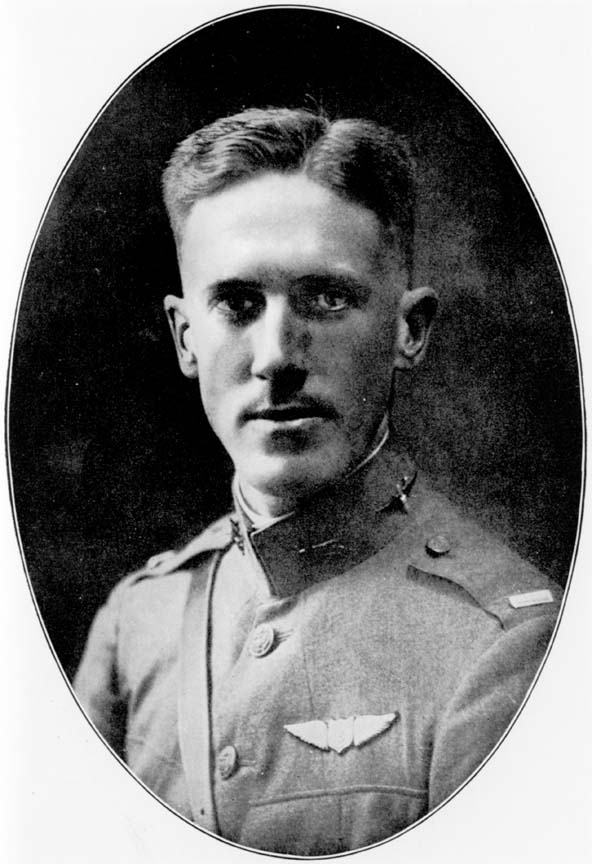
SON of Rev. Sidney Kingman and Jennie H. (Shattuck) Perkins, of Manchester, Vt.; was born in Haverhill, N.H., Oct. 21, 1891. He was educated at the York (Me.) High School, and at Amherst College, A.B. 1912. For two years after graduation he was Assistant Register and Assistant to the Dean of Amherst. He then entered business with the Sears Manuf. Co., of Walpole, Mass. Just prior to his enlistment he was treasurer of a company which was to furnish the Government with surgical dressings.
He enlisted at New York City on July 17, 1917. From Aug. 20 to Oct. 13 he studied at Cornell University Ground School. On Oct. 27, 1917, he sailed for France with the 10th Detachment of Flying Cadets. From Nov. 17 to Feb. 10, he trained in flying at Issoudun, 3d Aviation Instruction Centre. From Feb. 10 to May 16, he was first student, then instructor, in aerial gunnery at Cazaux. From May 16 to Aug. 16 he had pilot's training at 2d and 3d A.I.C. From Aug. 16 to Nov. 27 he was staff pilot attached to 2d A.I.C. He was commissioned 1st Lieut. on May 18, 1918. He was honorably discharged at Garden City, N.Y., on March 18, 1919.
Brother in Service---
Roger Conant Perkins, Chief Quartermaster, U.S.N.R.F.; killed in seaplane accident, March 14, 1918.
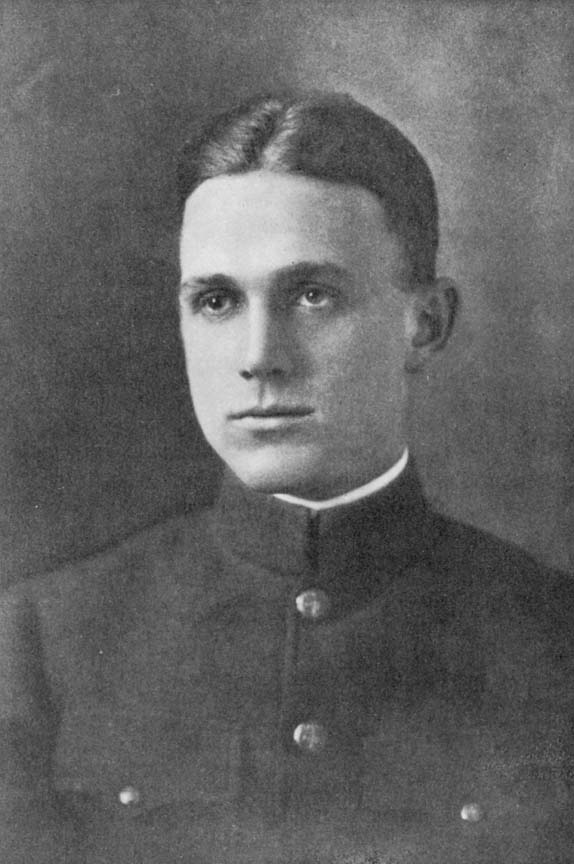
SON of Rev. Sidney Kingman and Jennie H. (Shattuck) Perkins, of Manchester, Vt.; was born at West Springfield, Mass., Nov. 6, 1895. He was educated in the schools of York, Me., and Manchester, Vt., and at Amherst College, class of 1917. He was a member of the Amherst football team, and was manager of the 'Varsity baseball team at the time of his enlistment. He was also a member of the Sphinx Club and the Scarab at college.
He enlisted at New York City on April 9, 1917. He trained at the M.I.T. Ground School, where he stood second in his class, with the honorary rank of brevet Ensign. On Feb. 12, 1918, he was sent to Key West, Fla., for training in flying. He had been up 16 times alone, and was making his 50th flight, when his seaplane fell, on March 14, 1918, and he was killed. He is buried in Manchester, Vt.
A former teacher said of him: "Roger was a leader of boys and promised to become a leader of men."
Brother in Service ---
Charles Kingman Perkins, 1st Lieut., U.S.A.S.
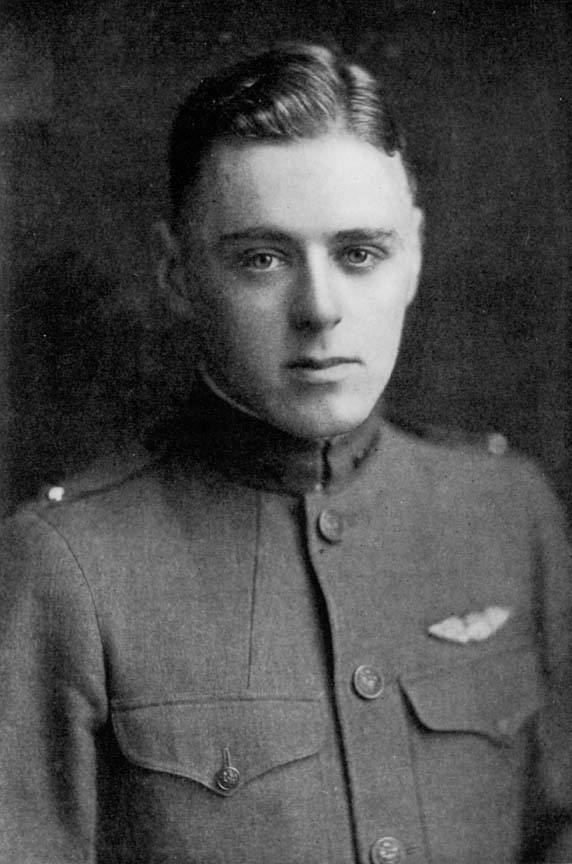
SON of Arthur Jones and Rosita (Lavalle) Richmond, of Boston, Mass.; was born in Boston, Aug. 31, 1896. He was educated at St. Mark's School, and at Harvard College. He was trained by the Harvard Undergraduate Aero Training Fund at the Thomas Aviation School, Ithaca, N.Y., from July to Oct., 1916, and flew at Marblehead in the winter of 1916-17.
He enlisted in the Air Service at Boston, Mass., on March 1, 1917, and was ordered to complete his training at the Curtiss Aviation School, Miami, Fla., where he remained as Sergeant, S.E.R.C., from March to June, 1917. He was subsequently ordered to Kelly Field, San Antonio, Tex., for advanced flying, for the month of July. He was commissioned 1st Lieut., Sig. R.C.A.S., on June 25, 1917, and was put in command of the 22d Aero Squadron, U.S.A., attached to R.F.C., at Leaside, Toronto, Can., from Aug. to Oct., 1917. He was then made Assistant Officer in Charge of Flying at Scott Field, Belleville, Ill., from Oct. to Dec., 1917. He was then assigned to Park Field, Memphis, Tenn., from Dec., 1917, to Oct., 1918, first as Assistant Officer in Charge of Flying, and later as Officer in Charge of Flying. He was commissioned Capt., S.C., Regular Army, on Feb. 19, 1918. He was ordered to the port of embarkation, Hoboken, N.J., on Oct. 15, 1918, sailed Nov. 11, and was turned back. Capt. Richmond was honorably discharged at Hoboken, N.J., on Dec. 9, 1918, to enter the reserve forces.
He flew almost 12,000 miles cross-country for the Third Liberty Loan, covering territory from Pensacola, Fla., to Chicago, Ill., Kansas City, Mo., and Dayton, O.
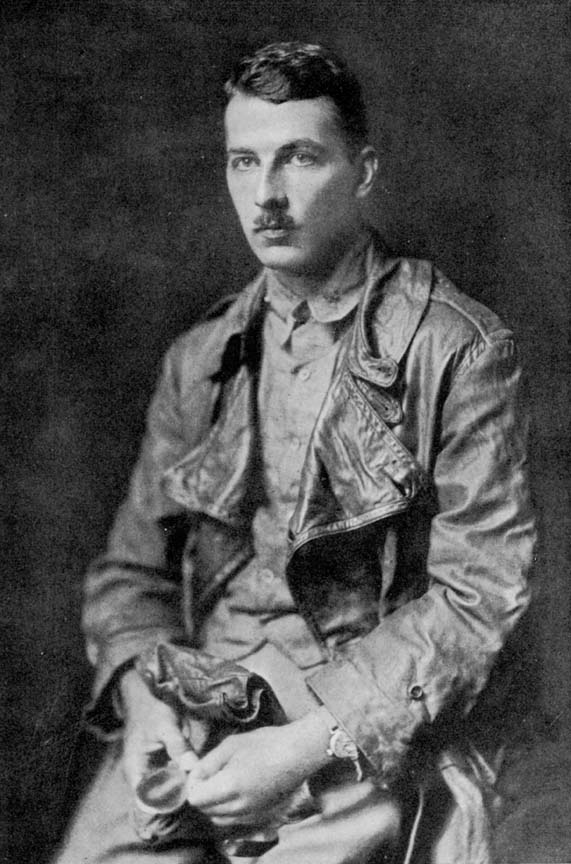
SECOND LIEUTENANT, A.S.A., U.S.A., ONE HUNDRED SIXTY-EIGHTH AERO SQUADRON, FIRST ARMY OBSERVATION
SON of Mr. and Mrs. Charles Putnam Searle; was born in Boston, Mass., July 7, 1891. He graduated from the Stone School and from Harvard College, S.B. 1914. At college he played on his class football teams, and was a member of his class crew. At one time he was a member of Battery A, 1st Mass. F.A., N.G.
He enlisted in Sept., 1917, at Cornell University, and trained there in the School of Aeronautics, graduating on Jan. 26, 1918. He then trained successively at Ellington Field, Houston, Tex.; Camp Dick, Dallas, Tex.; Langley Field, Hampton, Va.; and Taliaferro Field, Hicks, Tex. He was commissioned 2d Lieut. on May 2, 1918, and ordered overseas.
Lieut. Searle sailed from Hoboken, N.J.; on Sept. 15, 1918, landed at Brest, France, and trained at St.-Maixent, Deux Soeurs, France; Issoudun, and Colombey-les-Belles; being assigned to the 168th Aero Squadron, 1st Army Observation, at Mannonville.
He was honorably discharged at St.-Aignan, Loire-et-Cher, France, on April 5, 1919.
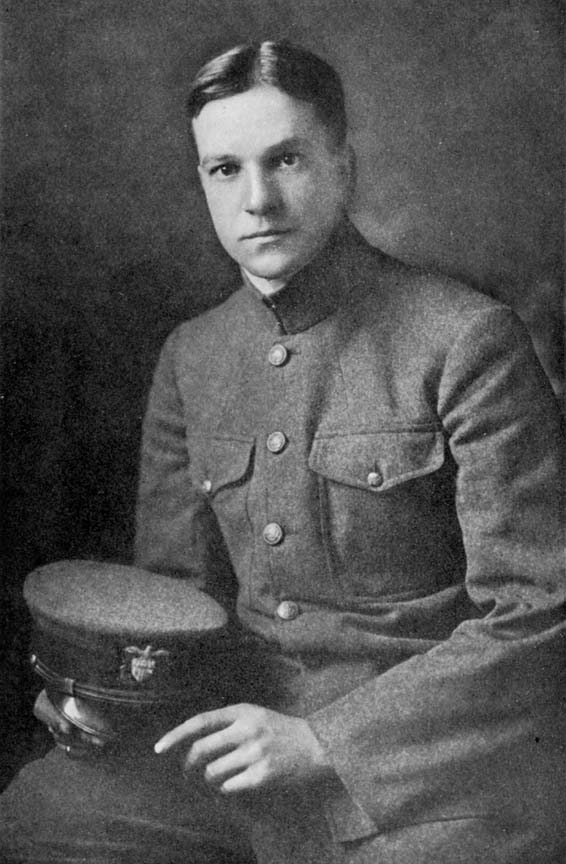
SON of Frederick and Joanna (Lane) Cate, of Weymouth, Mass.; was born in Weymouth, April 19, 1896. He graduated from Thayer Academy, Braintree, Mass., in 1916, and was there captain of the baseball team. He entered Bowdoin College with the class of 1920. At Bowdoin he played baseball, and was a member of Zeta Psi Fraternity. He trained with the Harvard R.O.T.C. for three months and enlisted in Boston in July, 1917, in the Naval Aviation Service. After a ground course at M.I.T., he was sent to Hampton Roads, Va., and thence to Pensacola, Fla. He was commissioned Ensign in the Naval Reserve Flying Corps on March 11, 1918, and had been recommended for Junior Lieutenant at the time of his death. He died of pneumonia following influenza on Oct. 9, 1918, at Pensacola.
His Squadron Commander wrote of him:
A good aviator, conservative flyer with a cool bead. Rather young in appearance but above the average in brains, industry and reliability. He has a very pleasant personality. He is a conscientious worker.
In the official report it was stated:
For some time he was a flight instructor in an N 9 Squadron, teaching elementary flying. He was taken from this duty to be made an Assistant Division Commander in a division of flying boats, and soon became a Division Commander in the F boat squadron. From this duty he was promoted to be Assistant Patrol Officer, and later to the position of Patrol Officer, which he held at the time of his death. As Patrol Officer he had full charge of all navigation training flights out into the Gulf, and of all rescue work in connection with these flights. He was also in charge of all ground instruction in Navigation. His status was commensurate with that of a Senior Squadron Commander. His classification as to type of pilot was "HS Pilot." I have in official files of the School . . . a confidential report to me from the Commander of the Squadron V. The comment made was "fine officer," and was signed by Squadron Commander, Lieut. V. F. Valdes.
I feel that I knew Laurence well, personally, and can say without hesitation or reservation that he was one of the most liked and admired officers of the Seaplane School.
Brother in Service---
Melville F. Cate, Ensign, U.S.N.R.F.
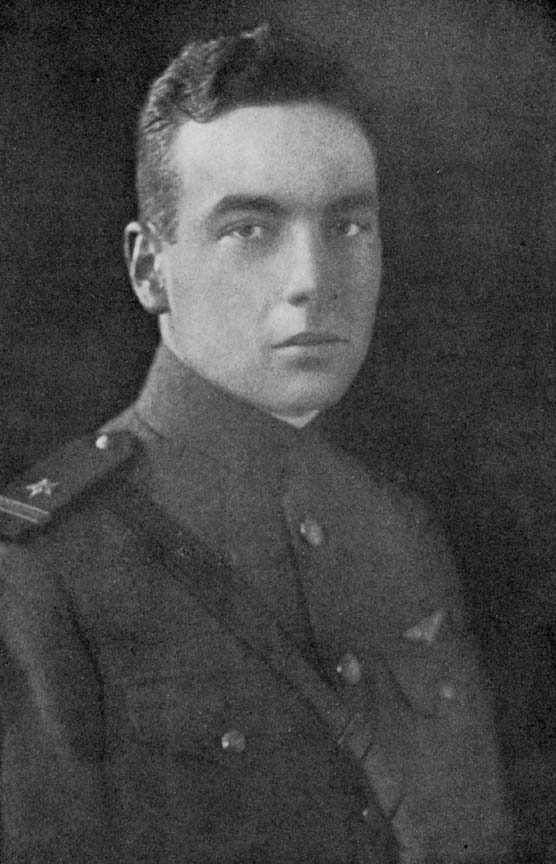
SON of Robert Jones and Harriet (FitzGerald) Clark; was born at Dedham, Mass., on Sept. 18, 1898. He was educated at the Noble and Greenough School, Boston, and at Harvard College, class of 1920.
He attended the Officers' Training Camp at Plattsburg in 1916, and the Harvard R.O.T.C. in 1917. In April, 1917, he enlisted in the Naval Reserve Flying Corps; enrolled May 9, Quartermaster, 1st class (Aviation). On June 27 he was sent to Pensacola, Fla., where he was in training for six months; there he was commissioned Ensign, U.S.N.R.F.C., Class 5, on Dec. 17, 1917.
He sailed overseas Jan. 18, 1918, and on arrival in England was assigned to duty with the Royal Naval Air Service, and for six months served at different stations on the English coast, among them, Westgate, Portland, and Felixstowe. On July 17, 1918, he was detached and ordered to Paris, where he was assigned to the U.S.N. Air Station at Brest, France; here he won the respect and confidence of his commanding officers, and he was acting as Chief Pilot of the station when he was killed, while flying in the performance of his duty, on Aug. 21, 1918. He was buried at Kerfautras Cemetery, Brest, France.
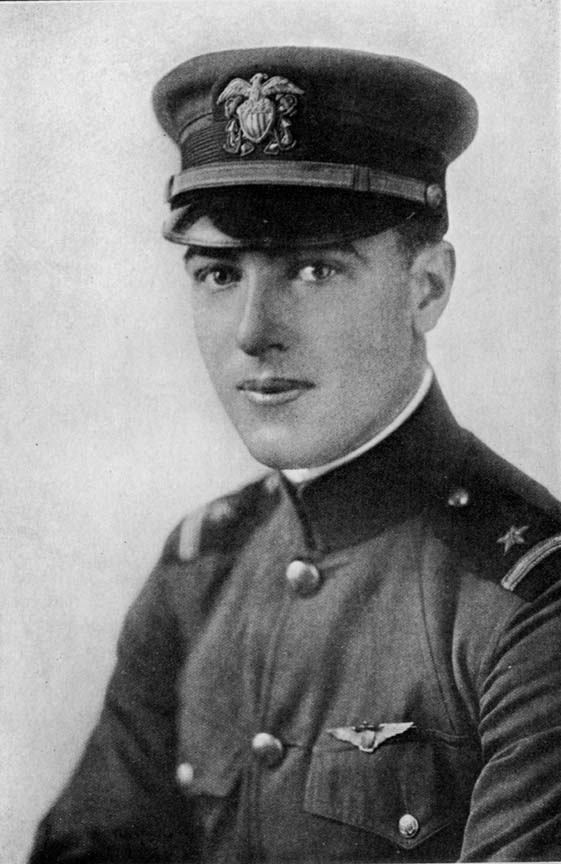
SON of Henry Floyd and Jennie (Saville) Smith; was born in Ashmont, Mass., July 28, 1893. He attended the Henry L. Pierce School, Dorchester, Mass.; Phillips Exeter Academy, and spent one year at Williams College. He graduated from Mass. Institute of Technology. He was an all-round athlete. At Phillips Exeter he was a member of Alpha Nu Fraternity, and managing editor of the Exonian in his senior year. He was a member of D.K.E. at Williams. In 1915 and 1916 he attended the Officers' Training Camps at Plattsburg.
On May 8, 1917, he left the business in which he was engaged to enlist in the Naval Reserve Corps at Newport, R.I. He trained at the M.I.T. Ground School, and after passing all tests was sent to Key West, Fla., for a twelve weeks' course in flying. He was there commissioned Ensign, the first week in April, 1918. He was then sent to Bay Shore, N.Y., as Instructor in Aviation. He was a very successful navigating aviator, and trained several hundred students from April 22 to Oct. 10. He also acted as patrol pilot for submarines. He had a narrow escape in June, 1918, when a defective engine caused him to fall into the sea while hunting submarines. he remained clinging to a wing of his plane for 24 hours without help, as passing ships suspected him to be a German decoy. When finally rescued, he was so exhausted that he could not have held on an hour longer. In Sept. Ensign Smith was stricken with influenza, but recovered in two weeks and returned to his duties as instructor. At this time he made a flight with Major Shaw, a British aviator, and performed many difficult manoeuvres. Less than three weeks later he was stricken with double pneumonia, and died after a few days' illness at Bay Shore, N.Y., on Oct. 10, 1918. He was buried at Woodlawn Cemetery, Malden, Mass.
Paternal grandfather in Service: served in the Civil War.
Great-grandfather in Service: Dr. John Sprague of Malden, surgeon in Revolutionary War.
Great-great-grandfather in Service: Jonathan Webb of Quincy, Captain in Revolutionary War.