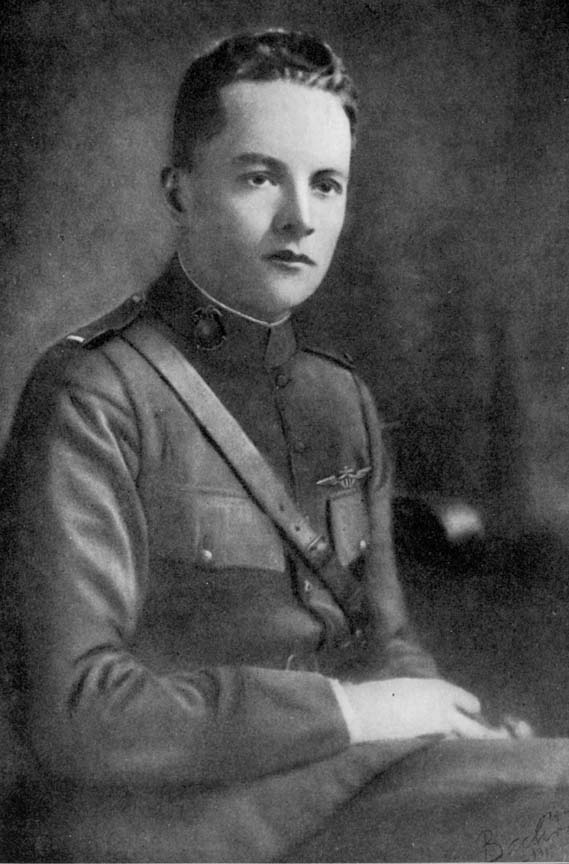
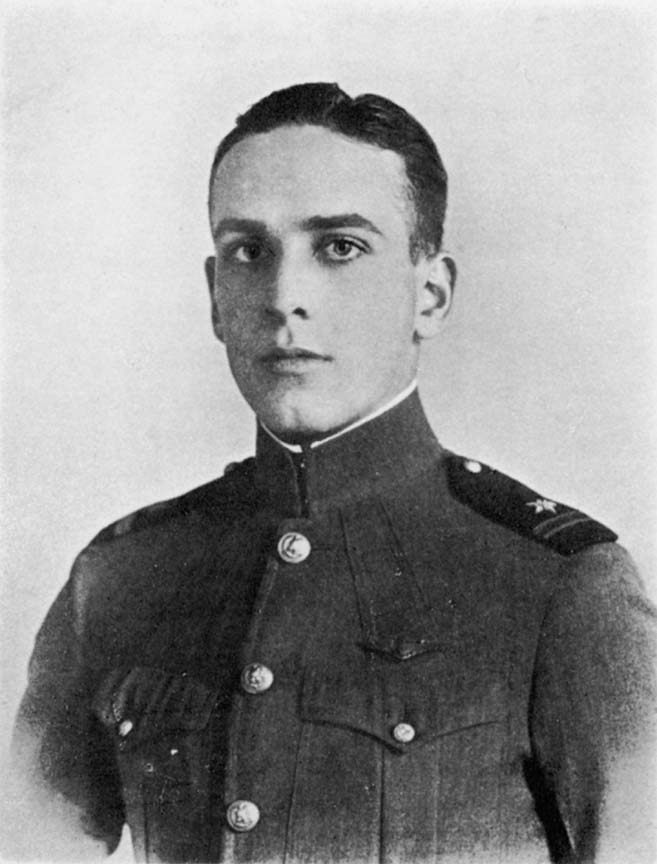
SON of Rev. Arthur Henry and Claude Houstoun (Hopkins) Wright; was born Jan. 27, 1895, at Warehouse Point, Conn. He was educated in the public schools of Newburyport, and at St. Paul's School, Garden City, N.Y.; entered Trinity College, class of 1918, where he spent two years; he was a member of the Delta Kappa Epsilon Fraternity.
On April 7, 1917, he enlisted in the U.S. Naval Reserve, and was for two months attached to the Mosquito Fleet. In June he was transferred to the U.S. Naval Aviation Force and sent in July to Canada to train with the Royal Flying Corps, at Camp Borden, Toronto, and other flying fields. He was commissioned Ensign in Nov., 1917, and, after two weeks' training at Norfolk with the seaplanes, was sent as instructor to Miami, Fla., where he was in charge of the gunnery school; in May, 1918, he was commissioned 2d Lieut, and transferred to the Marine Aviation Corps, instructing in the bombing school. He was commissioned 1st Lieut. in ,July, 1918, and sailed for overseas July 18, with the 1st Marine Aviation Force.
On Aug. 9 Lieut. Wright was sent to Squadron 18, Royal Air Force, B.E.F., where he reported for duty, with 2d Lieut. Charles A. Needham detailed as his observer. At 5 A.M. next morning he was ready to fly over the lines on a bombing-attack against the submarine docks and harbor at Ostend, which was situated at that time fifteen miles behind the Hun lines.
On Aug. 10 his record shows him to have dropped 8 25-pound bombs on the mole at Zeebrugge. He was also credited with two raids against the submarine base at Bruges, where he was under fire from one of the most powerful Hun anti-air craft batteries. On one of these raids the Squadron was attacked by Fokker scouts, whom he helped materially in beating off. He was ordered to return to the American Escadrille, on Aug. 22, to act as instructor.
In Sept. he was sent to the U.S. Naval Aircraft Base at Eastleigh, Eng., to supervise the assembling of airplanes arriving from America, and later he flew a plane across the English Channel, to the U.S. aerodrome at the front. On Oct. 7 he piloted Capt. D. C. Hanrahan, U.S.N., across the Channel to Dover, Eng., in order that Hanrahan might attend an important conference with the British authorities, and returned flying over the Channel in a heavy fog, in order that he might be back in time to participate in the first raid that Squadron 9 made against the Hun.
On Oct. 14, with the late Gunnery Serg't David F. Price, as observer, he flew one of 7 American-built airplanes, equipped with Liberty motors and American guns, in a bombing-raid against the railway junction at Thielt, Belgium. This raid destroyed the very important railway yards and seriously hindered the Hun retreat at this strategic point. In the course of this raid 12 Boche fighting-scouts attacked the 7 American planes and 3 Germans were shot down. All the American airplanes returned safely, although two were so badly disabled that they were never flown again, and one observer was seriously wounded. This was the first time that a flight of fully American-built and armored airplanes, with American-trained pilots and observers, had flown over the Flanders front.
On Oct. 17, after flying 25 miles to the rear of the German lines, he dropped 4 112-pound bombs on the important railway yards at Steenbrugge. In the afternoon of the same date a flight, led by the late Major Douglas B. Roben, again bombed Steenbrugge and, owing to better visibility, the flight was able to report direct hits.
On Oct. 18 Lieut. Wright led a raid against the retreating German troop-trains at Eecloo, Belgium, in order to destroy certain important trains in the vicinity. This was successfully accomplished as the flight reported 8 direct hits, without any loss to themselves, although Wright's machine was perforated in wings and fuselage, by machine-gun bullets from ground batteries.
On Oct. 23 Lieut. Wright was stricken with influenza and died at the British General Hospital 30, Calais, France, on Oct. 31, 1918.
On Nov. 4, 1918, he was buried with full military honors in the British Military Cemetery, Les Baracques, Calais, France.
Lieut. Wright was one of the founders of the Pursuit School of Aerial Bombing at Miami, and at the time of his death was on the eve of promotion to a captaincy.
Married, July 1, 1918, Susan March Lowell.
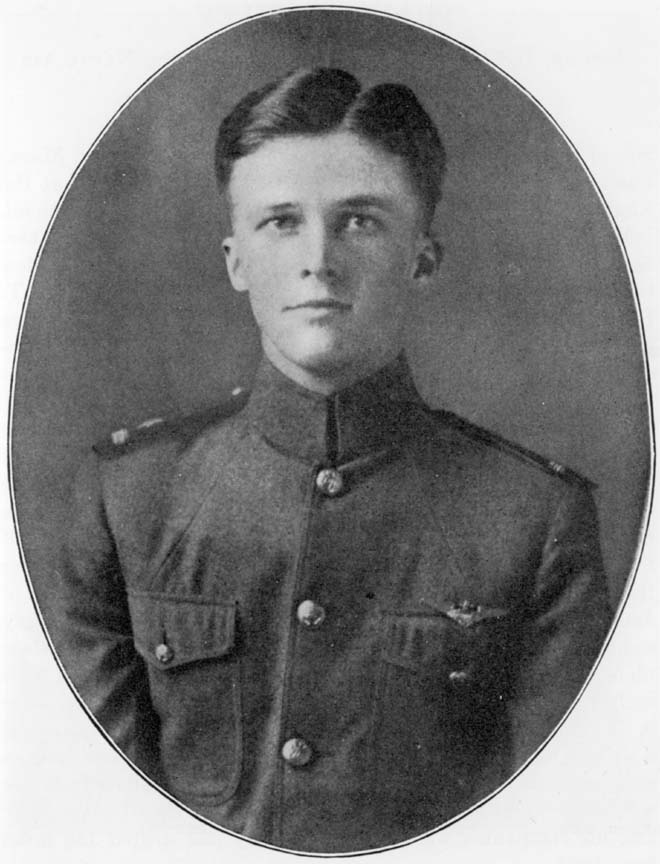
SON of Richard J. and Mary (O'Connell) Talbot; was born at South Weymouth, Mass., Jan. 6, 1897. He prepared for college at the Weymouth High and the Mercersburg preparatory schools, and entered Yale in the class of 1920. In college he played on the football, baseball, and cross-country teams in his freshman year. From June 1 to Sept. 15, 1917, he attended the DuPont Flying School, and on Oct. 15, 1917, enlisted in the U.S. Navy.
He was sent to the M.I.T. and received further training at Key West, and at Miami, Fla. He was commissioned Ensign, about April 5, 1918. In July, 1918, he went overseas attached to the Northern Bombing Squadron.
Lieut. Talbot proved a daring and efficient flyer and was the only member of his squadron who succeeded in bringing down an enemy plane. On Oct. 25, 1918, he went up to test a motor, which proved to be bad, and he crashed into a high embankment and was instantly killed, at La Fresne, France. He was buried on Oct. 31, in the British Military Cemetery at Les Baracques, Calais, France.
The following extracts are from a letter written by a fellow aviator who was Talbot's tentmate:
Our pilots were sent to a British school for a bit of practice after so long an absence from flying. Dick (Talbot) was the first from our squadron to go, leaving Sept. 15. His flying attracted so much attention there that he was allowed to take a Camel scout out, a privilege not given to the rest of our pilots. Dick finished there about the 22d, and was given our only De Haviland 4, with Liberty motor, to operate with the British. About this time they were engaged in dropping bully beef to a detachment of French troops cut off from their supply base, and he got some of that work. It was quite dangerous as the tins were dropped from under 500 feet, and the ships were exposed to a terrific machine-gun and rifle fire. It took stamina of the highest sort to stand the gruelling, but Dick enjoyed it. He used to laugh about his aerial grocery work. Then he went on high bombing with the British, bombing Ostend and Bruges from 12,000 feet. As his machine was so fast he was given the very hard task of protecting the rear of the squadron. He could dive and circle about without being out-distanced. On his first, or almost first raid, the squadron engaged in a running-fight with a superior number of Huns, and Dick with his gunner, Corporal Robinson, shot down one Boche plane, for which he was given official credit by the British, and commended by a letter from the commanding officer of the First Marine Aviation Force. After a few more raids, he was recalled to stand by until our squadron was ready.
On its first raid, Dick had motor trouble and hung about 500 feet below the squadron. After two hours the ships straggled in one by one, but Dick and Capt. Lytle were missing. Several hours later Dick came in with his plane shot very badly and his gunner missing. It developed that eleven Huns had dived on him, firing. Robinson shot one down, and his gun jammed. At that instant he received a stream of bullets through his left arm rendering it useless. While he was working with the gun Dick turned on the planes with his forward gun, but after three or four shots they jammed. Then Robinson recovering shot down a second. The third dived and shot him through the chest and stomach. Dick turned on the third with all guns useless, one of the most daring magnificent bluffs of the war. Then Robinson having fainted and fallen on the control Dick dived to within a hundred feet of the ground and started back across miles of hostile territory, with the third Hun on his tail, firing constantly. Dick's account to me was most graphic. Twisting, turning, zooming trees, he fled with every ounce of power, while above the roar of the motor he could feel the zip of the bullets as every part of the plane was struck. At every house a Boche would snipe at him with rifles, and he passed under a barrage the Huns were laying on the trenches with heavy artillery. Finally he passed over the zigzag line of trenches, saw familiar uniforms and the scout left him. Again he showed his coolness by landing at a Belgian airdrome and rushing the unconscious Robinson to a hospital, undoubtedly saving his life. The Belgian Major was very enthusiastic over his conduct, and it is understood was going to recommend both Dick and Robinson for medals for heroic conduct. Whether this will go through, I don't know.
The fatal accident happened about 1.15 the afternoon of Oct. 25. Just after lunch he went out to make a short motor test. The motor was bad, and he crashed into an earth embankment. His passenger was thrown thirty feet and the machine instantly burst into flames. But Dick did not know because death was instantaneous and painless. So passed a gallant officer, a daring flyer and a most Christian gentleman.
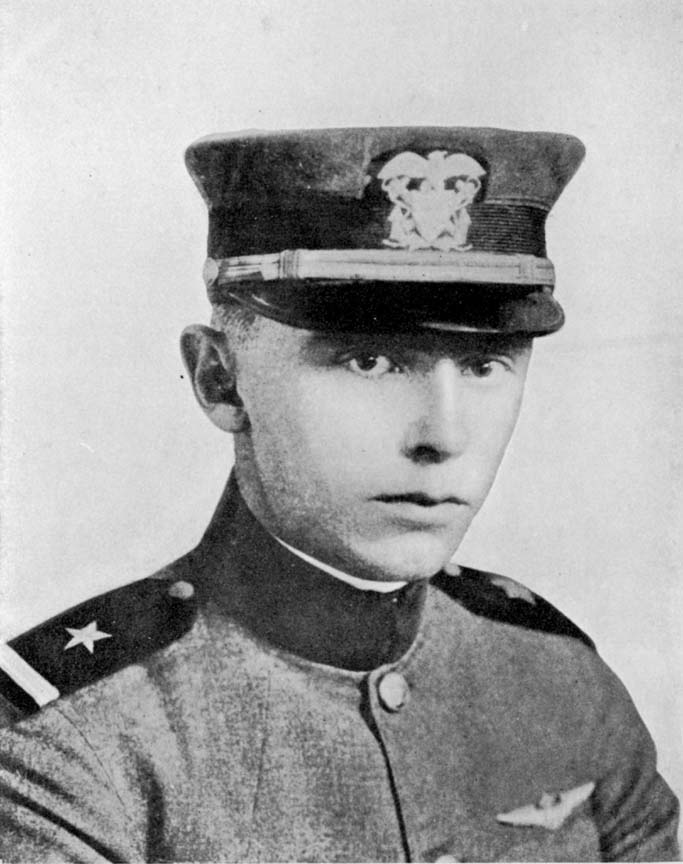
SON of Frank J. and Ellen M. (Hart) Riley of Dorchester, Mass.; was born in Boston, on Aug. 13, 1894. He was educated at the English High School in Boston, and at the Roxbury Latin School.
When war was declared, he was in the employ of the Schumaker-Santry Co. of Boston. He enlisted on July 25, 1917, at the Charlestown Navy Yard, and was assigned to the Ground School at M.I.T. He was sent from there, Jan. 19, 1918, to Key West, Fla., where he was commissioned Ensign on March 25, 1918. He was subsequently detailed to the Naval Air Station at Miami, Fla., as Instructor in Aviation.
From Miami, he and Electrician Walter P. Clark set out on Friday, June 7, 1918, in a regular U.S.N. hydroplane, in search of the German submarine which was then terrorizing the Atlantic Coast. Before they had gone 25 miles from shore, engine trouble developed and they were forced to descend, landing in the Gulf Stream. That afternoon and by turns all night, they labored over the engine, but were unable to make it work. On the afternoon of June 8, when the heavy plane showed signs of sinking, they sighted a four-masted schooner. Mounting the wings of their plane, they signalled frantically, but the schooner, thinking their craft to be a camouflaged U-boat, sped away. At dawn, June 9, sharks began to hover about the submerging plane, but at about 8 o'clock that day a Norwegian freighter came into view, and its captain made out the figures of the two men signalling from the wings. They immediately made for the plane. When Ensign Riley and his companion were picked up, they had drifted 150 miles from land.
On Oct. 12, 1918, Ensign Riley died of pneumonia, at Miami, Fla., and was buried at Calvary Cemetery in Boston. Oct. 17, 1918.
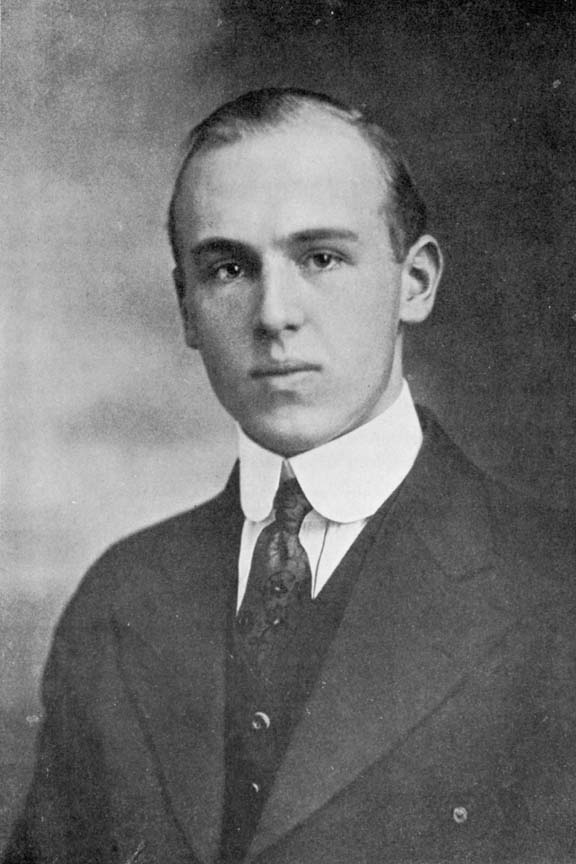
SON of Rev. William Frederick and Martha (Festner) Hope, of Meredosia, Ill.; was born in Independence, Kan., on Oct. 27, 1897.
He attended the elementary schools of Portland, Ore., and Pittsburgh, Pa. He graduated from the Central High School, Pittsburgh, with honors, after three years' work, and won the scholarship offered by the Harvard Club of Western Pennsylvania. He entered Harvard College with the class of 1919, but graduated in 1918, summa cum laude. In 1916 he was a member of the Freshman Debating Team against Yale; in 1917-18, a member of the 'Varsity Debating Team and the winner of the Interclass Debating Championship Cup. On graduation he was awarded the George B. Sohier Prize of $250 and the Bowdoin Prize of $100. He also received the John Harvard Scholarship and a Detur as a mark of high academic distinction. He was elected to Phi Beta Kappa, in Feb., 1919, four months after his death; this is believed to be the first instance of the conferring of the honor of Phi Beta Kappa posthumously.
He enlisted in the 1st Marine Aviation Corps in Boston, on June 5, 1918, and was assigned to the Ground School, M.I.T., for instruction. He was ordered to the Marine Flying Field in Miami, Fla., in Aug., 1918, where he was soon regarded as the best flyer at the field. On Oct. 22, 1918, he was killed. The accident occurred during target practice; the pilot, Paul Gering, lost control of the machine which crashed to earth, killing both men. At the time of his death, Cadet Hope was about to receive his wings as a full-fledged pilot, having been recommended for a commission as 1st Lieut. on Oct. 9, 1918. After his death he was awarded Golden Wings by custom. He was buried in Meredosia, Ill.
An extract from a letter from fellow cadet officers to Mr. Hope's father, dated Oct. 24, 1918, follows:
In the midst of the great loss come to our camp in the loss of your son, we ask to join our grief with yours .... of constant comradeship have brought a deep respect and lasting admiration ... for his sober judgment, unselfishness and fine qualities as a friend. We feel that death in an effort to win this war is the highest honor a man can attain ....
The Secretary of the Harvard Chapter of Phi Beta Kappa, in sending Mr. Hope's key to his father, wrote on March 12, 1919:
Martin's remarkable achievement in getting the summa cum laude in three years singled him out as one of the most brilliant men in the class; and after all that he had done, we felt that election to Phi Beta Kappa was the least we could do in recognition of his unusual success.
Prof. Chester Noyes Greenough, Acting Dean of Harvard College, wrote on June 2, 1919:
As you know, we give as prizes to our best scholars, books which we call "Deturs," and these books are treasured by men who receive them as one of the most valuable souvenirs of their college career. Your son, had he lived, would have received a detur, and I should have been very proud to hand it to him and to say to him that I felt confident that his future career would justify the promise of his work with us. Your son's death in the service of his country makes it impossible for me to do more than to send you the book which he has so richly earned and to try to say to you not only what I say to every recipient of a detur --- that the College is proud of his scholarship --- but also to tell you that the College feels not only pride in the success of its students, but grief and sympathy when they are cut off at the beginning of their careers.
The patriotic spirit of Martin Luther Hope is finely shown in a letter written Oct. 19, four days before his death:
I was recommended for my commission about two weeks ago; it will arrive shortly now. I was chosen as an instructor, but have gotten around the matter now. And so I am to leave with the next squadron.
Grandfather in. Service --
Frederick C. Festuer, Captain, 929th Wisconsin Regiment, fought in Civil War, and was wounded at Memphis, Tenn.

SON of Arthur and Mary (Schlesinger) Perrin; was born in Brookline, Mass., April 23, 1895. He was educated at the Country Day School, Newton, Mass., the Volkmann School, and at the Stone School, Boston. He entered Harvard College in the class of 1920. He was on the Volkmann four-oared crew, and at the Stone School, rowed stroke on the winning eight-oared crew against Cascadilla, in 1916. At Harvard, during his freshman year, he was on the crew squad until the war stopped athletics. He attended the Officers' Training Camp at Plattsburg in 1916, and trained with the Harvard R.O.T.C., 1916-17.
He enlisted in the N.R.F.C. in Boston, in April, 1917. He was sent to Pensacola, Fla., for both ground work and flying instruction, and served there as Instructor and Beach-Master for a few weeks in 1917. He was commissioned Ensign on Dec. 17, 1917.
He sailed overseas on Jan. 13, 1918, and after a week in France was ordered to England, and attached as pilot to the Royal Naval Air Service at Great Yarmouth, under the command of Capt. Samson (later Col.), D.S.O., one of the few men on whose head a price was set by the Germans. The Great Yarmouth Station sent patrols daily to the German, Dutch, and Friesian coasts, and in one night accounted for 5 Zeppelins out of 7 that attempted a raid on London. He remained at the Great Yarmouth Station through Aug., acting as a pilot for "Shorts" and "Schneider Sea-Scouts." An account of one of Lieut. Perrin's experiences follows:
One morning a flight of five "boats" started for the other side after a Zeppelin which made its customary dawn patrol down the German coast. Each flying boat carried five men, eleven machine guns, wireless set, and gasoline for ten hours. Getting off the water in the pitch dark and forming in formation is quite a stunt; but by means of flashes of light we signalled to each other, and finally got into formation, and kept it in the dark all the way across the 200-odd miles to the German coast. We reached it at dawn off Borkum Island, about the place where Germany joins Holland; below us was the English light seas fleet with a destroyer which towed a Sopwith scout on a lighter. A lighter is a barge about sixty feet long, and a Sopwith scout (called a "camel" because of its hump) is a fast land plane that is good for getting Zeps. These camels have such a powerful engine and can climb so fast that they can get off a lighter and into the air before they have travelled the length of the lighter (60 feet). Flying a camel from a lighter had only been attempted once before, and unsuccessfully at that.
We skirted the German coast, keeping in close formation, at an altitude of 3000 feet. Suddenly I saw the Zeppelin at about 17,000 feet coming down the coast toward us, about three miles off the German coast. We signalled the find to the leading boat, dived in formation down to the water so as to be invisible from the "Zep," tore back to the destroyer and signalled it. At once the camel, with Flight Lieut. Culley as pilot, took off the lighter, and followed us back up the coast toward the "Zep" until we got in sight of it. Before the camel left us, we had to drive off a flight of German planes which were attacking it; the camel was helpless because it carried only explosive ammunition for the "Zep" instead of bullets. Although we successfully protected the camel and drove off the German planes, we knew that we did not have much time, for they were sure to be back in large numbers as soon as the vanquished machines spread the news. Suddenly we picked up a German S.O.S. from the "Zep," and then it burst into smoke and fell.
It was risky to stay around the German coast any longer, for we expected an overpowering number of enemy planes to come out after us at any second; but we stayed and were successful in finding the camel and conducting it back to the destroyer. The original orders were to turn for home as soon as the "Zep" had been shot down; the camel was to fly south, and the pilot to intern himself in Holland after destroying the machine. This would have meant that the Allies would have lost his services for the rest of the war. We met him on the way to Holland to carry out his orders, and took him to his destroyer. Then Flight Lieut. Culley made a stall landing with his land plane on the water alongside the English destroyer, which quickly got two small boats under the wings of the camel before it could sink, and the whole thing was hoisted aboard. We all got home safely, feeling satisfied at shooting down a "Zep" under the very noses of the Huns.
After eight months' work at Great Yarmouth, Ensign Perrin was transferred to Felixstowe, where he flew "boats." He was subsequently returned to the American command, and stationed at Lough Foyle, Ireland. He was commissioned Lieut. (j.g.) on Oct. 1, 1918.
Lieut. Perrin was placed on inactive service on Jan. 13, 1919, at the U.S. Naval Air Station, Bay Shore, New York.
Brother in Service ---
Hugh Perrin (Harvard R.O.T.C.), seaman, U.S.N.R. (Training for Naval Aviation at M.I.T. in the Naval Unit, when the Armistice was signed.)

SON of George Francis and Margaret (Cary) Pero, of Indian Orchard, Mass.; was born in Springfield, Mass., Jan. 14, 1896. He was educated at Springfield High School, and Mass. Institute of Technology, class of 1919. He received class honors during his four years at high school.
He left M.I.T. in his second year, to enlist in the Naval Reserve, May 7, 1917. He attended the 1st class of Naval Aviators at M.I.T.; then went to the Naval Air Station, Norfolk, Va.; and later to the Naval Air Station, Pensacola, Fla., where he completed his training and was commissioned Ensign, U.S.N.A.F., on Feb. 4, 1918. He was stationed at Rockaway Beach, N.Y., as instructor, and placed on patrol duty; and it was while he was engaged in this service that Ensign Pero met his death, on Aug. 24, 1918.
Two seaplanes were out on patrol duty in a heavy fog. One was commanded by Ensign Pero, the other by Ensign H. Stevens, each with two machinists. According to the pilot of the other plane, it was only Ensign Pero's superior handling of his machine that prevented the loss of both crews in the collision that ensued. As soon as the approaching plane broke through the fog in front of him, Ensign Pero attempted a dive. The front end of his plane cleared the approaching one, but the tail was ripped off and all control of the plane was lost. It was seen to go into a nose-spin and disappear, falling straight down. The other plane circled over the spot for nearly an hour, but found no trace of any of the crew, three in all. Mine-sweepers and patrol vessels searched the vicinity for the missing men, but to no avail. The second seaplane landed safely on the water and aided in the unsuccessful search.
The accident took place 12 miles southeast of Fire Island Lightship, at about seven in the evening, and at an altitude of about 3000 feet.
Brother in Service
Joseph H. Pero, U.S.N.A.R.F., enlisted May, 1917; served in France as chief printer in the Photographic Section.

SON of Mr. and Mrs. Dean Edmund Lochman; was born in Salem, Mass., Nov. 10, 1897. He attended the Lincoln, Bowditch Grammar, and Salem High School, graduating from the latter in 1916. Early in 1916 he joined the Salem Cadets, who were then reorganizing into artillery.
On June 9.5, just before graduating from high school, he was sent with the artillery to the Mexican Border. He returned from Mexico in Nov., and entered business with the Salem Electric Lighting Co. When the U.S. entered the war, he was interested in Naval Aviation, and applied for a discharge from the Army in order to enter the Navy. He passed his physical examinations and started a three months' preliminary course at M.I.T. Ground School. In Oct., 1917, he was sent to Pensacola, Fla., to finish his work; and was commissioned Ensign in Dec., 1917. On Feb. 16 he was ordered overseas, and was stationed first in England, then at a U.S. Naval Base on the south coast of Ireland, where he remained until the signing of the Armistice. He returned home on Dec. 28, 1918.
Lochman was anxious to continue his Aviation work. On Jan. 26, 1919, he received orders to leave at once for New York, to prepare to go to Coco Solo, in the Panama Canal Zone. He was married that same evening to Miss Evelyn Bowker, of Salem, and together they went to New York. They sailed for Panama on Feb. 6, 1919. Upon arrival he was commissioned Lieut. (j.g.), which rank he should have received in the preceding Oct. while in England, but for some reason the commission was delayed.
On May 19, 1919, Lieut. Lochman was killed in a seaplane accident at Coco Solo, Panama. He is buried in Harmony Grove Cemetery, Salem, Mass.
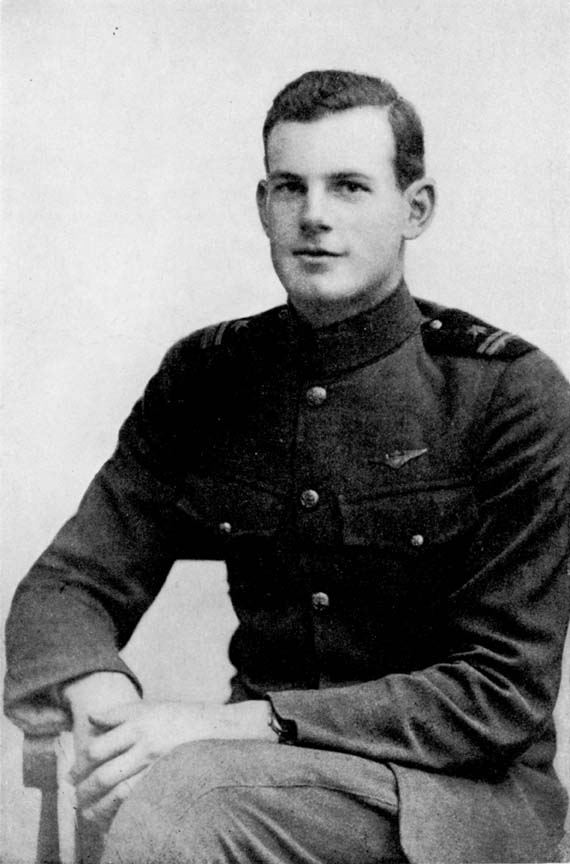
SON of George C. and Mary Franklin (Wilson) Cutler; was born in Brookline, Mass., NOV. 3, 1889. He was educated at Volkmann's School, Brookline, and at Harvard College, graduating in 1911. He engaged in all kinds of athletics --- track, football, baseball, golf, and basket-ball. He was captain of the 'Varsity crew in 1911. In 1914 he was stroke of the Union Boat Club crew at Henley, Eng.
He acted as a radio operator in a naval cruise (P.S. No. 8), in Sept., 1916; and was first attached to the submarine chasers at Newport, RI. On March 21, 1917, he enlisted in the U.S.N.R.F., and served on Submarine Patrol No. 56, until Sept. 9. He was relieved and transferred to Naval Aviation Service, Sept. 15, 1917. In Oct. and Nov., he trained at the U.S.N.A. Station, M.I.T., and during the last four weeks was appointed Squadron Commander. In Dec. and Jan., he was attached to the Naval Air Station in Hampton Roads, Va. For the next three months he was at the Naval Air Station at Pensacola, Fla.; and was commissioned Ensign on March 15, 1918. At about this time he was appointed aide to Com. Ballinger. He returned to Hampton Roads for April and May, and was commissioned Lieut. (j.g.) on May 30, 1918. He sailed overseas and was stationed at U.S.N. Air Station, Killingholme, Eng., from June to Dec., 1918. Commissioned, Lieut. Nov., 1918.
In a flight over the North Sea on July 19, 1918, in Ensign Jay Scheffelin's plane, Lieut. Cutler dropped a bomb which destroyed the German U-boat 110, with 69 of its crew. He was appointed Senior Squadron Commander at Killingholme Station, in Oct., 1918. Returning to America, Lieut. Cutler was assigned to inactive duty on Jan. 15, 1919, at Boston.
Married, on Dec. 15, 1912, Leslie Bradley, of Boston.
Brothers in Service --
John W. Cutler, Major, U.S.A., Ordnance.
Eliot C. Cutler, Major, U.S.A., Medical.
George C. Cutler, Jr., Lieut. (j.g.), U.S.N.R.F., Destroyer Flotilla.
Robert B. Cutler, Capt., U.S.A., Infantry.

SON of Rev. John M. and Helen B. Wilson, of Lexington, Mass.; was born at Hudson, Mass., July 7, 1893. He was educated in the public schools of Fall River and Lexington, Mass.; at Phillips Exeter Academy, and at the Browne and Nichols School, Cambridge. He graduated from the Buildings Course, Lowell Institute School for Industrial Foremen.
He attended the 1st Plattsburg Camp in 1916. On May 28, 1917, he enlisted in the 14th Regulars, Railway Engineers, at Boston. He was assigned to Camp Rockingham, N.H., for training the latter part of June. On July 9, 1917, he was appointed Corporal, and was honorably discharged on July 24, to be enrolled in U.S.N.R.F. for Aviation Service. On Oct. 28 he was called for instruction at M.I.T. School of Naval Aeronautics. On Jan. 20, 1918, he was sent to Pensacola, Fla., for air training, and was assigned to Squadron II, night-bombers. After qualifying as a naval aviator, he acted as Instructor in Elementary Flying. He was commissioned Ensign on June 4, 1918, and appointed Instructor in H-boats and Navigation Pilot. He later became Chief Instructor in Squadron VI, Naval Air Station, Pensacola.
Ensign Wilson made successful experimental flights in the Gulf of Mexico, besides his routine work as Aviation Instructor. He was chosen as one of the pilots to fly from Pensacola to Cuba to join the Atlantic Fleet at Guantanamo. This flight began Feb. 6, 1919, with a journey to Tampa, Fla., and the second part was done on Feb. 8, from Tampa to Miami. From Miami on Feb. 13 the planes flew across to Sagua la Grande, on the north central shore of Cuba; and the next day to Nuevitas, also on the north shore of the island. On Saturday, Feb. 15, they made the last part of the journey around the east point of Cuba to Guantanamo Bay. The planes were heavily loaded with extra propellers, spare parts, and baggage, and each carried two pilots and two men.
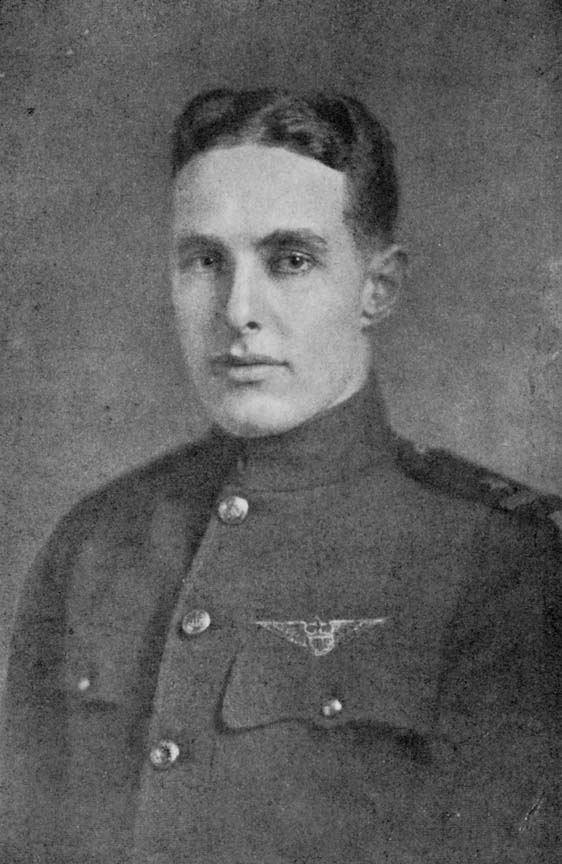
SON of George W. and Ida May (Brooks) Chadwick; was born in Boston, Dec. 2, 1894. He was educated at the Noble and Greenough School, and at Harvard College, class of 1917. At school he was a member of the crew in 1910-11-12, and of the Noble track team, 1912-13. At college he was on the freshman crew and swimming team.
He left business to enlist at Boston, in the N.R.F.C., on June 11, 1917. He was sent at once with the first class to Akron, O., for training in dirigible work. He remained there from June 11, 1917, to Jan. 11, 1918. He was commissioned Ensign on Nov. 1, 1917, and dirigible pilot, in charge of the second class of cadets. From Jan. 11 to June 11, 1918, he was stationed at Key West, Fla., as Chief Dirigible Officer, to oversee the building and starting of the dirigible department of that station. He performed this duty practically alone, as he was the only Dirigible Officer. Within two months regular patrols were in operation up and down the Florida Keys, and to Cuba.
On June 11, 1918, he was transferred to Montauk, N.Y., Naval Air Station; where he remained for five months as Dirigible Officer and Navigating Officer, on patrol work until Dec. 11, 1918. He was commissioned Lieut. (j.g.), on Oct. 1, 1918. Lieut. Chadwick was later ordered to Cape May Naval Air Station, where he was released from active service on Jan. 8, 1919.
Married, July 1, 1919, Elizabeth Young, of Boston.
Brother in Service ---
Theodore Chadwick, Capt., 102d F.A., 26th Division, A.E.F.

SON of Frank and Anna C. (Duckworth) Hartley, of Belmont, Mass.; was born in Webster, Mass., July 9, 1895. He was educated at Phillips Andover Academy, and at the Yale Scientific School, graduating in 1917. He enlisted with the Naval Reserve Force, at Newport, R.I., and was transferred to Aviation in Aug., 1917. He was trained at M.I.T. Ground School in Jan., 1918, and sent from there to Pensacola, Fla., on April 1. He was commissioned Ensign on June 12, 1918, and was stationed at Rockaway, N.Y. He sailed overseas on July 31, 1918. In France he was stationed at Moutchic-Lacanau, and later at L'Aber Vrach, where he was trained as a pilot and in night-bombing, for two months. Later he engaged in night-bombing expeditions.
The day before the Armistice was signed, he had a narrow escape from death when the strut of his plane broke in crossing the English Channel, and he and his companion were thrown into the water. Their wireless was put out of commission and messages telling of their position were sent out by carrier pigeons. After battling for seven hours with the waves, they were rescued by a submarine sent out in search of them.
It is of interest to note that Ensign Hartley reports the great appreciation of what the Americans have done for them, which has been shown by the inhabitants of L'Aber Vrach. Although they have but the scantiest means, they have erected a monument to the Americans who lost their lives, and have issued a little history of their exploits for the native children to remember.
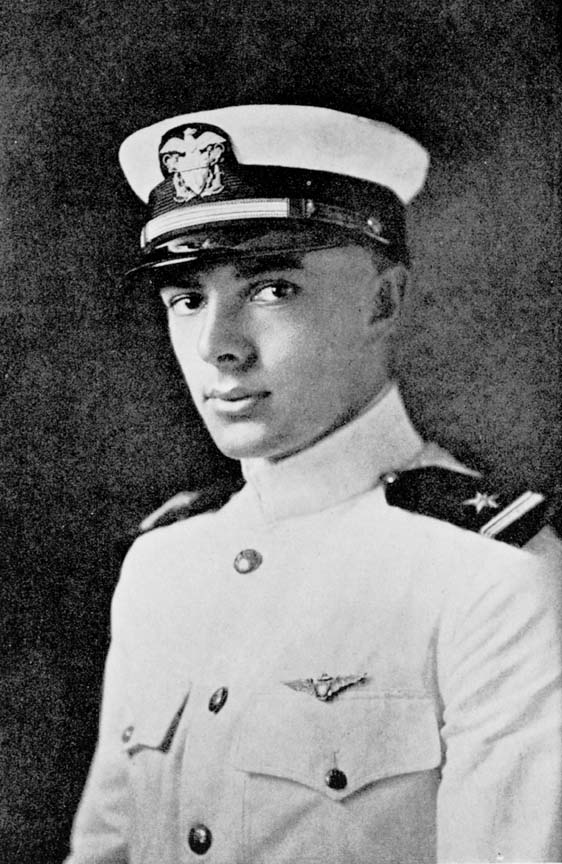
SON of Joseph H. and Mabel (Morton) Goodspeed, of Boston, Mass.; was born in Boston on Feb. 3, 1895. He fitted for college at the Fay School, Southboro, Mass., and at St. George's School, Newport, RI. At St. George's School he was captain of the baseball and basket-ball teams, and received the athletic prize. He entered Princeton University with the class of 1918, and was halfback on the football team during his freshman year.
He left college to enlist in the U.S.N.R.F. at Newport, R.I., on March 4, 1917. He served on the Coast Patrol, U.S.S. Celeritas, off Newport, R.I., until Sept., 1917. On Sept. 13 he was transferred to the Aviation Corps, and on Oct. 15 ordered to the Ground School, M.I.T., for instruction. On graduating, March 18, 1918, he was sent to the U.S. Naval Air Station at Pensacola, Fla., where he reported for duty March 2, 1918. He was commissioned Ensign on July 3, 1918, and designated as Naval Aviator and Instructor. On Aug. 17, 1918, he was appointed Unit Commander in charge of Camp Sauftley, Santa Rosa Island, and of the Gunnery School of Instruction there. He was commissioned Lieut. (j.g.) on Jan. 1, 1919. He was relieved of active duty on Jan. 22.
Brother in Service---
Joseph H. Goodspeed, Jr., Seaman, U.S.N.R.F.
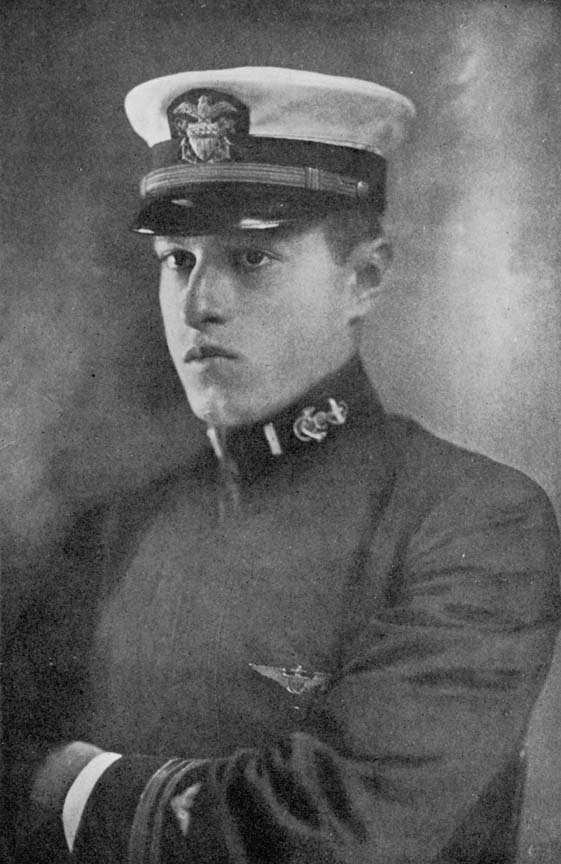
SON of George and Alice (Hastings) Crompton; was born in Worcester, Mass., May 7, 1897. He attended the Ridgefield School, and Milton Academy, graduating, 1916; entered Harvard College, class of 1920, completing his freshman year. At Milton he played on the football and tennis teams. At Harvard he was a member of the soccer team. He trained with the Harvard R.O.T.C. in 1916-17, and enlisted on June 8, 1917. He was ordered at once to the Naval Aviation Detachment at Akron, O., where he was trained in flying. He ranked as Naval Aviator from Sept. 21, 1917 (N.A. No. 100). On Oct. 13 he was sent to N.A. Station at Montauk, N.Y., where he was on duty patrolling in dirigibles. He was commissioned Ensign, U.S.N.R.F.C., Nov. 1, 1917, and Lieut. (j.g.) March 23, 1918.
Lieut. Crompton was ordered to Rockaway, N.Y., on June 4, and put in charge of dirigibles there from June 28 until Dec. 23. He was promoted to Lieut. on Oct. 1, 1918. On Sept. 18, 1918, he flew 600 miles in a dirigible across the States of Ohio, Pennsylvania, and New York, making the record cross-country dirigible flight for this country. He was also the first to successfully launch an airplane in air from a dirigible.
He was placed on the inactive list of the U.S.N.R.F. on Dec. 23, 1918, at Rockaway Beach, N.Y.

SON of Charles E. and Mary Elizabeth (O'Neill) Hodges; was born in Brookline, Mass., Nov. 29, 1897. He was educated at the Country Day School, and at Harvard College, class of 1919.
He attended the Plattsburg Training Camp, in 1915 and Harvard R.O.T.C. He enlisted on July 2, 1917, at Boston, and attended the Ground School, M.I.T., from Oct. 1 to Dec. 1; Naval Air Station, Hampton Roads, Va.; and N.A.S. Pensacola, Fla. (seaplanes). He was commissioned Ensign on Feb. 27, 1918, and sailed overseas on March 29, 1918. He trained at N.A.S. Moutchic-Lacanau, U.S. Army Bombing School, Clermont-Ferrand, Pilot's Pool, R.A.F., south of Calais. On July 18 he was attached to the 218th Squadron, R.A.F., near Calais, for active service. In Sept. he was transferred to the 5th Squadron Marines, U.S. Naval Region Base, Eastleigh, Eng., Headquarters of the Northern Bombing Group, U.S.N.A.F., where he remained until the Armistice. He was placed on inactive service list on Dec. 29, 1918, at Hampton Roads, Va.
From an account of his first bombing-raid, published in the Harvard Bulletin:
I went on my first raid yesterday, and for a first experience it was a knock-out. I dropped my bombs on a big city, while Archie put shell bursts all around me. I could n't keep up with the formation, got about 200 yards behind, and then the shell bursts stopped; and I took a look behind right away, and there was my observer, looking ahead instead of behind as he should have done, and five nice little scouts with black crosses on 'em about 300 yards away, behind my tail. If that observer could have been consumed by the heat of swear words he'd have been dead by now. Then he guessed from my hitting him that there was something wrong, turned around and began to shoot. I devoted my energies to getting all the speed I could, swearing worse than a trooper, and listening to the whistle of German steel. Then I took another look at the battle just in time to see one Hun stick his nose up in the air and go spinning down, and the rest turn around and go home. (One of the other members of the formation claimed the Hun, but if any one got him, my observer did; at any rate, it was n't confirmed.) Then Archie started again, sending up shrapnel and high-explosives, and a piece of shrapnel hit my tail. We all got safely home. I had about five bullet holes and a piece of shrapnel in the machine. It was my maiden-trip and also the machine's, and both a bit worse for it.
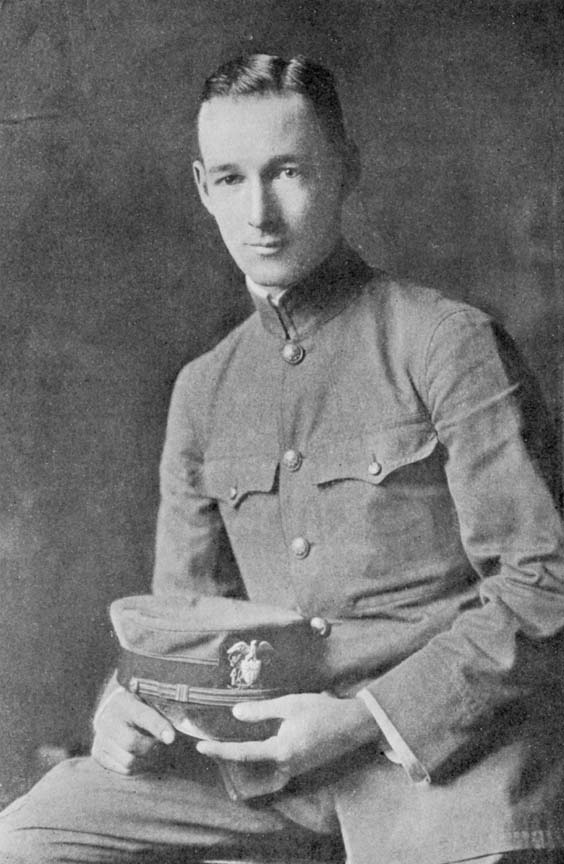
SON of Enoch Case and Emma (Haff) Adams, of West Newton, Mass.; was born at Newburyport, Mass., June 19, 1893. He was prepared for college at the Newton High School, of which his father is Head-Master. He graduated from Harvard College, class of 1914. During 1916-17 he taught English in the Gilman Country Day School, Roland Park, Md.
In June, 1917, he enlisted in Naval Aviation; and in Aug. was assigned to the M.I.T. Ground School, after which he was taught practical aviation at Pensacola, Fla., in charge of Flight B. He was commissioned Ensign at Pensacola in Jan., 1918. Ensign Adams then trained in aerial gunnery at Fort Worth, Tex after which he was sent to Hampton Roads, Va., for work in large hydroplanes.
On account of his proficiency as an aviator, but much to his own regret, he was then detailed to teach Aviation at Bay Shore, N.Y., where he remained until flying at that station was suspended on account of the cold weather. He was then sent to Brunswick, Ga., where he remained but a short time, being detailed for office work in the Naval Operations Department, at Washington, D.C. Early in the spring of 1919 he was again transferred to Hampton Roads, where he is now in the experiment squadron of aviation.
Shortly after his return to Hampton Roads, Ensign Adams was enrolled in the Regular Navy.
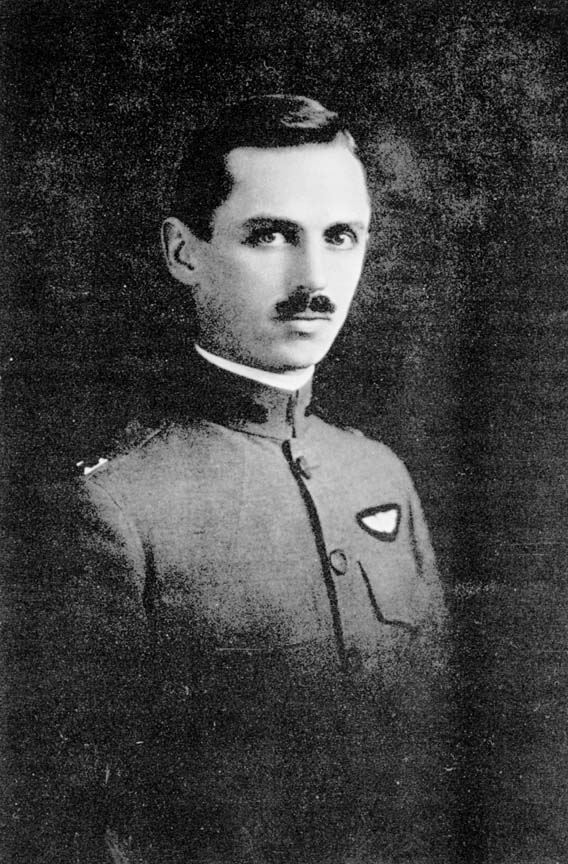
SON of Charles B. and Lily C. Amory; was born in Boston, Mass., March 28, 1887. He was educated at Milton Academy, and at Harvard College, A.B. 1910. Prior to the war he served three years in Troop B, 1st Squad, M.V.M., 1908 to 1911.
He enlisted at Newport News, Va., on May 3, 1917, and had preliminary training at the M.I.T. Ground School; flying training at Newport News, Va., and Mineola, N.Y. He was on duty at the School of Military Aeronautics, Austin, Tex.; Kelly Field, San Antonio, Tex.; and at Office of Director of Military Aeronautics, Washington, D.C. He was commissioned Capt., Sept., 1917; Major, Oct. 1918. He was honorably discharged at Washington, D.C., on Jan. 6, 1919.
Brothers in Service ---
Charles B. Amory, Lieut.-Col. 26th Div., A.E.F.
John Austin Amory, Capt. (Chemical Warfare Service), 3d Div., A.E.F.
Father in Service ---
Charles B. Amory, Major in Mass. Volunteers in the Civil War.

SON of Charles N. and Elizabeth A. (Waterhouse) Chevalier, of Medford, Mass.; was born Jan. 31, 1887, at Providence, R.I. He was educated at Ogdensbnrg Academy, N.Y., Medford High School, class of 1904; Harvard College, class of 1908, B.A., A.M. He lived for nine years in the Far East and travelled extensively. Was vice-captain of the Shanghai Rowing Club, Shanghai, China. For three years he served in the American Company, Shanghai, Volunteer Corps, Shanghai, China. He served through the Chinese Rebellion of 1913, and was honorably discharged in 1916, with the rank of Corporal. From Shanghai he returned to enlist in the S.E.R.C. at Cambridge, Mass., on Aug. 31, 1917. He attended the Ground School, M.I.T., from Sept. 13 to Nov. 10, 1917. He sailed overseas Nov. 27, 1917, as an enlisted man, flying cadet. In April, 1918, he took a machine-gun course at First Corps School, Gondrecourt. He had flying training also with the French Army at École de Voves, and was breveted as military pilot, June 24, 1918. (Farman planes). He was commissioned 2d Lieut. A.S.A., U.S.A., June 10, 1918. From July 1 to Oct. 1, 1918, he was Commanding Officer of American Aviation Detachment, École d'Avord, advanced flying training; transferred to Sopwith planes, followed by chasse training on Nieuport planes. From Oct. 1 to Oct. 7, 1918, he had American pursuit training at Issoudun. From Oct. 19 to Dec. 8, 1918, he was Commanding Officer at Aviation Instruction Centre, Cazaux, the U.S. Camp attached to the French School of Aerial Gunnery. On Nov. 1, 1918, he was commissioned 1st Lieut., A.S. On Feb. 3, 1919, he was honorably discharged at the Air Service Dépôt, Garden City, N.Y.
Brothers in Service
Elmer Harold Frye Chevalier, Private 21st U.S. Infantry; died in Service during Spanish-American War.
Godfrey de Courcelles Chevalier, Lieut.-Com., U.S.N.A.S.

SON of Charles N. and Elizabeth A. (Waterhouse) Chevalier, of Medford, Mass.; was born March 7, 1889, at Providence, R.I. He was educated at U.S. Naval Academy, and entered U.S. Service at Annapolis on June 28, 1906.
He entered U.S. Naval Aviation Service in 1912, and flew at Annapolis, Pensacola, Cuba, Vera Cruz, and elsewhere; in France at Tours, Avord, Pau, and Cazaux. He was Commanding Officer of U.S. Naval Air Station at Dunkirk, Seaplane Base, in 1917 and 1918. He was attached to the U.S. Naval Northern Bombing Group, and had special Aviation duty. He was commissioned Lieut. Commander in July, 1918. He served as Commanding Officer, Grand Fleet; U.S. Naval Aviation Repair Base, Eastleigh, Eng.
On March 9, 1919, Lieut. -Commander Chevalier was awarded the Croix de Guerre, by the French Government:
For establishing the first seaplane base in France, and maintaining a high degree of efficiency and military valor in spite of numerous losses and frequent bombardments.
The Cross of the Legion of Honor was also awarded him, on April 9, 1919.
Married, June 14, 1919, Marguerite Jackson.
Brothers in Service
Elmer Harold Frye Chevalier, Private, 21st Infantry; died in 1899, aged 20, on board the U.S. Transport Hancock, en route for the Philippines, during the Spanish-American War.
John Bayard Chevalier, 1st Lieut., U.S. Air Service, A.E.F.

SON of William O. and Mary (Moseley) Taylor; was born in Boston, Mass., Jan. 30, 1895. He was educated at the Noble and Greenough School, Boston, at Phillips Andover Academy, and at Harvard College, class of 1918. He was an all-round athlete. At Noble and Grcenough he played on the football team two years; track two years; crew two years, and was captain the last year. At Andover he was on the football, wrestling, hockey, and track teams. he was a member of the Harvard freshman crew; and played on the 'Varsity football team, and was on the crew in 1916.
On April 19, 1917, he enlisted in U.S.N.H.F.C., at Washington, D.C. He trained at Newport News, Va., and at the Naval Base, Jamestown, Va. He was commissioned Ensign Oct. 26, 1917. Exactly a month later he sailed for France. He trained near Bordeaux until Feb., 1918. He was stationed at Naval Base, Dunkirk, France, from Feb. 24 to May 10, and was commissioned Lieut. (j.g.) on March 28, 1918. Lieut. Taylor spent 12 weeks of the summer at Stonehenge, Eng., taking a course in night-bombing. In Aug. he was stationed at St.-Inglevert, France, with the Northern Bombing Group, U.S.N. During the last weeks of the war he served with the British 214th Squadron, R.A.F., running a Handley-Page bombing-machine, and seeing active service on sea and land. Lieut. Taylor was put on the reserve list in Jan., 1919, at Naval Base, Norfolk, Va.
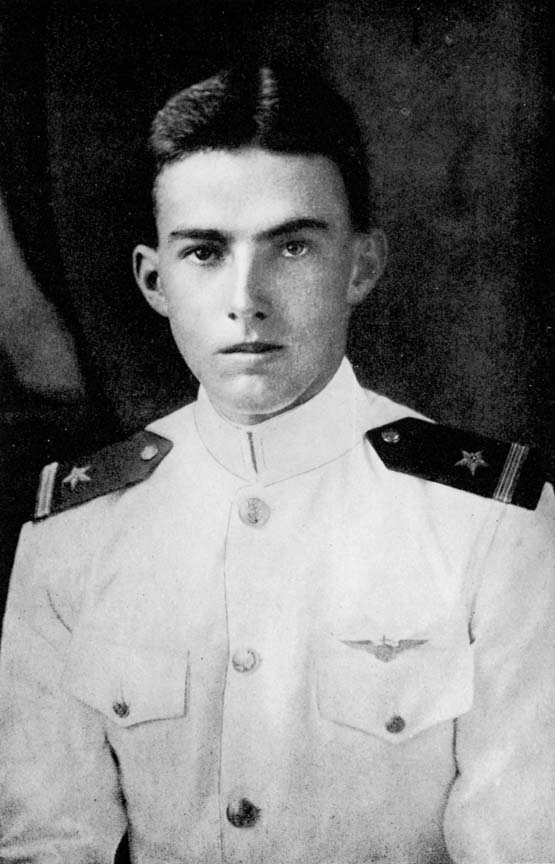
SON of Charles R. and Nellie E. (Cumner) Talbot, of Brookline, Mass.; was born in Lowell, Mass., June 11, 1896. He was educated at the Brookline High School, Stone School, class of 1915, and at Harvard College, class of 1919.
He enlisted in U.S.N.R.F. on April 20, 1917, at Charlestown, Mass. On Sept. 7, 1917, he reported at Naval Air Station, Pensacola, Fla., where he qualified as Fireman, 3d Class (A). On Nov. 23, 1917, he was ordered to M.I.T. Ground School, rating, Machine Mate, 2d Class (A). On Jan. 1, 1918, he received the rating of Chief Quartermaster (A). On Feb. 16 he reported to Naval Air Station, Pensacola, Fla., for flight instruction. On June 1, 1918, he qualified as Naval Aviator, and was commissioned Ensign on June 1, 1918.
Ensign Talbot was made Instructor in Advanced Boat Seaplane Flying, with Squadron V, June 14, 1918. He was appointed Chief Flight Instructor of Squadron V on Sept. 1, 1918, and commissioned Lieut. (j.g.) on Oct. 1, 1918. On Oct. 4, 1918, he was made Division Commander, Squadron V, Division A.
Lieut. Talbot received his inactive duty papers (ordered home) on March 7, 1919. His cruise expires April 20, 1921.
Brother in Service
Cumner Talbot, U.S. Army.

SON of T. Harvey and Mary F. (Berry) Ryan, of Rio de Janeiro, Brazil; was born in Charlestown, Mass., April, 28, 1895. He was educated in Brazil, at the Somerville High School, class of 1914, and for three years at Tufts College, to which he returned after his discharge from the Service. He was class marshal, president of the Sword and Shield and Ivy (class honorary societies), and a member of Sigma Tan Alpha Fraternity at Tufts College.
He trained with the Tufts R.O.T.C. on May 24, 1917, he enlisted at Boston with the First Naval Aviation Detachment at the M.I.T. Ground School. On Aug. 25, 1917, he reported to the U.S.N.A.S., Hampton Roads, Va., for flying instruction. Here he had much experience in motor and seaplane construction. He was detached on Jan. 6, 1918, and sent to the Naval Aviation School, Pensacola, Fla., for final instruction in flying. He was commissioned Ensign on Feb. 19, 1918, and was detailed as Instructor at Pensacola, until receipt of orders for overseas service on March 12, 1918.
In France he was stationed at Moutchic-Lacanau from April 29 to Aug. 4, 1918, completing his course in ordnance training and bombing. He was ordered to active duty at Le Croisic, Loire Inférieure, where he was Chief Pilot, Chief Censor, and served on Court Martial and Survey Boards. He had a number of narrow escapes while training and in service. He fell once into the Bay, but escaped injury. He has had approximately 240 hours flying time, five hours in the air being his longest period for any continuous flight. His active service included convoy and patrol duty, flying 250 to 300 miles off the French coast. He was commissioned Lieut. (j.g.) on Oct. 1, 1918. After the Armistice he returned to America. He was placed on inactive duty on March 16, 1919, at Hampton Roads, Va.
Brother in Service ---
Ernest T. Ryan, U.S.N.R.F.

SON of John M. and Grace Meade (Potter) Delano, of Newton, Mass.; was born at Boston, June 23, 1896. He attended Milton Academy, and graduated from Harvard College, in 1918. He was for two years on the 'Varsity baseball squad. He enlisted, April 24, 1917, and was assigned to active duty June 1, at the U.S. Naval Air Station at Akron, Ohio. He was commissioned Ensign, Oct. 4, 1917, sailed overseas on Nov. 13, and was stationed at the U.S. N.A.S., Paimbœuf, France, for eleven months, and at the U.S. N.A.S.. Guipavas, for four months. On March 23, 1918, he was commissioned Lieut. (j.g.), and on Oct. 1, 1918, Lieut. He received inactive duty orders, March 2, 1919. Lieut. Delano was cited by the French Minister of the Marine, and received a letter of commendation from the U.S. Navy Department, for making a flight of twenty-four hours and forty minutes.
Married, Oct. 2, 1919, Hazel Holmes.
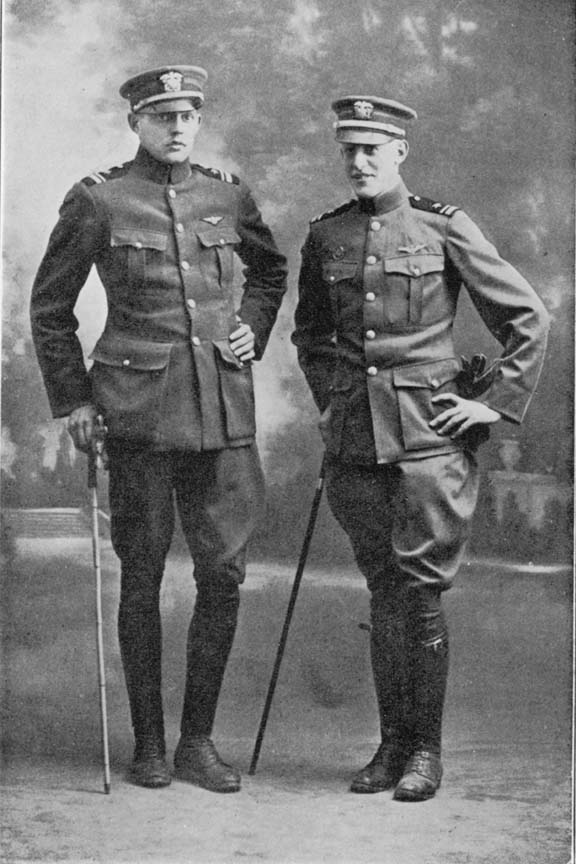

SON of Henry B. and Fanny (Gray) Little; was born in Newburyport, Mass., July 9, 1895. He was educated at the Noble and Greenough School, and at Harvard College.
He enlisted for Aviation Service in the Navy on May 9, 1917, at the Boston Navy Yard, and was assigned to the Naval Air Station at Akron, Ohio. He was commissioned Ensign, Oct. 31, 1917, sailed overseas on Nov. 12, and served at Rochefort and at Paimboeuf. On March 23, 1918, he was commissioned Lieut. (j.g.), and later appointed Senior Flight Commander. On April 21, 1918, he was awarded Brevet de Pilote de Dirigible. He was sent to Guipavas in Sept., 1918. Lieut. Little was Chief Pilot in charge of the dirigibles which went out to meet President Wilson when he arrived in France. On Oct. 1, 1918, he was commissioned Lieut.
He returned to the U.S. and was stationed at Cape May, N.J.
Brother in Service: Leon M. Little, Lieut., U.S.N.R.F.

SON of George Chase and Emma (Afford) Abbott, of Waban, Mass.; was born in Melrose, Mass., March 8, 1897. He was educated at the Roxbury Latin School, Oak Grove Seminary, and Cornell University. At college he was a member of the Cornell crosscountry team. He trained with the Cornell Cadet Corps.
He enlisted at Newport, R.I., on April 4, 1917; and was transferred to Naval Aviation, for U.S.N.R.F., on Sept. 18, 1917. He trained 10 weeks at M.I.T. Ground School, two months at Pensacola, Fla., and one month at Marine Field, Miami, Fla. He was commissioned 2d Lieut., dating from June 5, 1918.
On July 4, 1918, Lieut. Abbott was transferred to U.S. Marine Corps, R.F.C., and was ordered overseas. He landed in France Aug. 1, 1918, going directly to Calais, then to the site of the airdrome, at Dye, Pas de Calais, France. He was stationed there with the 7th Squadron, Northern Bombing Group, Day Wing, from Aug. 6 to Nov. 30, 1918. Much time was spent in getting the drome into suitable condition, during which period they were frequently subject to nocturnal visits by the Germans. Gradually the planes, De Haviland 4's and 9's, equipped with Liberty motors, began to arrive, and operations began, though upon a small scale. Then came the great British effort, when Ostend and Zeebrugge, the principal objective of the 7th Squadron, were captured by their allies, and their occupation was gone. The Squadron was moving to Knesseloere, Belgium, when rumors of the Armistice came, and it was ordered to cease moving material and personnel. Lieut. Abbott received home orders, which took effect Nov. 30, 1918. He was put upon the inactive service list, Feb. 1, 1919, in the Boston Reserve district.

SON of Edward G. A. and Grace Eugenie (Vautrinot) Wenz, of Dedham, Mass.; was born at Roxbury, Mass., Aug. 1, 1893. He attended Boston College High School, and graduated from Boston College, class of 1914.
He enlisted in U.S.N.A. at the Boston Navy Yard on May 23, 1917. He trained at M.I.T. Ground School, graduating in the first class, and was sent to Pensacola, Fla., for flying instruction. He was commissioned Ensign on Dec. 29, 1917, and ordered abroad. He sailed overseas on Feb. 8, 1918, and was stationed at many places on the coast of England and Ireland, on patrol duty. While on duty at Budleigh Sallerton, Eng., he met with a severe accident on May 31, 1918. He and his observer had a narrow escape when his controls jammed. After a month in hospital he returned to duty.
For a time he was loaned to the Royal Flying Forces. He was commissioned Lieut. (j.g.) on Oct. 1, 1918, and has been a Chief Pilot for many months, still in service at Whiddy Island, Bantry Bay, Ireland, and expects to reenlist in the Service.
While on duty at Pensacola, before he had received his commission, Lieut. Wenz was cited for bravery in rescue work during a hurricane. From a copy of the citation:
Chief Petty Officer MacLaughlin and his men of Group 8, who without suggestion swam out into the rough waters of the bay this morning at great bodily risk to themselves, bringing in safety many heavy wooden pilings which broke loose during the storm.
From the citation sent by the War Bureau, recommending official recognition of the bravery and generous action as indicated herein:
The Bureau is pleased to note that your action in this case has demonstrated that you are willing to take advantage not only of the responsibilities of the naval service, but also of its opportunities for service outside the routine of duty. Your action in this case is heartily recommended.
Brother in Service -
Philip H. Wenz, Corp. Army Radio Section, Signal Corps; A.E.F.

SON of David C. and Jane C. (Wheelwright) Torrey, of Cambridge, Mass.; was born at Newbury, Mass., May 4, 1898. He was educated at Concord, Mass., High School, 1914; Phillips Andover Academy, 1915; and Harvard College, 1919. Previous to enlistment he trained with the Harvard R.O.T.C. in the spring of 1917.
He enlisted in U.S. Navy, July 2, 1917, and was a member of Naval Aviation Detachment, M.I.T., from Oct. 1, 1917, to Nov. 24, 1917. He trained at Naval Air Station, Hampton Roads, Va., Nov. 27, 1917, to Jan. 9, 1918, and at Pensacola, Fla., from Jan. 11 to April 11, 1918. He was commissioned Ensign, U.S.N.R.F., March 22, 1918. He was transferred to Marine Flying Field, Miami, Fla., from April 15 to July 15, 1918. On May 25 he was discharged from U.S.N.R.F., and enrolled as 2d Lieut. U.S.M.C.R., on the following day. In July he sailed overseas, and saw foreign service, attached to the Northern Bombing Squadron, Field E, from July 18, 1918, to Dec. 20, 1918. The Armistice being signed, he returned to America and was attached to the Marine Flying Field, Miami, Fla., Squadron C.
Brothers in Service ---
Kenneth W. Torrey, Private, 106th Machine-Gun Co. Killed in action, Oct. 2, 1918.
Norman Z. Torrey, Corporal, Battery C, 101st F.A. Cited for bravery, D.S.C.
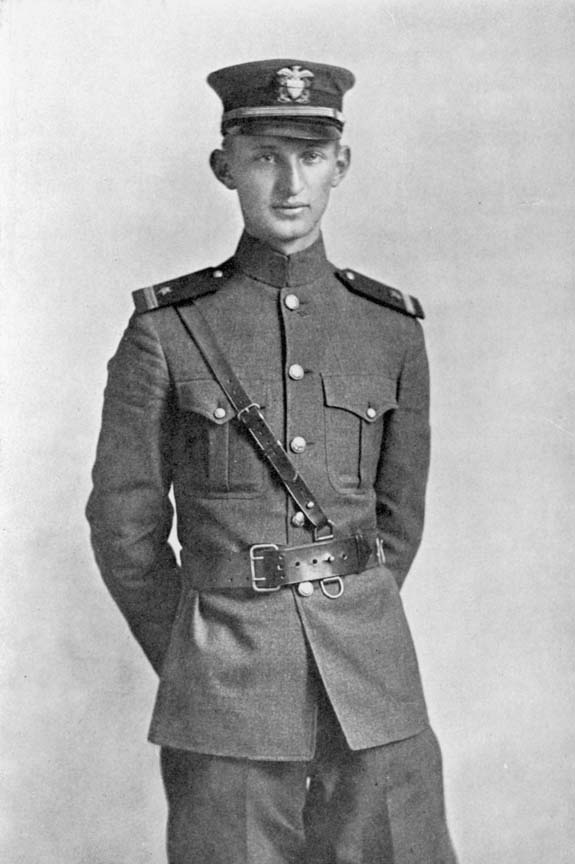
SON of J. Hurd and Olivia (Endicott) Hutchins; was born in Boston, Mass., Feb. 25, 1894. He was educated at the Noble and Greenough School, and at Harvard College.
He started flying in April, 1917, under private instructions of the Curtiss Flying School, Newport News, Va. In May he joined the Navy and flew continuously as a Seaman (2d class), until Nov. of the same year, when he received his Naval Aviator's Certificate, and was commissioned Ensign, U.S.N.R.F.C.
For several months he occupied different positions, serving as Instructor and Flight Commander. In March, 1915, he was commissioned Lieut. (j.g.), and was given charge of the Quartermasters' School, which contained about 500 Quartermasters of the Navy, to serve when graduated as Mechanics in various degrees of the Aviation Service. This School ended in May, when Lieut. Hutchins resumed flying in the patrol service around the Virginia Capes. In this capacity he served as Patrol Pilot and as Division Commander for a short time, then as Flight Commander until Oct., 1918. While the German submarines were actively engaged off the Capes, he made one continuous patrol with full ordnance equipment out to sea and back, of eight hours and a half. This flight at the time was credited to him as the longest any naval plane had made. On Oct. 18, he was sent to Philadelphia in charge of flying three H-16's, twin motor machines, from Philadelphia to Pensacola via the Coast Line. The start was made from the Naval Aircraft factory at Philadelphia. Hampton Roads, Va.; Moorehead City, N.C.; Paris Island, S.C.; St. Augustine, Fla.; Miami, Fla.; and Tampa, Fla.; were the stations at which the boats made brief stops. At Pensacola, Lieut. Hutchins went through the Gunnery and the Bombing Schools, and had just completed the course when the Armistice was signed. On reaching Washington he was promoted to Lieut. in the Flying Corps. In Jan., 1919, he was placed on inactive duty, at Boston.
Brother in Service ---
John Hutchins, 1st Lieut. 42d Division, A.E.F.
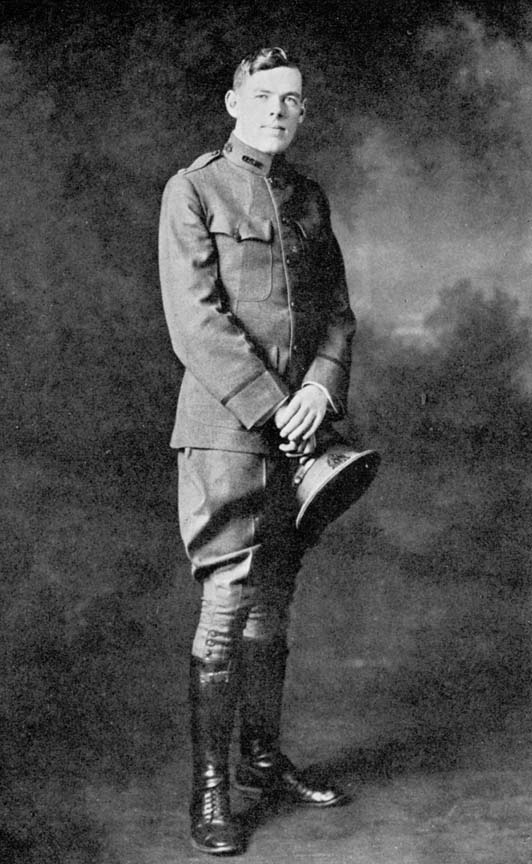
SON of Rev. Frederick and Helen (Coit) Means; was born in Windham, Conn., June 7, 1896. He prepared for college at Exeter Academy, and attended Harvard College for three years. He was a member of the Harvard R.O.T.C., and in Aug., 1917, joined the R.O.T.C. at Plattsburg.
He was trained at Plattsburg from Aug. 23, 1917, to Dec. 17, when he was commissioned 2d Lieut, of Infantry. After further work at Camp Dix, N.J., he was transferred to the Aviation Section, Signal Corps, and sent to the Ground School at Ithaca, N.Y., Jan. 29, 1918. While training at Hazelhurst Field, Mineola, N.Y., Lieut. Means had a narrow escape in a tail-spin fall from 1800 feet. After further work at Camp Dick, Dallas, Tex., and Ellington Field, Houston, Tex., he was assigned to 4th Student Officers' Squadron, Sept., 1918.
Lieut. Means was honorably discharged from the Service Jan. 2, 1919, and is at present serving as a member of the Armenian Relief Expedition to the Near East.
Brothers in Service
Paul Howard Means, Private, Medical Enlisted Reserve Corps.
Winthrop J. Means, Corporal, Harvard S.A.T.C.
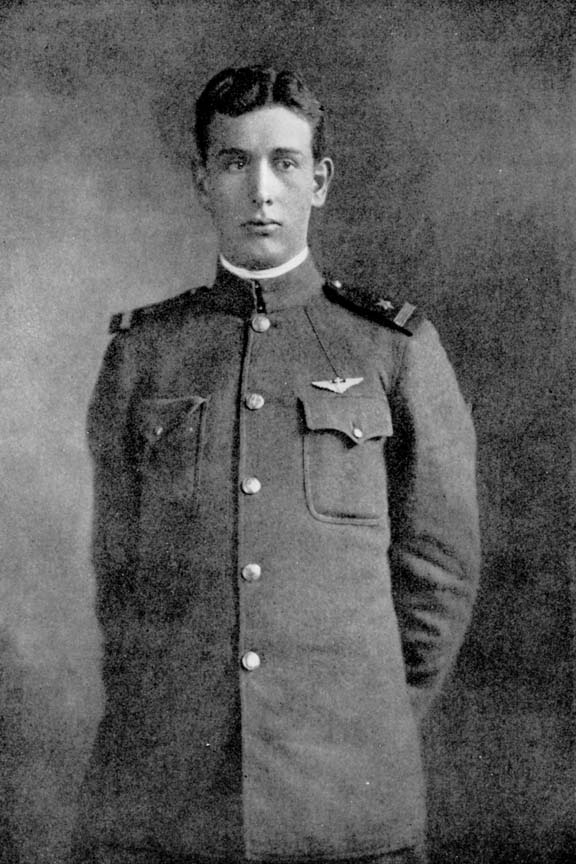
SON of Charles F. and Ellen H. Morse, of Boston; was born in Kansas City, Mo., May 29, 1895. He was educated at Groton School, and at Harvard College, class of 1918. He was on the freshman track team in 1915 at college.
On March 12, 1917, he enlisted in the Aviation Service at Charlestown, Mass., and was ordered to the Naval Station at Newport, on April 8. He responded to the call for naval aviators, and was sent to M.I.T. Ground School for instruction on Sept. 15, 1917. Having finished the course there on Nov. 10, he was ordered to the U.S. Naval Air Station, Pensacola, Fla. On Feb. 14, 1918, he was commissioned Ensign, and sailed for France on March 28. Until Aug. 1, 1918, he was stationed for bombing-training at Moutchic-Lacanau, Gironde. He was then ordered to U.S. Naval Air Station at Fromentine, Vendée, and served on patrol duty there until the end of the war. He was commissioned Lieut. (j.g.) on Oct. 1, 1918. He returned to the U.S. on Dec. 16, 1918, and was stationed at Hampton Roads, Va., until released from active service.
Brothers in Service
Arthur H. Morse, Capt., 810th Pioneer Infantry, U.S.A.
Charles F. Morse, 102d Régiment, d'Artillerie, French Army.

SON of Fred C. and Emma R. Hinds, of Newtonville, Mass.; was born at Chelsea, Mass., Jan. 4, 1886. He was educated at the Newton High School, and Mass. Institute of Technology. He played on the football team at high school, and also at M.I.T.
On May 3, 1917, he enlisted in the Naval Reserve, at Newport, RI., where he trained in the Seaman's branch. He then transferred to Aviation, and trained at the Ground School, M.I.T., from Feb., 1918. He had elementary flying at Miami, Fla., and advanced flying at Pensacola, Fla., where he was commissioned Ensign, on Sept. 6, 1918. At Miami he acted as submarine coast-patrol, and at Pensacola, served as bombing-pilot, and as instructor in bombing. In the spring of 1919 Ensign Hinds was promoted to Division Commander of the Bombing Squadron, at Pensacola, and is still in Service in that capacity .
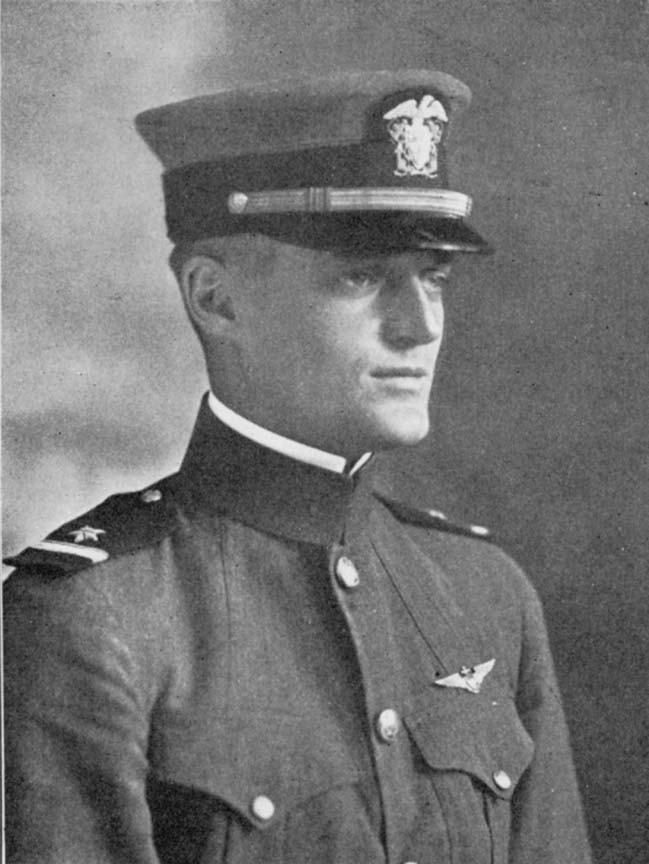
SON of H. D. and I. Persis Arnold; was born in Boston, Mass., March 23, 1898. He was educated at Volkmann's School, and at Harvard College, class of 1918. In college he was manager of the Harvard crew. He attended the Junior Plattsburg Camp in 1915, and trained with the Harvard R.O.T.C. in 1916 and 1917. He enlisted in Boston in the U.S.N.R.F., on April 1, 1917, and trained at the M.I.T. Ground School, and at Key West, Fla. He was commissioned Ensign, March 25, 1918, and retained as Flight Instructor. In July, 1918, appointed Squadron Commander. Oct. 1, commissioned Lieut. (j.g.), and placed in charge of all flying at the station. On Jan. 24, 1919, he was placed on inactive duty from Key West, Fla.
Brother in Service---
Warren D. Arnold, Lieut. (j.g.), U.S.N.R.F.
Father in Service ---
H. D. Arnold, Lieut-Col. M.C.N.A.
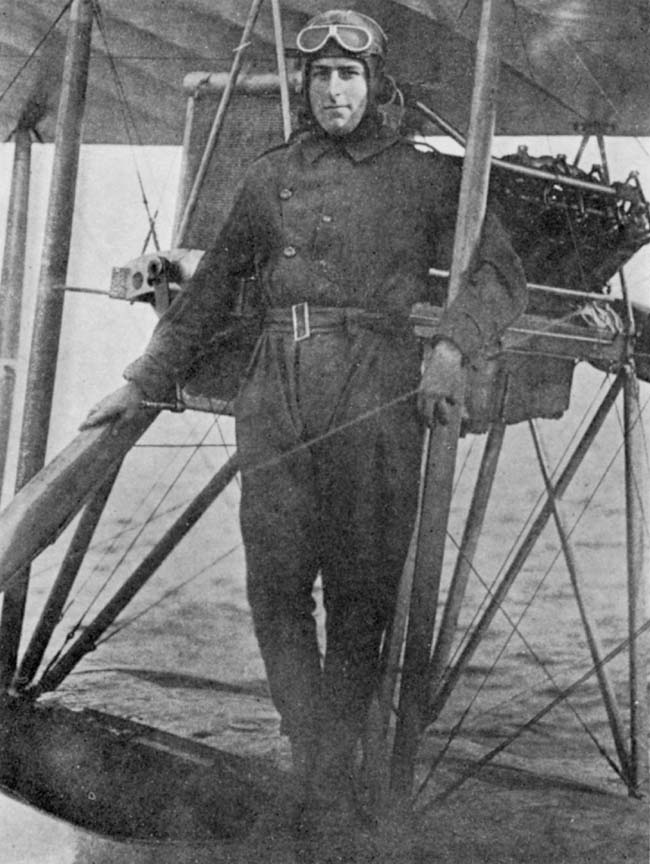
SON of Joseph and Esther Sonnabend; was born in Boston, Mass., Dec. 8, 1896. He was educated at Boston Latin School, class of 1914, and at Harvard College, class of 1918, A.B. 1917. At college he played on his class football team in 1915 and 1916. He trained with the Harvard Regiment and with the Harvard R.O.T.C.
On March 4, 1918, he enlisted in Naval Aviation, at the 3d Naval Reserve District, N.Y. April-June, 1918, he was trained with Flight 20, Naval Aviation Detachment, M.I.T. July-August, 1918, he had preliminary training at U.S.N.A. Station, Miami, Fla., with the 8th, 9th, and 10th Squadrons. He took advanced training Aug.-Nov. 1918, at U.S.N.A. Station, Pensacola, Fla., with the 3d, 4th, 2d, and 6th Squadrons. In Nov., 1918, he was commissioned Ensign, and ordered overseas. Because of the Armistice the orders were cancelled, and he was reordered to the Air Station at Miami, Fla., as Instructor. In Feb., 1919, he was still in Service.

SON of Joseph and Edith C. (Johnson) Ashley, of Amesbury, Mass.; was born in New York City, Aug. 29, 1895. He graduated from the Amesbury High School in 1913, and during the previous summer attended a school of wireless telegraphy in Boston, receiving his diploma as state electrician, July 17, 1912. He entered the Wentworth Institute, where he won a year's scholarship, graduating, 1916.
In April, 1917, he enlisted in the N.R.F.C. at Boston Navy Yard. He attended M.I.T. Ground School, then the flying school at Pensacola, Fla., on Oct. 2, 1917. He was commissioned Ensign on Jan. 17, 1918, and sailed overseas on March 7, 1918; trained at Naval Air Station, Moutchic-Lacanau, until July 15, 1918; was then transferred to Brest as patrol pilot, convoying ships.
On Dec. 16, 1918, he sailed for the U.S.; and was ordered to U.S.N. Air Station at Chatham, Mass., on Jan. 15, 1919, where he is still in Service. He was promoted to Lieut. (j.g.) in March, 1919. dating from Oct., 1918.

SON of William Sinclair and Myrtle A. (Leavitt) Cormack; was born at Newton, Mass., Sept. 12, 1896. He graduated from the Boston Latin School, class of 1913, and from Bowdoin College, A.B. 1917. He enlisted at Brunswick, Me., in April, 1917; trained in the Bowdoin College R.O.T.C. from April to June, 1917; was detached and enlisted in the Naval Air Service in June, 1917; attended the M.I.T. Ground School in Sept. and Oct., and continued training at Pensacola, Fla. He qualified as a pilot in March, 1918; was instructor in the Gunnery School at Pensacola from March till June, 1918; was commissioned Ensign on June 12, and ordered to Rockaway, N.Y., for convoy and patrol work, remaining until July, when he was sent overseas to France with the Northern Bombing Group, and stationed at Moutchic-Lacanau, in Aug., and at Paris in Sept. In Oct. he was at Brest, and in Nov. again at Moutchic-Lacanau. After the Armistice he returned to America, and was stationed at Bay Shore, N.Y., from Dec., 1918, till Jan. 15, 1919. Then ordered to inactive duty, at Bay Shore, N.Y.
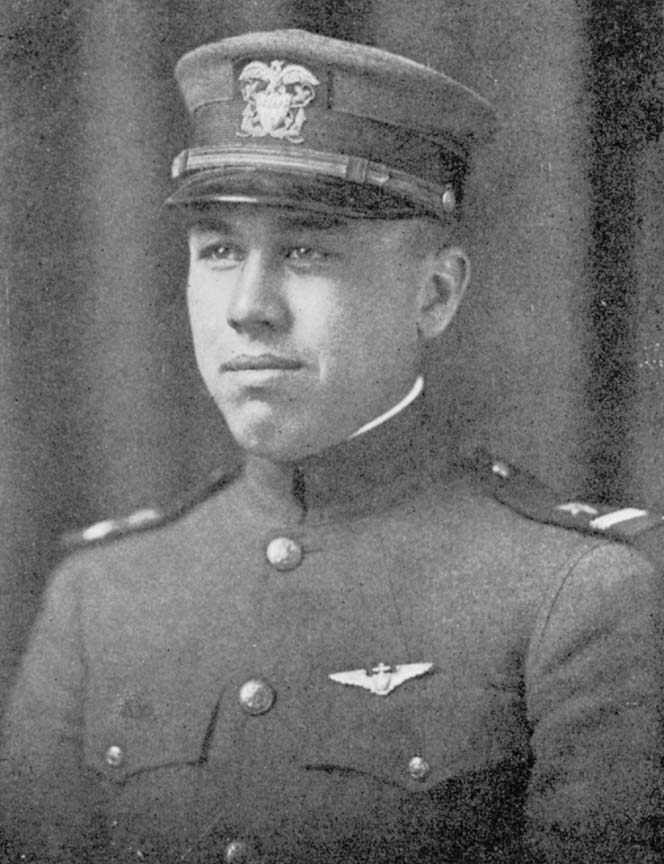
SON of James and Hannah E. Coggeshall, of Allston, Mass.; was born in New York City, June 4, 1896. Educated at the Boston School of Commerce, and at Harvard College, A.B. 1917 (honoris causa). On Sept. 15, 1917, he enlisted in U.S.N.R.F.C., at Washington, D.C., and was sent to M.I.T. Ground School, completing his course on Nov. 25. He was ordered to the Naval Air Station at Hampton Roads, Va., Nov. 25 to Jan. 11, 1918. He was attached to N.A.S., Pensacola, Fla., Jan. 11 to Oct. 6, 1918. He was designated Naval Aviator, and commissioned Ensign, on March 4, 1918. Illness with typhoid fever prevented his flying from May 15 until Oct. 6, 1918. From the latter date until Dec. 13, 1918, he was attached to the Office of Naval Operations (Aviation) at Washington, D.C.; where he was relieved from active service. He was recommended for promotion to Lieut. (j.g.) as of Oct. 1, 1918.
Married, Aug. 15, 1917, to Esther Clarke.
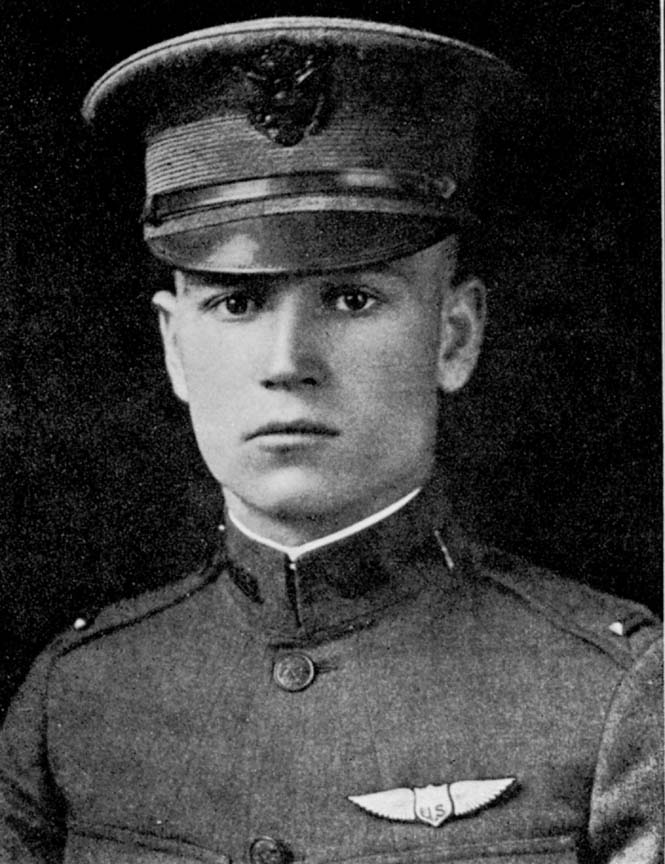
SON of John and Helen (Robertson) Cassidy, of Saxonville, Mass.; was born in Berlin, Mass., Aug. 4, 1897. He was a graduate of Framingham High School, and had passed his examinations for Harvard College. He enlisted in U.S. Air Service on Nov. 13, 1917, at Boston; and on Feb. 2, 1918, entered Cornell Ground School. He graduated March 30, with Squadron 36. He then spent a month at Camp Dick, Dallas, Tex., from which place he was transferred to Call Field, Wichita Falls, Tex., for flying training. On Sept. 14, 1918, he was commissioned 2d Lieut., A.S.A. On Oct. 1 he was transferred to Love Field, Dallas, Tex., where he was honorably discharged on Jan. 21, 1919. On one occasion Lieut. Cassidy well-nigh established an altitude record, mounting nearly 30,000 feet.
Brother in Service ---
Thomas A. Cassidy, 78th Division, 303d Supply Train.

SON of George and Emily (Roberts) Clowes, of Bristol, R.I.; was born in Boston, April 3, 1896. He was educated at the Colt Memorial High School, Bristol, R.I., and at the R.I. State College (1918), leaving to enlist in his junior year. He trained at Plattsburg R.O.T.C. for three months, enlisting on May 12, 1917. He was recommended for a commission in the Artillery, Regular U.S. Army, but was transferred to Aviation on his request. He was sent to the M.I.T. Ground School; then to Mineola, N.Y., and to Lake Charles, La., for flying instruction. He was commissioned 2d Lieut. Feb. 5, 1918, at Gerstner Field, Lake Charles, La. After receiving his commission, he was transferred to Carlstrom Field, Arcadia, Fla., as Instructor in Scout Work and Acrobatics. On Oct. 31, 1918, he was given expert Aviator's Certificate No. 204, by the Aero Club of America. He was honorably discharged at Carlstrom Field, about March 1, 1919, and placed on the reserve list.
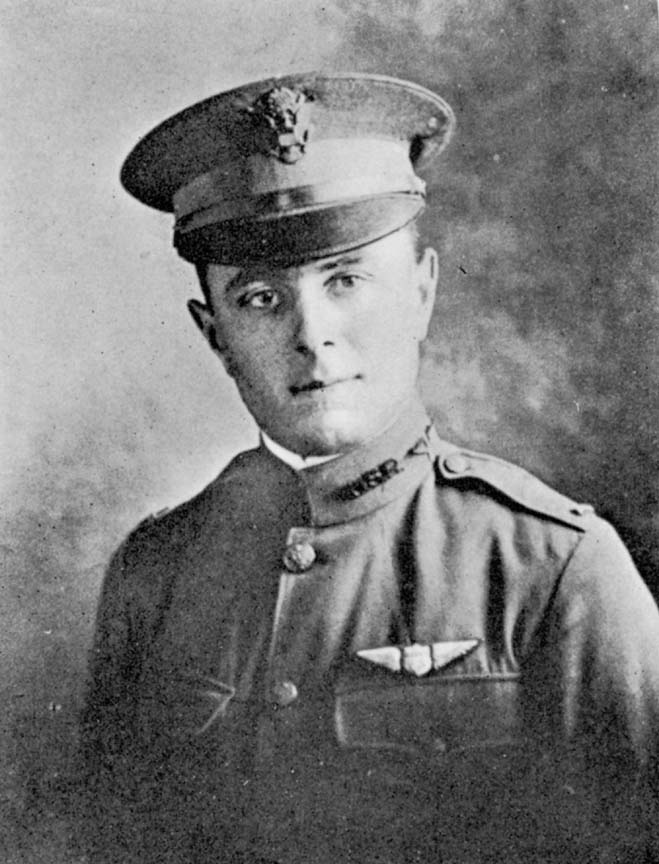
SON of Herbert N. and May L. Hinckley; was born at Vineyard Haven, Mass., Jan. 19, 1893. Educated at Tisbury High School, Thayer Academy, and M.I.T., class of 1918. He enlisted at Boston on May 12, 1917, and attended the 3d Officers' Training Camp at Plattsburg, May 12 to Aug. 14, 1917. He was at M.I.T. Ground School, from Oct. 27 to Dec. 22, and trained at Kelly Field, San Antonio, Tex., from Jan. 8 to April 6, 1918, when he was commissioned 2d Lieut., Reserve Military Aviator, A.S.S.C. He was stationed at Camp Dick, Dallas, Tex., from April 25 to May 25, and at Ellington Field, Houston, Tex., from May 25 until the end of the war. Upon completion of the regular and post-graduate courses as a bombing-pilot at Ellington Field, he was assigned to the formation and advanced cross-country stage as an instructor. After the Armistice he was transferred to the R.M.A. stage to teach non-flying officers to become pilots.
Married, Dec. 26, 1918, Laura Howland Vincent.

SON of Mr. and Mrs. George E. Hitchcock; was born at Malden, Mass., Feb. 26, 1887. He was educated at the Malden High School, where he played on the football, baseball, and basket-ball teams, and was a member of the track relay team. He enlisted in A.S.A. at Boston, on Dec. 6, 1917, and had training successively at S.M.A., Cornell University, Feb. 2, 1918, to April 6; Camp Dick, Dallas, Tex., April 19, to May 30; Scott Field, Belleville, Ill., June 1 to Nov. 4, 1918, where he had preliminary flying. He was commissioned 2d Lieut. A.S.A., Army Corps Pilot, on Sept. 4, 1918. From Nov. 1 to Dec. 10, 1918, he was stationed at Langley Field, Hampton, Va., for advanced flying as an Army Corps Pilot. He was honorably discharged at Langley Field on Dec. 10, 1918.
Married. Jan. 1, 1914. Margarita Bartlett.
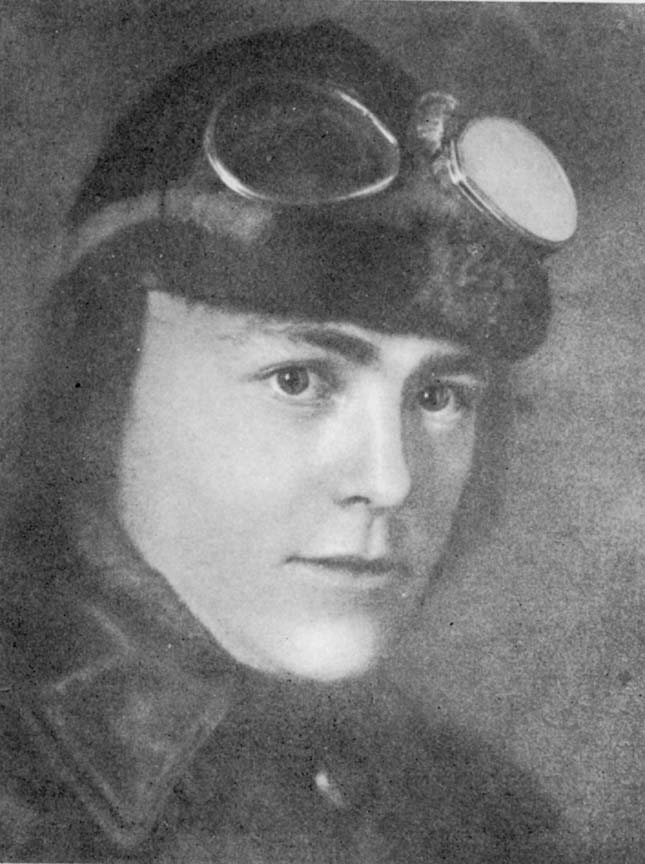
SON of William Trott and Adell (Howe) King, of Bethel, Vt.; was born in St. Johnsbury, Vt., July 30, 1895. He was educated at the Whitcomb High School, Bethel, Vt.; at St. Johnsbury Academy; and Dartmouth College, class of 1917. He won the Powers Gold Medal in his freshman year at college, and was the champion ski-jumper in the following years. He enlisted in Aviation at Boston, in Nov., 1917. He began training at Cornell on Jan. 6, 1918. On March 8 he was ordered to Dallas, Tex. He was commissioned 2d Lieut. in the Air Service on June 8, 1918, and ordered overseas on Oct. 16. When the Armistice was signed, he was stationed at Issoudun. He was at Angers, awaiting orders home, when he was selected an interpreter on the staff of Brigadier-General McKinstry, of the Board of Indemnity Appraisers, on Jan. 20, 1919.
Brother in Service
Benjamin H. King, Cadet Aviator.
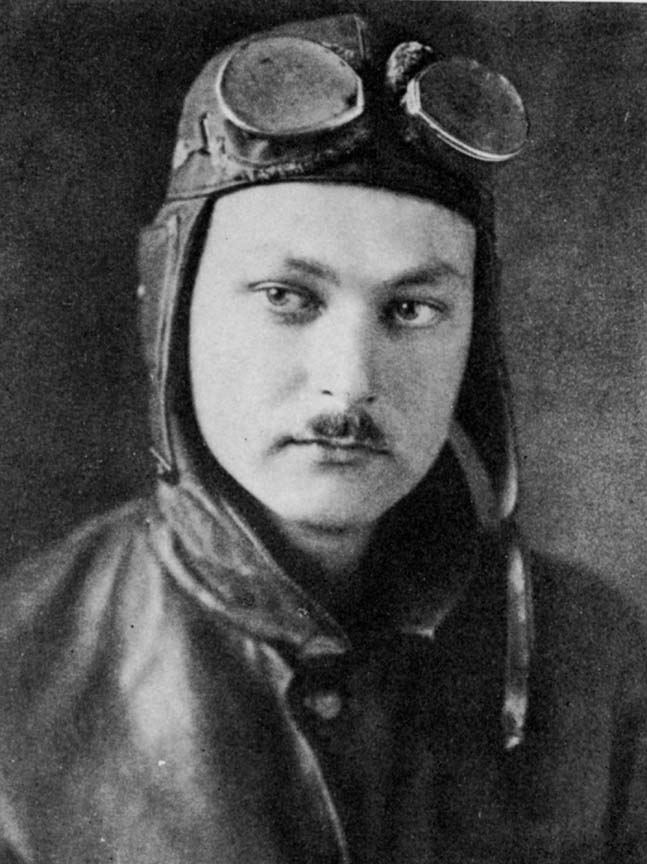
SON of Mr. and Mrs. Charles S. Duke, of Wellesley Hills, Mass.; was born in Peoria, Ill., June 6, 1890. Educated at Mechanic Arts High School, Boston, and at M.I.T. He enlisted at Cambridge on Nov. 3, 1917, and trained at M.I.T. and Princeton Ground Schools, graduating on Jan. 12, 1918. He had preliminary flying at Kelly Field, San Antonio, Tex. On March 27 he was commissioned 2d Lieut. and took the Bombing Pilot's course at Ellington Field, graduating on Sept. 15. He had training in aerial gunnery at Taliaferro Field, from Oct. 5, 1918, to Jan. 25, 1919, then took a course in Aeronautical Engineering at M.I.T. At last accounts he was still in Service in the Technical Division, at Dayton, O.
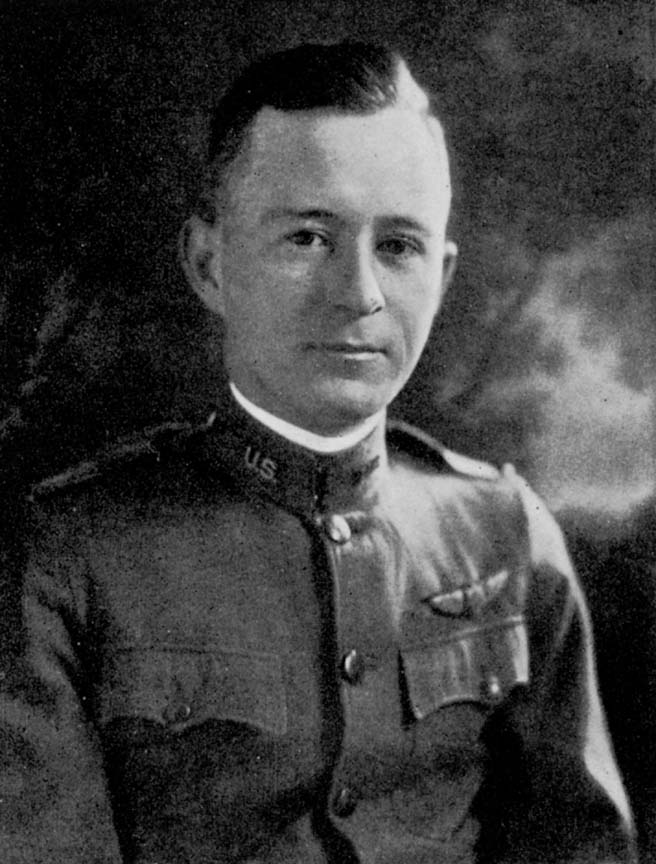
SON of Thomas and Sarah (Henneberry) McGrath; was born in Bennington, Vt., March 24, 1887. He was educated at the public schools of Charlestown, Mass. He enlisted in the Air Service in Cambridge, Sept. 14, 1917. Attended the Ground Schools at M.I.T. and Princeton, and was transferred to Gerstner Field, where he was commissioned 2d Lieut. May 21, 1918. He was subsequently assigned to the Gunnery School at Wilbur Wright Field in Dayton, O.; and later to the Advanced Bombing School at Ellington Field, Houston, Tex. He had qualified as a day bombing pilot when the Armistice was signed, but had not been attached to any squadron.
Brothers in Service ---
Matthew L. McGrath, Ch. Yeoman, U.S.N.R.F.
Joseph W. McGrath, Ch. Yeoman, U.S.N.R.F.
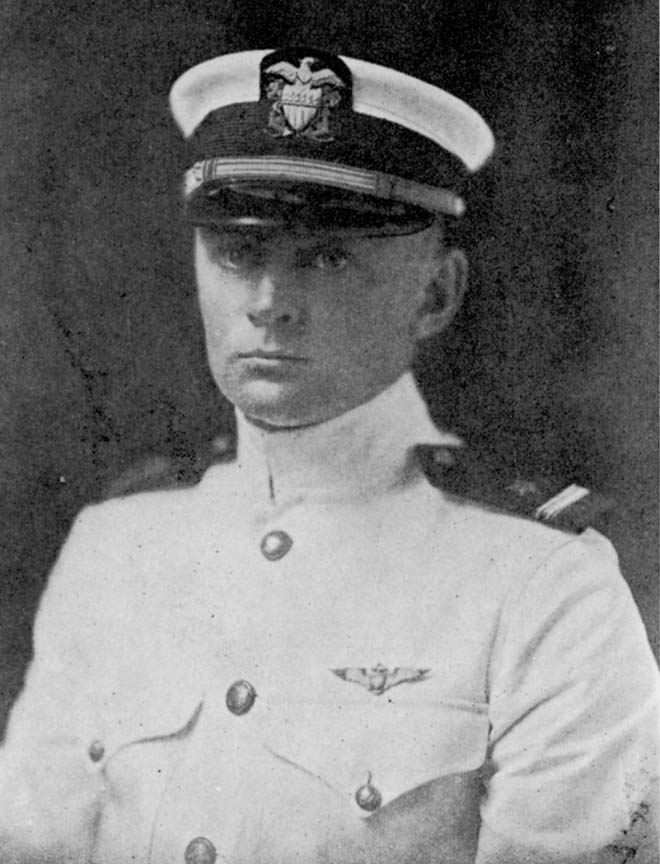
SON of Alvin F. and Caroline Robertson (Symmes) Osgood; was born in Ashmont, Mass., June 22, 1891. He graduated from the Arlington High School, where he made a record in athletics as a member of the track team and captain of the hockey team in 1912. For 5 years he was a member of the Boston Athletic Association hockey team. He enlisted in the Naval Reserves, 2d Naval District, at Newport, 11.1., April, 1917, and was assigned duty on S.P. 428 Mystery (submarine-chaser), during the summer of 1917. He was transferred to Naval Aviation, and entered the Ground School, M.I.T., Oct. 30, 1917. On completing the course there, he was ordered to Pensacola, Fla., Jan. 19, 1918. He qualified as Gunnery Pilot in the U.S. Naval Flying Corps, and made an altitude record flight of 13,200 feet in the heavy-type bombing-plane H-12. Was commissioned Ensign, March 28, 1918. He was held at Pensacola as Instructor, and then as Division and Squadron Commander. From July, 1918, to Jan., 1919, four times recommended for promotion.
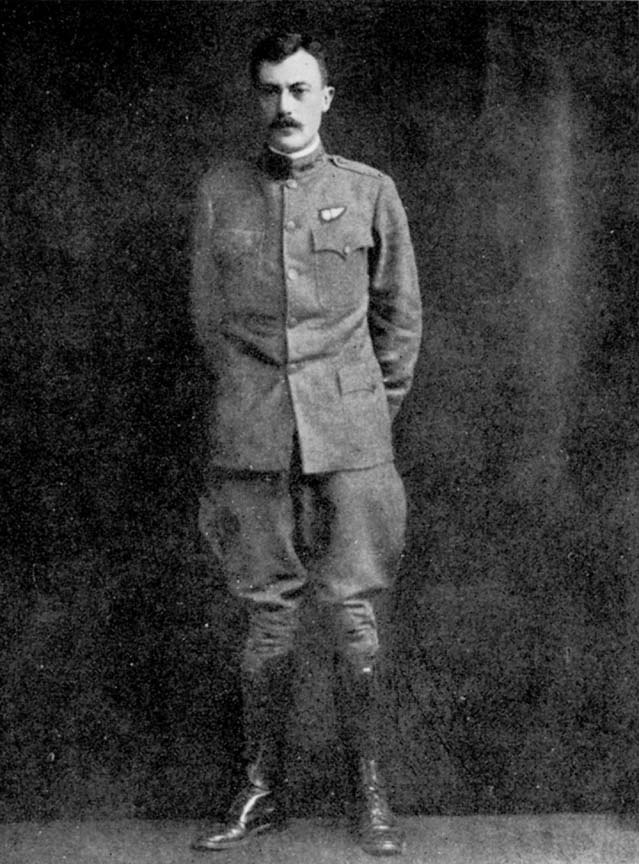
SON of Dr. John Wheelock and Mary Lee (Morse) Elliot; was born in Boston, Nov. 5, 1891. He was educated at the Noble and Greenough School, Boston, Middlesex School, and at Harvard College. Previous to enlistment he trained with Battery A, M.V.M., for a year and a half. He attended the 1st Plattsburg Business Men's Training Camp in 1915, and the 2d Officers' Training Camp at Plattsburg in 1917. He enlisted in Boston in Jan., 1918, in the Aviation Service; was sent for training to Camp Dick, Dallas, Tex.; to Austin, Tex., S.M.A.; to Fortress Monroe, Va., Aerial Observation School; and later to Langley Field, Hampton, Va. He was commissioned 2d Lieut. Jan. 24, 1919, A.S.A., U.S.A. He was honorably discharged at Langley Field, Hampton, Va., on Jan. 27, 1919.

SON of Charles and Mabel (Hooper) Dunton, of Allston, Mass.; was born in Boston, March 13, 1895. He was educated at the Boston Latin School and at Harvard College, class of 1918. He trained with the Harvard R.O.T.C. in 1916-17; attended the 1st Plattsburg Training Camp, from April 23, 1917; and enlisted there on May 12, 1917. Following this he trained at M.I.T. Ground School, from Oct. 20 to Dec. 15; and at Ellington Field, Houston, Tex., from Dec. 22, 1917, to May 10, 1918. He was commissioned 2d Lieut. March 25, 1918, and was stationed at Camp Dick Concentration Camp, Dallas, Tex., from April 12 to May 3, 1918; then at Fort Sill, Okla., for Corps d'Armée Pilot Training, from May 5, to June 8, 1918. He was detailed as Pilot Instructor in Aerial Gunnery at Selfridge Field, Mt. Clemens, Mich., from June 15, 1918, to Jan. 30, 1919. He was honorably discharged at Selfridge Field on Jan. 30, 1919, to return to college.

SON of Charles Gale and Rhoda J. (Colburn) Shedd; was born in Keene, N.H., July 14, 1892. He was educated at Exeter Academy and at the M.I.T. He enlisted at Boston, on Dec. 1, 1917; was assigned to the Ground School, M.I.T., where he remained throughout Dec., 1917, and to the Ground School at Cornell, where he remained from Jan. 1 to Feb. 1, 1918. He was then transferred to Camp Dick, Dallas, Tex., March 1-April 15, and to Eberts Flying Field, Ark. April 15-Sept. 25. He was commissioned 2d Lieut., R.M.A., Aug. 15, 1918. Stationed from Sept. 25, 1918, to Jan. 10, 1919, at Ellington Field, Houston, Tex., where he was honorably discharged Jan. 10, 1919.
Twin Brother in Service ---
Charles Gale Shedd, Jr., Capt., Ordnance Officer Corps; stationed at St.-Nazaire, France.
Father in Service ---
Charles Gale Shedd, 1st Lieut., American Red Cross; served in Paris, France, April to Oct., 1918.
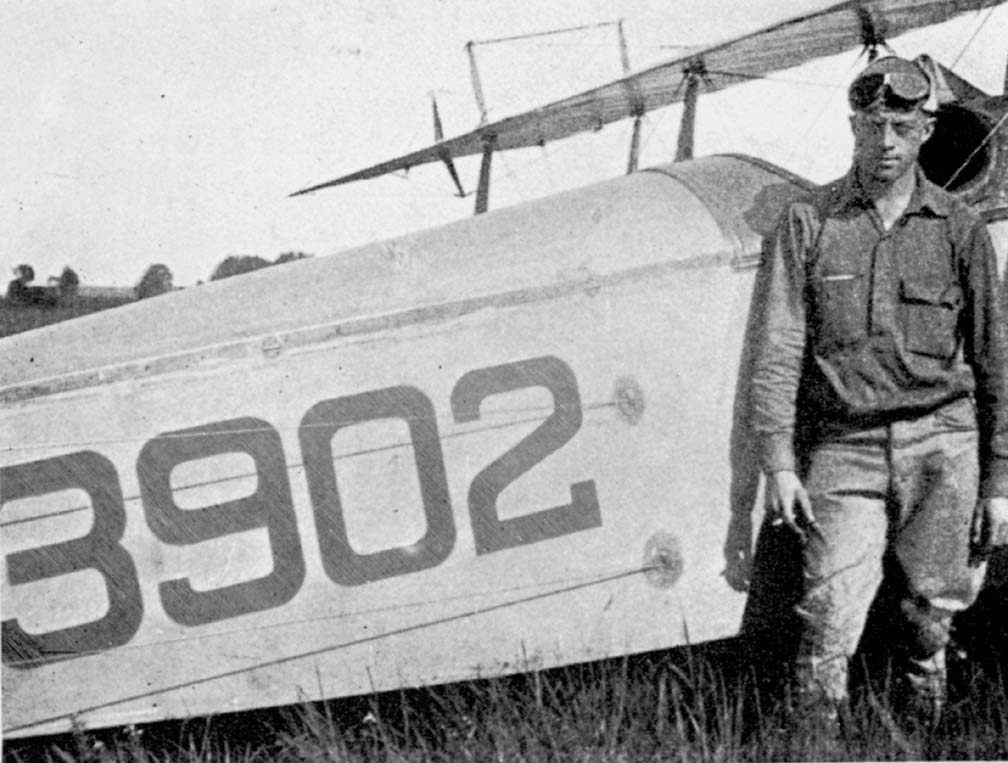
SON of George Parker and Mary Alice (Jones) Merrill; was born in Melrose, Mass., March 6, 1894. He was educated at the Melrose High School, and at the Syracuse Forestry School, from which he graduated in 1915. He enlisted in Boston, Oct. 14, 1917, and was trained at the Ground School, M.I.T., at Cornell, and at Camp Dick, Dallas, Tex. He was assigned to Eberts Field, Lonoke, Ark., April 12, 1918. He was commissioned 2d Lieut., July 20, 1918, and subsequently held at Eberts Field as Instructor in Acrobatics. He was honorably discharged from the Service Dec. 9, 1918.
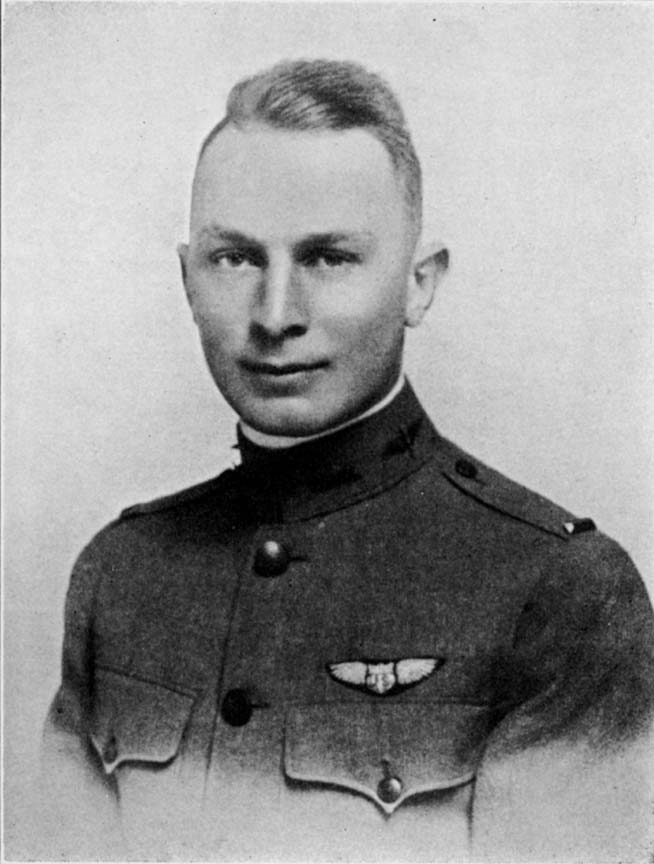
SON of Bonman F. and Grace S. (Crosby) Cann, of Jaffrey, N.H.; was born at Cambridge, Mass., Dec. 12, 1885. He was educated at the Jaffrey High School, and the N.H. State College, at Durham, N.H. He attended the Plattsburg Training Camp for three months in 1916; and again in 1917. He graduated from the L.M.A. at Austin, Tex., from the Flying School at Kelly Field, San Antonio, Tex., and has since been Instructor at Park Field, Millington, Tenn. He was commissioned 2d Lieut. at Kelly Field.
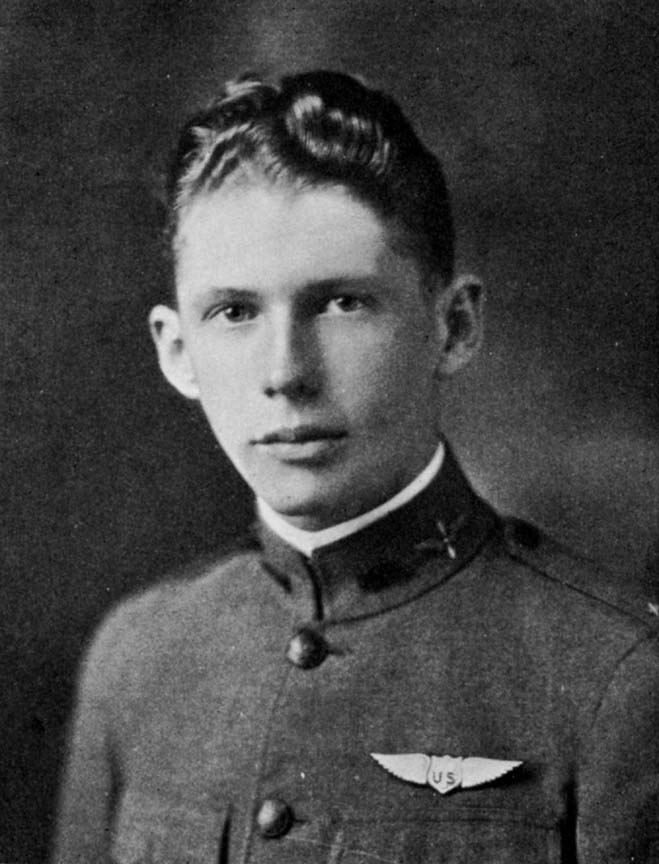
SON of William H. and Berta B. Bazley, of Everett, Mass.; was born in Whitman, Mass., May 7, 1896. He was educated at the Everett High School, and Northeastern College. In the summer of 1916 he attended the Plattsburg Training Camp. He enlisted, Oct. 30, 1917, at Cambridge, and was trained in Aviation at M.I.T. Ground School; elementary flying and aerial gunnery at Taliaferro Field, Fort Worth, Tex.; machine-gunnery at Wilbur Wright Field, Dayton, O. He was commissioned 2d Lieut. June 17, 1918, and sailed overseas on Sept. 16, 1918, reporting at Issoudun, France, for further training as pursuit pilot. After completing his instruction he was ordered to the 2d A.I.C. at Tours, France, for duty as staff pilot. He remained there until ordered back to the U.S. on March 1, 1919. He reported at Garden City and was assigned to a casual company of Air Service men to be brought to Camp Devens for discharge. After completion of duties at Camp Devens he was honorably discharged from Service on April 22, 1919.
Father in Service ---
William H. Bazley, in the Spanish-American War.
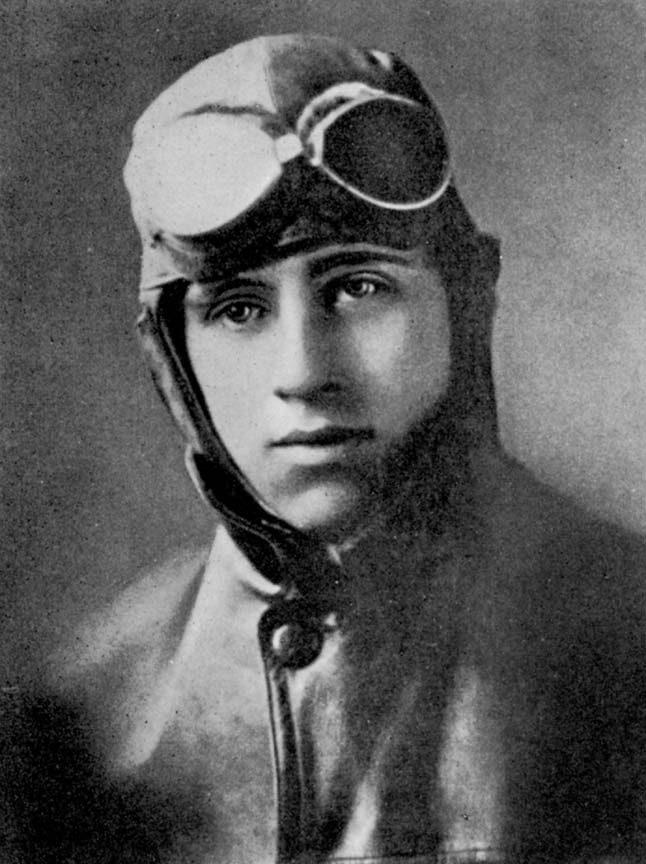
SON of Henry S. and Harriet H. C. (Caldwell) Murchie, and grandson of Brigadier-General John C. Caldwell; was born in Calais, Me., Nov. 14, 1898. He was educated at the Calais High School, Phillips Academy, Andover, Mass., and Dartmouth College. At both school and college he was a 'Varsity letter man. Prior to his enlistment, Aug. 15, 1917, he had been in training at camp at Gettysburg, Pa., in 1918. He attended the Ground School, M.I.T., Aug.-Dec., 1917, and the Ground School at Princeton, beginning Jan., 1918. He was later transferred to Camp Dick, Dallas, Tex., and to Park Field, Memphis, Tenn., where he was commissioned 2d Lieut. Sept. 21, 1918. He was then ordered to Post Field, Fort Sill, Okla., and was stationed at Taliaferro Field, Fort Worth, Tex., where he received his honorable discharge, Jan. 28, 1919.
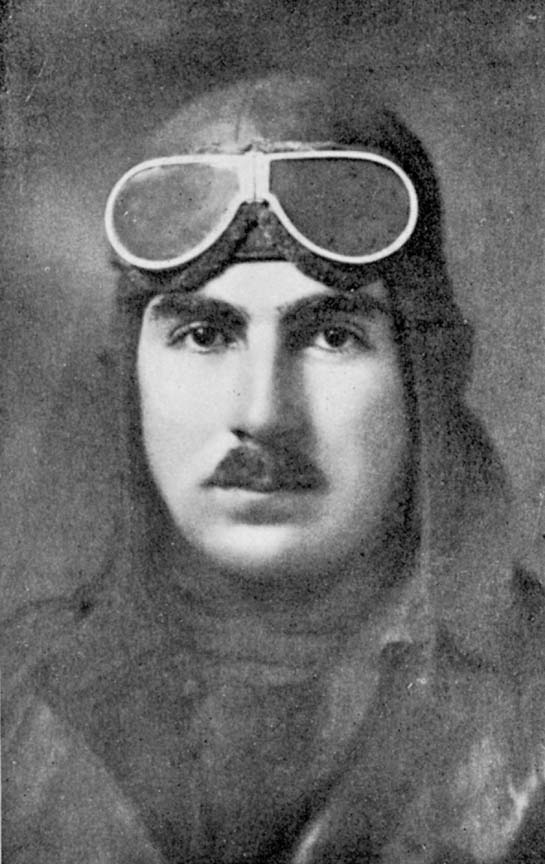
SON of Ernest W. and Susan (Swann) Bowditch, of Milton, Mass.; was born in Boston, Mass., Dec. 8, 1893. He was educated at Milton Academy, at Hotchkiss School, Conn., and at M.I.T. He enlisted at Camp Devens on Nov. 19, 1917, and was attached to the 151st Dépôt Brigade Infantry at Camp Devens. He was then sent to Cornell School of Military Aeronautics, Feb. 16 to April 20, 1918; to Camp Dick, Dallas, Tex., April 27 to May 21; to Carlstrom Field, Arcadia, Fla., May 27 to July 27; to Dorr Field, Arcadia, July 27 to Aug. 20; and to Barron Field, Fort Worth, Tex., Aug. 23 to Dec. 10, 1918. He was commissioned 2d Lieut. on Dec. 10, 1918, and on the same date discharged in the Reserve, at Barron Field. Fort Worth, Tex.
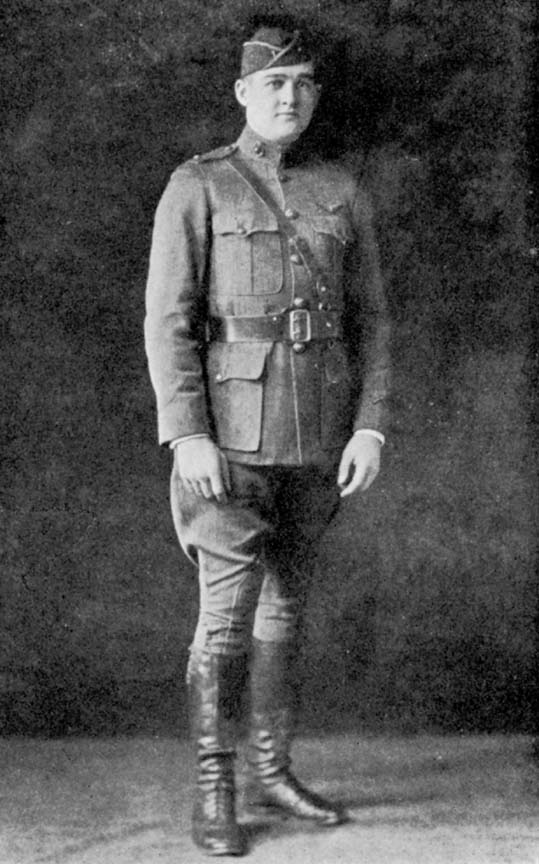
SON of F. Irvin and Eunice S. Davis, of Hartford, Conn.; was born in New Britain, Conn., April 1, 1898. He attended the Hartford High School, and Phillips Exeter Academy, where he won his "E" in football, 1916 and 1917, and "E" in hockey and in rowing, 1917. He enlisted May 19, 1917, at Newport, R.I. On Oct. 29 he entered the M.I.T. Ground School. He left for Pensacola, Fla., on Jan. 19, 1918, making his first flight there on Jan. 23. On April 23 he went to Miami, Fla., to take up land-flying with the Marines. On June 1 he was discharged from the Navy and the same day enrolled in the Marine Corps. Commissioned 2d Lieut. on June 7, with rank dating from May 28, 1918, and attached to the 4th Squadron, 1st Marine Aviation Force. On Sept. 17, 1918, he sailed overseas, and was stationed at La Frene, France, until the Armistice, attached to 10th Squadron, Northern Bombing Group. Returning to America, he was ordered home Feb. 1, 1919. Placed on the inactive list, U.S. Marine Corps, Reserve Flying Corps, from Miami, Fla.

SON of Oscar W. and S. Josephine Starkweather, of West Medford, Mass.; was born in South Boston, Mass., Aug. 29, 1891. He was educated in the Needham public schools, and at Bryant and Stratton Commercial School. He enlisted Sept. 5, 1917, at Cambridge, and trained at M.I.T. Ground School. He completed his course and training at Princeton, and later was sent to Love Field, Dallas, Tex. He was commissioned 2d Lieut. on June 6, 1918, and sent to Payne Field, West Point, Miss., and from there to Garden City, N.Y. Having received overseas orders, he sailed for France on Nov. 16, and finished his training at Issoudun, France.
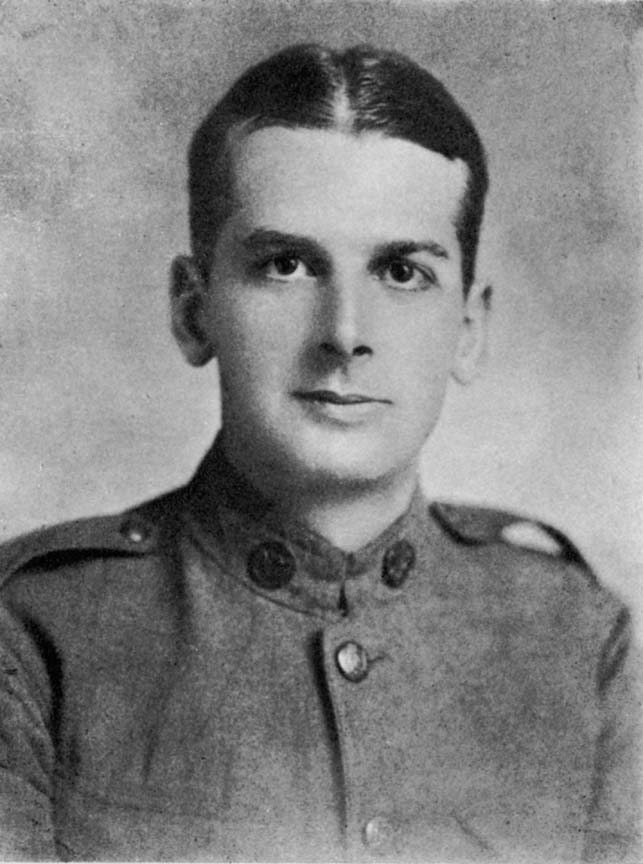
SON of William and Lila Wetmore (Courtney) Stanley; was born in Great Barrington, Mass., on June 19, 1891. He was educated at the Hotchkiss School, Lakeville. Conn., at Yale College, and at the M.I.T. He was on the Yale intercollegiate championship hockey team in 1908. Prior to the declaration of war he attended the 1st Officers' Training Camp at Plattsburg. On June 16, 1916, he enlisted in Squadron A, in New York City, for service at the Mexican Border. On his return he entered the Aviation Service. After training at the Princeton Ground School he proceeded overseas in the fall of 1917, was attached to the 2d A.I.C., at Tours, France, and to the Flying School of the 3d A.I.C. at Issoudun, France. Later he attended the school at Ford Junction, Eng. He was commissioned 1st Lieut., April 20, 1918. He was honorably discharged from the Service at Garden City, N.Y., Jan. 6, 1919.
SON of William and Lila Wetmore (Courtney) Stanley; was born in Pittsfield, Mass., Jan. 14, 1897. He was educated at the Berkshire School, 1909-14, Sheffield, Mass., and at Yale College, 1915-17. He played on the hockey and baseball teams at Yale. He enlisted at the Boston Navy Yard on May 21, 1918, and was assigned to the Ground School at M.I.T. He took preliminary training at the Naval Air Station, Miami, Fla., and advanced training at Pensacola, Fla., where he was attached to Squadron 5 as Instructor. On Dec. 1, 1918, he was commissioned Ensign, R.F. On Feb. 10, 1919, was placed on inactive duty at Pensacola.
Brother in Service
Gilbert Stanley, 1st Lieut., 96th Aero Squadron.

SON of Michael J. and Sarah A. Butler; was born in Boston, Mass., in 1898. He attended the public schools of Boston, and later became an expert automobile mechanic and salesman. In March, 1917, he joined the American Ambulance Field Service, Section 12, at Paris, and remained in the service of the French Army until the United States declared war. He was transferred to the U.S. Air Service as a cadet in July, 1917, and served in France during the remainder of the war. He was commissioned 2d Lieut. in June, 1918. He was honorably discharged at Long Island, N.Y., on May 31, 1919.
Father in Service ---
Michael J. Butler, Sergeant-Major, 11th Hussars, British Army; British Veteran of three wars; Egyptian Campaign. 1882-84; the Soudan, 1884-86; South African War, 1901-03.

SON of Henry W. and Mary J. Vogel; was born in Dedham, Mass., Feb. 6, 1897. He was educated at the Avery School, Dedham High School, the School of Business Administration and Finance, Boston, Y.M.C.A., and Boston University School of Business Administration. He enlisted at Boston on Dec. 18, 1917, and was trained first at S.M.A., Princeton, N.J., March 23 to June 22, 1918; at Air Service Flying School, Chanute Field, Rantoul, Ill., June 25 to Oct. 10, 1918, being commissioned 2d Lieut. on Oct. 2; at Payne Field, West Point, Miss., Oct. 12 to Nov. 7, 1918; and at Air Service Dépôt, Garden City, Field No. 2, N.Y., Nov. 10 to Dec. 19, 1918. He was honorably discharged at Air Service Dépôt, Garden City, on Dec. 19, 1918.
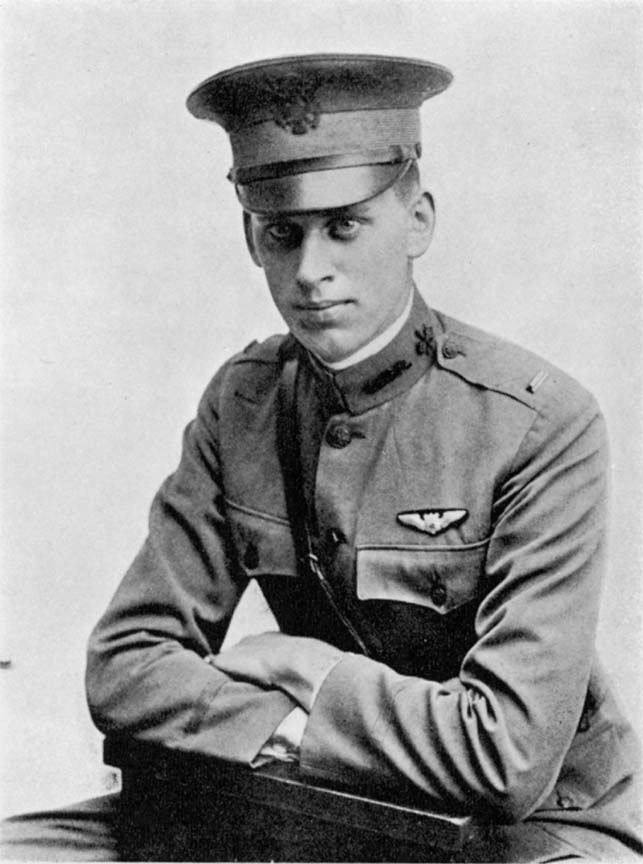
SON of George W. and Nellie H. (Forbes) Blanchard; was born at Somerville, Mass., July 30, 1895. He was educated at the Abington High School and M.I.T. At school he played football and baseball; and baseball at college. He trained with the Cadet Regiment, M.I.T. He enlisted Nov. 3, 1917, at Cambridge, and trained at M.I.T. and Princeton Ground Schools. He had flying training at Kelly Field, and Love Field, Tex., and took a gunnery-course at Dayton, O. He was commissioned 2d Lieut. March 8, 1918; sailed overseas and trained with the Royal Air Force at Montrose, Scotland, where he was attached to the 14th, or "Camel" Squadron, for service on the British front. He returned to America, and was honorably discharged at Camp Devens, Dec. 19, 1918.
Brother in Service
George Kinson Blanchard, 2d Lieut. A.S.A., U.S.A.
Grandfather: Served in the Civil War; great-great grandfather served in the Revolutionary War.
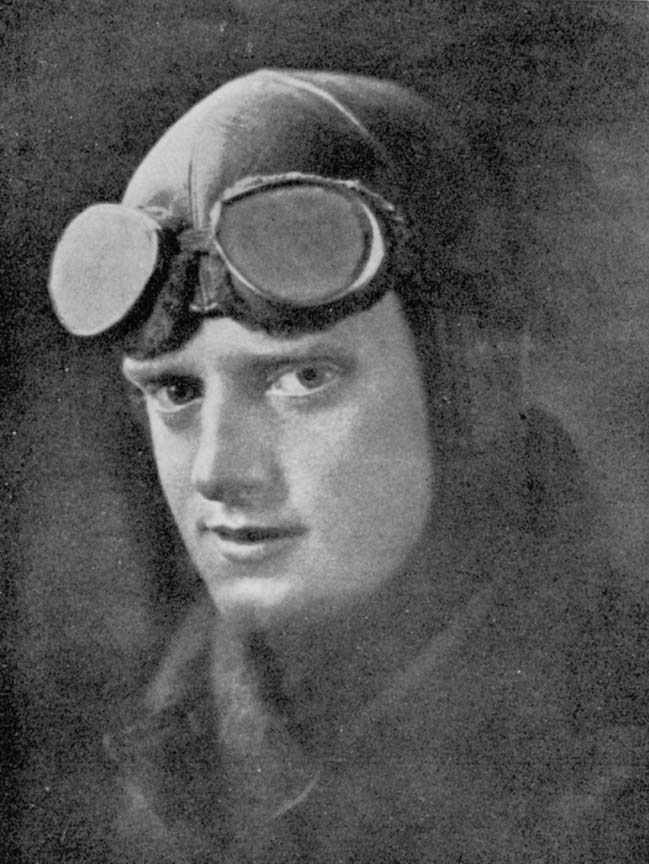
SON of George W. and Nellie H. (Forbes) Blanchard; was born at East Somerville, Mass., March 23, 1897. He was educated at Abington High School and Mass. Agricultural College, Amherst. He played football at high school and on the college team. He enlisted Nov. 16, 1917, at M.I.T., and had ground-school training at M.I.T. and Cornell. He trained for flying at Ellington Field, Houston, Tex., where he was commissioned 2d Lieut. on May 13, 1918. He was stationed for a short time at Love Field, Dallas, Tex., then went to West Point, Miss., for advanced flying. He was ordered overseas, and sailed from Hoboken in the latter part of Sept., 1918. He finished his training at Issoudun, France.
Brother in Service --
Carleton Woodman Blanchard, 2d Lieut. A.S.A., U.S.A.,
Grandfather: Served in the Civil War; great-great grandfather served in Revolutionary War.

SON of E. C. and Camilla L. (Stedman) Cleveland; was born at North Adams, Mass., Feb. 23, 1891. He graduated from Drury High School, and from the Fitchburg Normal School. On July 9, 1917, he enlisted at M.I.T. Ground School, and was attached to Squadron 9. He received primary flying instructions at Mineola, N.Y., and was then stationed at Gerstner Field, Lake Charles, La., Dec. 20, 1917, to Feb. 27, 1918. On Feb. 14 he was commissioned 2d Lieut. March 1 to April 1 he was at Camp Dick, Dallas, Tex.; then transferred to Carruthers Field, Fort Worth, Tex., where he was stationed April 3 to Oct. 22. There he was Instructor of Acrobatic Flying and had charge of the acrobatic field. At Fort Worth he was recommended for a Lieutenantcy. On Oct. 28 he reported t Garden City for overseas service, but failed to get across. On Dec. 14 he was ordered to Carlstrom Field, Arcadia, Fla., where he was stationed until he resigned from Service on Jan. 13, 1919.

SON of Guy de Forest and Lillian (Lyon) Barker; was born at St. Albans, Vt., March 25, 1897. He graduated from the St. Albans High School, class of 1914, and entered Norwich University in Sept., 1915. At the end of his first year, June, 1916, he enlisted in the U.S. Army for service in Mexico. He was mustered out in Sept., 1916, and returned to the University to finish his course in Civil Engineering. In Sept., 1917, he enlisted in the Aviation Section, U.S.A., at Boston. On Dec. 8 he was ordered to M.I.T. Ground School. In Jan., 1918, he was transferred to Cornell, where he completed the ground course, and was sent to Camp Dick, Dallas, Tex. In April, 1918, he was sent to Call Field, Wichita Falls, Tex., and at the end of his course there was commissioned 2d Lieut. ,July, 1918, and was assigned to the Bombing Division. He was then sent to Love Field, Dallas, Tex., where he remained until ordered to Garden City, N.Y., Nov. 2, 1918. He was then attached to the 74th Aero Squadron, Roosevelt Field, Mineola, N.Y.
SON of Walter B. and Helen B. Moore; was born at Lynn, Mass., Jan. 13, 1897. He attended the Huntington Preparatory School, and entered Dartmouth College with the class of 1920. He was a member of the Dartmouth Regiment in 1916, and took a course in Advanced Military Training in 1917. He enlisted at Boston, Mass., Feb. 28, 1918. He entered the M.I.T. Ground School, June 20, 1918, and was later transferred to the School of Military Aeronautics at Cornell University, Ithaca, N.Y., on Sept. 7, 1918. He was ordered to Camp Dick, Dallas, Tex., on Sept. 24, 1918. On Oct. 16, 1918, he was detailed to Fort Monroe, Va., to the Aerial Observers' School. He was honorably discharged at Fort Monroe on Nov. 26, 1918.
SON of Hiram J. and M. Louise (Russell) Potter, of Brookline, Mass.; was born at Lawrence, Mass., Jan. 23, 1895. He was educated at the Manor School, Stamford, Conn.; at the Brookline High School, Brookline, Mass.; and at Harvard College. He enlisted in the Air Service at Boston, Dec. 13, 1917. He graduated from the U.S. School of Military Aeronautics, Princeton, N.J., on July 13, 1918, with honors, standing first in his class. He was then ordered to Camp Dick, Dallas, Tex., where he remained until Sept. 10, 1918. Subsequently he was sent to Rich Field, Waco, Tex., for flying training. He was honorably discharged at Rich Field, Waco, Tex.. Dec. 7, 1918.
Married. July 15, 1918, M. Doris Hitchcock.