
IN the Balkans, the American Women's Hospitals' service began after the Turk---but not so long after. Following the Balkan Wars (1912-13), Macedonia was taken from Turkey and divided among the victorious allies. And five years later, during the World War, we participated in maintaining a hospital at Vodena, Greek Macedonia, near the Serbian border. After the armistice, this hospital was transferred to Monastir, Serbia, where it was known as the American Women's Hospital of the American Red Cross.
The Red Cross Commission to Serbia sailed on the Chicago, and my traveling companion, Dr. Alice B. Brown, took care of some of the members who were sick. Women physicians have no better friends in the world than the men who have been their patients, and the chances are that the Serbian Commissioners were prepossessed in our favor before they left the ship, and when they reached Serbia they found the story of the Scottish Women's Hospitals written in service all over that unfortunate country. Mr. C. A. Severance, the head of this Commission, soon after reaching the Balkans in 1917, cabled for women physicians. Dr. Regina Flood Keyes of Buffalo, and her cousin, Dr. Frances M. Flood of Elmira, N. Y., were selected and equipped by our committee to answer this call. Funds were appropriated to cover part of the cost of a hospital service conducted at Vodena, Greece, near the Serbian border, in coöperation with the American Red Cross. From the beginning there was difficulty in securing supplies, as the following cable indicates:
Amcross, Paris.
American Women's Hospitals of Amcross (American Red Cross), Vodena, Greece, Regina Keyes, Director, states unable to secure necessary supplies. We have fund received from American Women's Hospitals of $25,000 available for this hospital . . . . Kindly investigate and draw on us for this fund if necessary, charging expenditures against R. S. 2.
(signed) DAVISON.
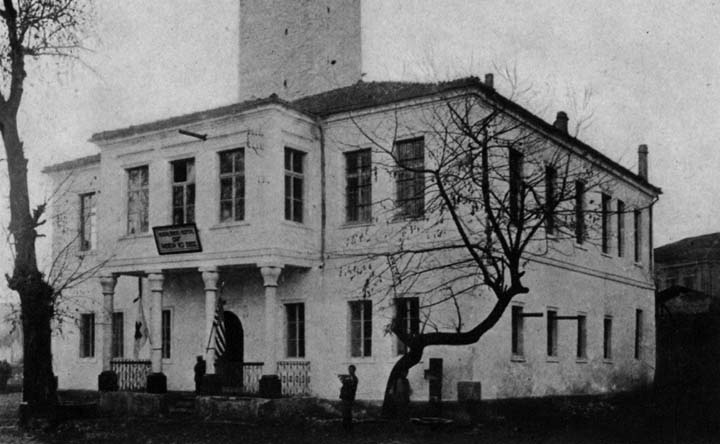
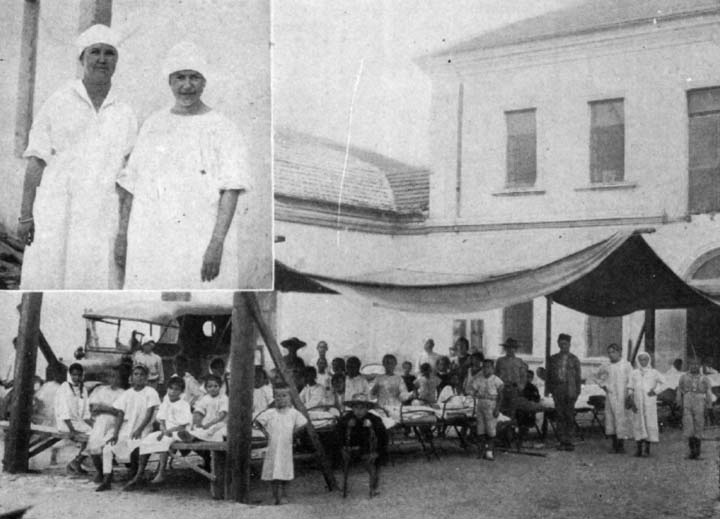
It was comparatively easy to work in France, where supplies could be secured, but in the Balkans no plan which involved transportation worked out according to schedule, and if supplies were not forthcoming it was necessary to improvise substitutes. Submarine activities in the Mediterranean prevented the delivery of equipment for the Vodena Hospital. Fortunately, Dr. Keyes was well supplied with instruments, and, with the aid of carpenters, tinners, and whitewashers, the hospital, which had been opened some time before in a Turkish schoolhouse, was renovated and put in working order.
Dispensaries were opened in connection with this hospital and Dr. Keyes, Dr. Flood, and their two American nurses, with a staff of native assistants, were kept busy from dawn until dark during the year 1918. About three thousand treatments monthly were given in these dispensaries, and the hospital was a haven of refuge for the desperately ill. The Balkans had never been well supplied with physicians, and many of those who had practiced in that country lost their lives during the Balkan and World wars. For these reasons there was a large number of neglected surgical diseases, and great was the joy among those with bona fide operative disorders, because, with only fifty hospital beds, the preference was given to such cases. "There is some soul of goodness in things evil," and a hernia, cured by an operation, which incidentally provided a patient with food and a bed for three weeks, or a month, was not altogether bad in a country where food and beds were daily problems of vital importance.
This was the only hospital in Vodena at that time where major operations were performed. There was a large variety of cases, and of nationalities-Albanians, Dalmatians, Greeks, Macedonians, Roumanians, Serbians and Turks. One Serbian pope of the Orthodox Church, with appendicitis, braved death for days before he would consent to be operated upon by a woman. Finally, when he was about finished, he committed his soul to his Maker, his body to the hospital, did his hair in a tight pug, paid proper respects to his beard, and in spite of these time-honored preparations for death recovered miraculously.
Ah! Here was food for meditation. If it pleased God to perform a miracle, the more unlikely the instrument, the greater the miracle. From time to time in the history of mankind these wonders were vouchsafed. After his miraculous recovery, the pope was strong for women surgeons. There was something supernatural about them.
On invitation of Colonel Jourdan, medical officer of the Seventeenth Colonial Division, French Troops, Dr. Keyes, with all the supplies she could muster, served in the medical corps on the Salonica front during the offensive of the Allied forces in 1918. She worked in a hospital near Dogai Pojar. The heat was intense, and swarming blowflies added to the suffering of soldiers waiting for surgical attention. Among the wounded were Germans and Bulgarians, as well as French and Serbians, all of whom were amazed to meet an American woman surgeon in the field.
When the Serbian refugees returned to their country after the Armistice, the Vodena Hospital was transferred to Monastir, Serbia, where large numbers of war prisoners, returning from Bulgaria, were suffering from typhus fever. An anti-insect campaign was conducted in this hospital with the result that insect-borne diseases were reduced to a minimum and the place became widely known as the Flyless Hospital of the Balkans.
 |
 |
While the typhus epidemic of 1914-15 was raging in the Balkans, the Scottish Women's Hospitals, under Dr. Elsie Inglis, sent units to different parts of Serbia to establish a medical service. Hospitals staffed entirely by women, providing for military and civil work, were opened at Vladanovatz and at other places.
During the final invasion by the military forces of the Central Powers, which precipitated the retreat of the Serbian Army, Dr. Inglis and her unit remained at Kragujevatz as prisoners of war, caring for the wounded, while the unit under Dr. MacGregor at Vladanovatz went over the top of the snow-covered Albanian range with king, government, army and part of the civil population.
For some reason not well understood by other nationals, Serbia celebrates her great retreats. Perhaps she has been obliged to retreat so often that she has developed a delicate appreciation of the feelings of the defeated and an understanding of the reactions produced by the celebration of military victories with blaring of trumpets, mocking and inciting the vanquished to further tests of strength.
Great national heroes are never permitted to sheathe their swords. Poor men! If they live in a spirit world of understanding with their earthly enemies, how tired they must be of the bronze misrepresentations of themselves standing forever on noisy corners in strained, unnatural attitudes with swords in their hands. The bloodiest battles are glorified in song, story and telephone exchanges. Millions of people in France are still yelling, Austerlitz 463, Jena 784, Wagram 572, and over the border in Germany millions are incessantly shouting in answer 9-0-9 Sedan! Nein! Nein! Nein! Waterloo!
During the war there were two sides to the world-embracing question: the right side, and the wrong side, friend or foe. But after the war the sides subdivided into as many angles as there were national, religious, commercial or political interests, all of these angles finding advocates among Americans sojourning in foreign lands. In addition to the American women physicians serving in our own hospitals, a large number were certified for service with other organizations in the Balkans, Russia, Poland and elsewhere. These level-headed women left the United States as impartial as jurymen just impaneled, but within a few months most of them developed sympathies with the peoples among whom they were working, and in order to maintain an even balance it was necessary for them to move occasionally across the border to a neighboring state with an opposite point of view.
The tragic monotony of the medical reports received from these women was varied by humorous incidents of daily occurrence. Dr. Dora E. Bowman of Kansas City was sent to Montenegro, where she served as a circuit-riding surgeon. "I make the rounds between three hospitals regularly," she wrote, "and I have done over three hundred operations, including almost everything in general and special surgery.
"We find work at all times and places. On the train a few days ago, just after we had made coffee on our sterno stove and eaten our dinner of black bread and sardines, a woman in labor was found in the corridor of the car. It took only a few minutes to get her into our compartment, and at seven-thirty we had a fine baby boy for our trouble. Of course there were no baby clothes, but we did the best we could under the circumstances. We wrapped the infant in swaddling clothes and named him 'Theodore Roosevelt.' "
In the early part of 1919 the American Women's Hospitals equipped and provided the salaries of four women physicians and a dentist, who were assigned for service with the Serbian Child Welfare Association. Mr. William F. Doherty, Commissioner of the Association, made the following statement regarding their work on his return to the United States from Serbia in 1920:
When I went to Serbia to organize the work I found confronting me at Chachak, the section selected for our public health and child welfare demonstration, a very serious condition of affairs. The Serbian government had turned over to us a large building capable of housing some four or five hundred children, but the building was in a frightful shape---absolutely devoid of furniture and equipment. In fact there was nothing in it but dirt and filth, and yet we had to get things into shape quickly, for there was a crying need in the neighborhood for the care of thousands of orphaned and sick children.
Immediately I sent orders to the South to Major Cressy to send me at once to Chachak doctors and nurses who could be counted upon to do things---and do them quickly. Major Cressy sent me Dr. Ridout, Dr. Caven and Miss Gregory, a nurse. I want to say now that he could not have made a better selection.
Short of an executive for our children's institute and urgently in need of a person who could clean up things and get the building quickly in shape, I put the proposition up to Dr. Ridout, and in spite of the fact that she was a physician and not a foreman of laborers she made good on the job. I have seen this woman at the head of a gang of Bulgarian war prisoners, scrubbing the floors and helping rid the building of filth, which was found in nearly every room, and after the day's work was over I have seen Dr. Ridout spending the night ministering to the sick children we had in care. Dr. Ridout is still on the job as executive in charge of our institution, and in addition she is the medical officer for two hundred children now inmates of the institution. And all this work she does cheerfully and uncomplainingly.
Dr. Caven was a "find," if ever I have seen one. She is a tireless worker, full of imagination and immensely interested in anything she tackles. When I organized our clearing bureau for children, to which we intended sending all of our newly received children for quarantine, observation, medical examination and treatment, I put Dr. Caven in charge of the work. Dr. Caven, in addition to being medical officer of the Clearing Station, likewise was its organizer and its first housemother. She herself superintended the cleaning of the floors and the setting up and making of the beds, and the bathing and cleaning of the children. Later, when we had opened the first health center at Chachak and found ourselves short of a physician, Dr. Caven generously agreed to divide her work so that she could spend the morning at the health center and the afternoon and evening at the Clearing Station. She it was who organized our infant welfare work. She it was who personally volunteered to make emergency calls to poor children and women in Chachak and the surrounding hamlets. She has made a success of the clinics, the dispensaries, and the infant welfare station. In addition she has helped us organize classes for instruction of Serbian women in elementary hygiene and home nursing, and she has organized the women of Chachak into an auxiliary Public Health Association.
Dr. Bercea, the dentist sent from your Association, is doing an extremely fine piece of work at our Skoplje Health Center. Her services are in great demand for the reason that Serbia has few dentists, and in addition to her regular duties at our Health Center, Dr. Bercea goes out two afternoons each week to treat the sick soldiers at the military hospital. Dr. Bercea has had to work overtime, as is readily understood from the fact that during the first twelve days of her activities she examined and treated nearly five hundred patients.
Down at Skoplje Dr. Kleinman is doing a mighty fine piece of work. She has a hard job, but she works uncomplainingly.
Just before I left Belgrade to return to America I had the pleasure of meeting Dr. Gray of your Association, and I told her of the splendid work the women physicians of your Association were doing for us. What I said to Dr. Gray I now repeat to you. I scarcely know what I would have done had I not had the loyal support and coöperation of the women physicians and nurses supplied by the American Women's Hospitals.
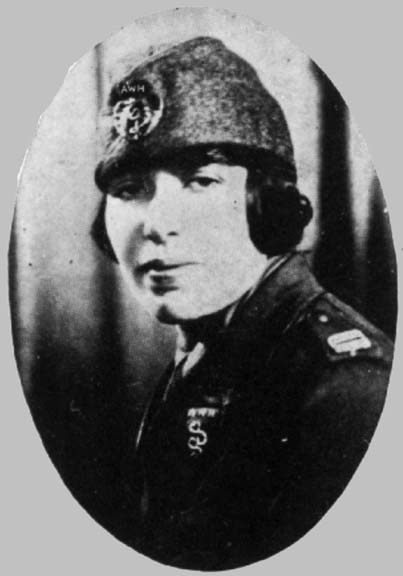
The reward of work is always more work, and we were requested to establish an independent medical service in Serbia. Dr. Etta Gray, of Los Angeles, President of the Medical Women's National Association, was sent to the Balkans as organizer and director of our work in that country. She was young, strong, a well-trained physician and surgeon, with a gift of the uncommon quality known as common sense. Of western pioneer stock, she probably inherited a capacity for pioneering, and there must have been a Mistress of the Robes in her background somewhere to account for her keen appreciation of good clothes. The women on her staff were capable and they looked capable from cap to shoes. This was important in the Balkans, where the outstanding woman of this generation is the good-looking, well-dressed Queen of Roumania.
Dr. Gray made a careful survey of the country. The seemingly neediest section was finally found in Macedonian Serbia, and the announcement of her intention to establish a medical service in the district, with a central hospital and headquarters at Veles, was received with pathetic expressions of gratitude and a very polite lack of confidence. Representatives of other organizations had surveyed that field, but had gone away and never returned.
The buildings for headquarters and a central hospital, granted by the local government, registered seven years' warfare. They were without windows, doors and woodwork, but the damage was not all due to explosives. Troops and refugees passing to and fro after military victories, or defeats, destroy all movable property. The doors and other woodwork of houses are used to keep their camp fires burning. This accounts for the thousands of skeletons of houses in the Balkans and near eastern countries.
When the matter of location was definitely decided, Dr. Gray went to Belgrade to complete arrangements. The government agreed to transport our hospital supplies and personnel, without charge, wherever trains were running. To expedite our work, different organizations with equipment at Belgrade, Salonica and other places made contributions. The American Red Cross gave large quantities of hospital supplies, the American Relief Administration gave food and clothing, the Czecho-Slavic Mission divided its war loot with us, and a generous share of the "booty" taken from the enemy was allotted to our hospitals by the government.
With several carloads of such material, Dr. Gray returned to Veles about the middle of November, 1919, and with the help of Dr. Laura Myers and Miss Freda Frost our central hospital and headquarters for Serbia were opened at that town, in the heart of a desert of destitution and utter wretchedness. This place was rarely visited by travelers. Practically the only contacts for almost three years were contacts with the sick and hungry, and the variety of life was made up largely of variety in diseases, some of which were experienced personally by the head of our service and her assistants in that district.
Headquarters might have been opened in the nearest large city, or in the capital of the country, but Dr. Gray had a fine sense of the fitness of things, and from her standpoint it was not fit that the head of a hospital service should live in safety and comfort while her staff lived in danger and discomfort. Besides, the object of the American Women's Hospitals was to care for the sick among those in greatest need, incidentally to carry on a health educational service, and to do as much as possible with the funds contributed for the purpose. Headquarters at Belgrade would have been advantageous in some respects, but the cost would have reduced our work in the field.
Getting our headquarters and personnel house in order at Veles was no small job. The court was cleared of débris and cleaned to its bedrock of cobblestones. The building was scrubbed, fumigated and whitewashed, a water supply provided, and shower baths improvised by the ingenious use of Standard Oil cans. Iron beds were set up, prim as Priscilla, their four little feet resting in milk cans with an inch of Creso solution.
Weeks before the hospital was opened, the sick began to apply for admission. A temporary clinic and dressing station was arranged to care for those suffering from painful minor ailments. The following is quoted from a report received from Dr. Gray, dated December 13, 1919:
Before we were moved into our house, the patients began to come and now they are coming in increasing numbers . . . . Such pitiful sights !---people with neglected sores and wounds who have had no treatment whatever for weeks. Terrible infections of all sorts and appalling eye diseases. It is terrible to look into the upturned faces of human beings who are sightless from neglect and to know that proper care at the right time would have saved them.
* * * * * * * To-day a little boy came trudging in to ask if we could help his brother. We told him to bring his brother in and we would see. An hour later the little fellow came in leading his brother by the hand. He was totally blind. The pity of it is that so many of these cases could have been helped. But now it is too late.
* * * * * * * There are a large number of tubercular cases, and many undernourished children ready to develop the disease. We tell their parents to feed them, but they haven't the food. We shall put in a feeding station for these sick children and we shall soon have a large number of day boarders.
A great many surgical cases were seen at the clinic every day, but nothing could be done to help these people until the hospital was ready to receive them. The repair work was undertaken by three young Serbians who had lived in the United States and who were all anxious to demonstrate the "American Move" to their countrymen. Their performance was the talk of the town, and the building was ready in short order. The "shower" of equipment made it possible to open the first hospital at Veles without waiting for supplies shipped from France. There was a shortage of many necessities, including bedsteads, but after all bedsteads are not necessities. The few that had been donated were used for surgical cases, and the other patients felt quite luxurious with their straw-filled ticks on the floor.
Showers of blessings continued, month after month. One English lumberman with a big business in the Balkans donated large quantities of lumber and personally attended to its delivery. The Serbians were not to be outdone in generosity even if they were poor. The spoils of war were in their hands. In addition to the "booty" from Belgrade, the local military bureau contributed its quota of materials "made in Germany," and brought into Macedonia by Mackensen. Our nurses were peace-loving women, but they were glad the enemy lost his surgical dressings, and somehow a booty bandage had a thrill in it which made it roll easier than an honest strip of gauze.
After shipping equipment from France, Dr. Hazel D. Bonness and Dr. Ellen C. Cover, with nurses who had served with the French unit, went direct to Veles. They were amazed at the amount of work already accomplished in spite of seemingly insurmountable obstacles. A letter written by Dr. Bonness soon after her arrival contained the following paragraph:
The house we are in is as comfortable as it is possible to make any house in Veles, and we are well fed and cared for. I am surprised and delighted with what Dr. Gray has been able to accomplish here in the face of so many hardships and difficulties. She has simply done wonders and I am frank to say that I know of no person who could have accomplished half so much under the same conditions.
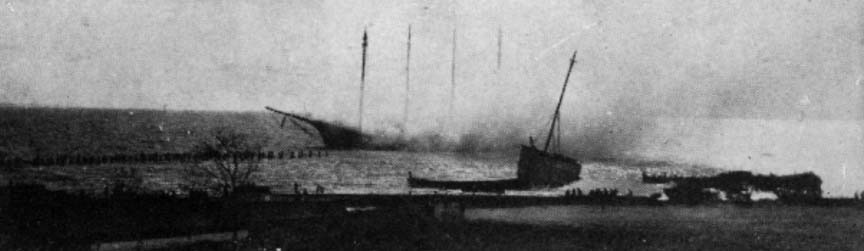
At last our ship arrived, the freighter Roye, with fifty thousand dollars' worth of equipment, and Miss Gertrude Lambert, who was sent to Salonica to arrange for transportation, stood on the quay overlooking the harbor while this ship and her precious cargo went up in smoke. Miss Lambert had bad luck that trip. She should have worn a blue bead. Somebody must have given her the evil-eye, for she came back to Veles empty-handed, with a high fever from diphtheria she had picked up en route, and raved for days about the burning of the Roye.
This disaster was heart-breaking, for our hospital was full all the time, and so many people were waiting for admission that a large building situated on the hill overlooking the town was being repaired to be used for children exclusively. Again the Serbian Government came to our aid and gave us three hundred bedsteads. This gift, with assistance from other quarters, made it possible to carry on until the loss sustained by the burning of the Roye was made good.

SKOPLJE, the old capital of the Serbian czars, where the famous code of Dushan the Mighty was presented to the Serbian Assembly in 1349, was the center of the "oblast" in which five of our hospitals and several clinics were conducted. The fame of Dushan the Mighty and his code is limited, for the most part, to those of Serbian ancestry. It has been transmitted from generation to generation by means of song and story, without the help of a written language. Much water and much blood had flowed down the Vardar since the Serbian Assembly met in 1349. For five hundred years Skoplje had worn a Turkish veil and her name had been called Uskub, but under her veil beat the heart of a Slav, and under her breath she chanted the glory of Dushan the Mighty and Marko the Martyr. Five centuries had not Turkified Skoplje, and after the Balkan Wars she threw open her lattice, pushed back her veil, discarded her tcharchaff and emerged a Slavian city.
The glory that was Greece still lives in literature and art; the glory which departed from Israel survives in religion and financial genius; but the glory which departed from Macedonia left no trace of its former existence in the different districts where we conducted medical relief work from 1917 to the present date.
During the dark age of Turkish occupation, Veles was called Koprili, but the name didn't take, and when a name doesn't take in five hundred years it ought to be changed. For seven years, beginning with 1912, this town and the surrounding country had been the theater of the military activities of three wars, and at the time our personnel arrived on the scene the town might more appropriately have been called Ichabod.
The first and second Balkan Wars were closely followed by the World War, and for this section of the earth's surface it was a World War in all the horror of actual experience. During the years of these three wars, soldiers from far and near, friend and foe, occupied this territory in turn. In alphabetical order there were Albanians, Americans, Australians, Austrians, British, Bulgarians, Cretans, Croatians, Dalmatians, French, Germans, Greeks, Senegalese, Turks, and Satan only knows how many others.
Wherever soldiers occupy a country they leave their blood not only on the battlefields but in the veins of the population for ultimate good or harm, according to its quality. In some of the Macedonian towns which were very completely occupied by the Central and other forces, the evidence of this occupation can be seen in ruined buildings and in striking types of fair children here and there.
Veles was named from the Slavic god of cattle, but there were few cattle left in the district when the Armistice was signed. Cattle must have grass, and grass does not grow and herds are not bred during periods of invasion. The fauna and flora of disease, however, and all the forces of germ life which make for death and destruction, flourish while these orgies of race suicide are at their height.
During the World War there was probably no place on the face of the earth with a larger variety of death-dealing insects than the Valley of the Vardar. A soldier is not so dangerous in himself as in the vermin and microbes he harbors. Generation after generation, century after century, he has been the host of all the different varieties, transporting them from place to place. The armies of many of the conquering heroes, including the Crusaders, from B.C. backward to the beginning, and A. D. forward to date, have camped on the banks of the Vardar and made their contributions.
The climate is ideal for the development of insect life, and for thousands of years conditions have been conducive to the introduction of the hardier strains. Skoplje is said to be the original home, the Garden of Eden, of the Family Cimicidae. This looks like an influential family on paper. Appearances on paper are sometimes misleading, but the Family Cimicidae is highly influential.
A few years ago the use of the word Cimicidae might have been of doubtful expediency, and Cimex lectularius absolutely taboo except in scientific papers. But in this age of the crossword puzzle Cimicidae will promptly suggest insects of turtle-form outline, flat during periods of hibernation, night raiders of noisome odor and---well, Skoplje is said to be their original home. They are called Skoplje beetles. The largest and fiercest specimens inhabit the best hotels. I have traveled far, but have never seen anything that looked and acted just like the Skoplje beetle outside the Vardar Valley, except at Washington, where all nations meet.
The Cimicidae is a harmless family in the Balkans compared with the Culicidae and the Pediculidae. These are the bad ones. A rose by any other name may smell as sweet, but these vermin by their scientific names don't sound half as bad as they actually are. The following is quoted from the Encyclopædia Britannica:
By Dec. 14., Serbian soil was for the third time entirely free from invaders, and an enormous booty was captured. But the enemy left deadly infection behind him, and by the early spring of 1915 exhausted Serbia was immobilized by a typhus epidemic which is estimated to have caused 300,000 deaths among the civil population.
This is interesting information. Serbia had successfully resisted the Austro-Hungarian military forces, but was "immobilized" by an army of body lice. A practical person naturally wonders why the enemy did not have sense enough to save his men and booty by sending an army of typhus-loaded lice in the beginning. Night rains of these vermin would have been much cheaper, easier and more effective than bombs. The above implication regarding the enemy does him altogether too much credit. Poor blundering enemy! He would gladly have annihilated the country. But his head wasn't working to its fullest capacity. He was depending altogether too much on his hands and feet. He was lucky if he left all the deadly infection behind him. The chances are he took some of it home with him to mock his later years and plague his children.
The use of vermin and pestilence as a means of coercing an enemy has highly honorable precedent. Moses with divine sanction used this argument against Pharaoh and lived to tell the tale. After a miraculous series of national calamities, including a plague of lice, and a plague of flies, Moses stood before Pharaoh, and, as spokesman for the God of the Israelites, delivered a terrible ultimatum including the following: "For now I will stretch out my hand, that I may smite thee and thy people with pestilence and thou shalt be cut off from the earth."
Insects have had an enormous influence in the history of the Balkans and other parts of the world. Flies, lice, fleas, gnats and mosquitoes are among the greatest enemies of mankind. They are allies of war and famine, retainers of pestilence, carrying typhoid, typhus, sand fly fever, tuberculosis, malaria and many other forms of disease.
Among the three most famous men connected with the history of the Balkans are Dushan the Mighty, Suleiman the Magnificent, and Alexander the Great. These were supermen lifted above the rank and file of humanity like the flowering century plant above the grass of the field. Such types are seldom seen upon the earth, but they are mortal and die like common men. Dushan the Mighty, Czar of the Serbians, had conquered most of the Balkans and was marching on Constantinople with his army when he was taken sick and died. Suleiman the Magnificent extended the glory and dominion of Turkey to its farthest point, and died while conducting a siege in Hungary. These great warriors were not killed in battle. They died of disease, which was probably carried by insects.
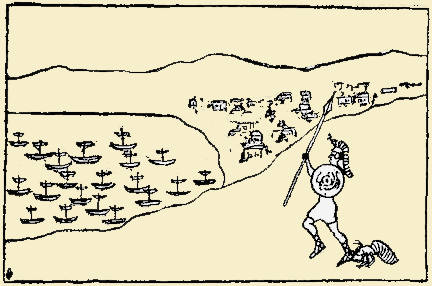
About nineteen centuries before this time, Alexander the Great had conquered the known world, after which he built a thousand ships for the purpose of exploring the waterways around his empire. If that dauntless son of Macedonia, longing for new worlds to conquer, had set sail on the waters which led to the Pacific, and had lived out his natural term of threescore years and ten, instead of dying at the age of thirty-three with his life work just begun, the star of empire might have continued its way eastward. But just as he was about to embark on this voyage of exploration, it is recorded that he developed a fever and died on the eleventh day. A diagnosis from this distance is difficult, but death from fever on the eleventh day suggests typhus. The thought is a humiliation to all mankind. Could the fate of the world have hinged on the bite of a louse?
OUR plans for the development of a chain of hospitals and dispensaries in Macedonian Serbia were subject to the rapidly changing conditions of a country recovering after years of warfare and enemy occupation. Permanent hospitals had been opened at Monastir by Serbian agencies, and the urgent need at that point had been relieved, but at Strumitza and Prelip no provision for the sick had been made. At the request of the Serbian Department of Health we consented to conduct hospitals at those points, with the understanding that the Serbian Ministry provide a small part of the budget. Again the Red Cross came to our help with supplies. The following excerpt is from a letter of instruction written by Dr. Kendall Emerson, at Paris, to Major Lyon at Belgrade:
I have had a satisfactory talk with Dr. Gray of the American Women's Hospitals regarding the property at the Monastir Hospital. As you know, this hospital was established and has been run as an American Women's Hospitals' enterprise, with the coöperation of the American Red Cross. The exact status of the original equipment I have not strictly in mind, but the American Women's Hospitals certainly contributed largely to this equipment. With this fact in view, you are authorized to consult with Dr. Gray as to the disposition of equipment of the hospital, and any solution which you and Dr. Gray shall make will be acceptable here.
From the beginning to the end of our service in Serbia the American Red Cross was generous in gifts of supplies, in many instances delivering carloads of material at our headquarters, and relieving us of the cost and responsibility of transportation. Without this help, it would have been impossible for the American Women's Hospitals to have functioned so promptly and effectively. On May 14, 1920, Dr. Gray wrote as follows:
We have been in Veles six months, and in that time we have treated 16,000 persons in our clinic. We have opened a hospital and every bed has been full, and patients on the floor all the time. About 100 patients daily are received at the Pristina clinic, and at our station at Podujevo about 2,000 cases a month have been cared for since last January. We are also running a clinic at Gratchnitza. At Pristina we have a hospital and hope to be able to move into a new building before long. Lumber for the repairs of this building is being sent to-day. The Children's Hospital on the hill above Veles is ready for occupation, and before you get this letter it will be in full swing.
Our work in Southern Serbia increased rapidly, and by the end of 1920 thousands of cases were being reported monthly. Dr. Lilla Ridout had been placed in charge of the hospital at Prelip; Dr. Mary Elliott of Chicago was head of the Strumitza Hospital, and Dr. Irene Tognazzini was running the Pristina Hospital with the help of two American nurses.
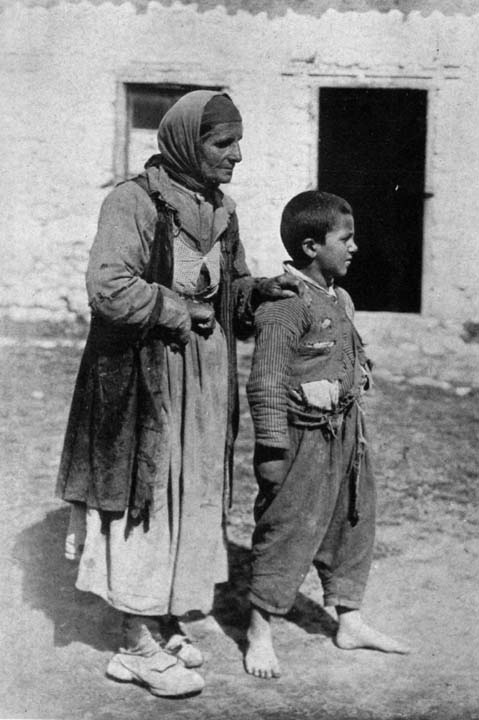
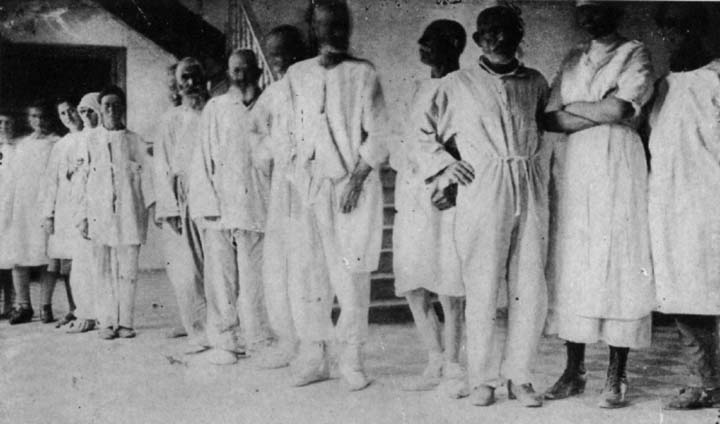
Under the direction of Dr. Gray, assisted by Drs. Hazel D. Bonness, May T. Stout, Marguerite White, Mary N. Bercea and Miss Freda Frost, head nurse and general supervisor, with a corps of American nurses, Veles became an important medical center, especially for surgical work and children's diseases. Patients came from all directions, sometimes walking for miles and reaching the hospital in a state of complete exhaustion. We have a report of one boy who walked fifteen days slowly leading his sister, who could not see, to the eye clinic. Many of the sick and disabled came in ox-carts, or on donkeys, and those who could not afford to pay for lodgings at the world's worst hotels sat outside the hospital walls and waited until beds were vacated.
Chronic surgical cases had been accumulating in that district for years. Such hernias! The country had been stripped of its horses, and men and women had become pack animals. Under the heavy weights which these burden bearers carried on their backs their abdominal walls gave way, and all kinds of hernias resulted, some of which were of enormous size, containing part of the abdominal viscera. Without treatment these unfortunate people got worse or died. If the rupture was small and an intestinal loop became strangulated, the victim suffered agony and died promptly. But where strangulation did not occur, the abdominal contents escaped, little by little, through the opening, and the hernia increased in size month after month and year after year.
Dr. Gray, in her surgical cap and gown, with a choice selection of scalpels, forceps, scissors, needles and thread, bandages and anæsthetics, was a popular lady with the hernia brotherhood. One after another they came to be operated upon and sometimes sat in the court for a week waiting for a bed.
A Comitadji chieftain from the mountains, a regular "he-man" with emphasis on the he, appeared at the hospital one fine morning. Everybody knew him and made way. With his band of brigands he had helped take the Bubuna Pass from the Bulgarians, and his service has glorified a criminal record of many years. Like Drake, Morgan and other dear old pirates and bandits of the past, whose natural gifts and initiative had been developed in active private practice, he was highly qualified when the time came to answer his country's call.
This nationally acknowledged dare-devil, and leader of dare-devils, looked the part as he walked among the common men in the hospital court. Times had been hard for several years, but he wasn't wearing any cast-off American clothes. The Macedonian costume was his native dress, and he was proud of its color and its cut. It had a style of its own. Every part of his picturesque suit, from cap to opankes (sandals), bristled with personality. His movements had grace and swank. In physical type he stood between Apollo and Hercules, with an "eye like Mars to threaten and command." The sound of his voice was known and feared in the Macedonian mountains, and great was the curiosity in the men's ward and the women's ward when it was whispered that he, too, had a weak spot, an Achilles' heel, as it were, in his groin.
Men, guns or governments had no terrors for our brigand chief. His life had been an open defiance of constituted authority, but the first whiff of ether in the distance and he was a changed man. He had heard about the stuff and he was afraid it would get him unaware. The hernia threatened his life, and worse, it would make him a physical weakling, therefore he had decided to take the chance, live or die. But he didn't want to die ingloriously breathing devil fumes. Milder than a lamb for the sacrifice, he allowed the assistants to strap him to the operating table. Fortunately, they strapped him well, for after the first few whiffs of ether he found himself in his fiercest mood, and if his arms had been free he might have reached out a giant hand and wrung somebody's neck. His language was not understood, but his tone and vehemence were piratical, strangely suggesting a North Pacific whaler of the old school, trained before the mast, in the first throes of an anæsthetic.
The American nurse giving the ether could not pronounce his Macedonian name, but Willie is a good name for all big men who are afraid in the dark, and over and over in a low mothering croon, she repeated: "Breathe it in, Willie, there's a good boy. Don't be afraid, take a long breath." Gradually his violence subsided, his aspect changed and another dangerous personality emerged. This bad boy brigand turned good. There was method in his murmurs. He was going on a long journey through a strange country where there were evil spirits, werewolves and all kinds of unknown dangers. He was afraid to go alone. Perhaps he could coax one of these women to go with him. His voice became soft, cajoling, pleading and irresistible, as drop by drop the ether fell on the cone over his mouth. The little Macedonian nurse understood his language. After the manner of women, she felt sorry for this strong, weak man, so she slipped her hand into his and he held tight to this world while he floated away into oblivion---and when he came back he hadn't any hernia.
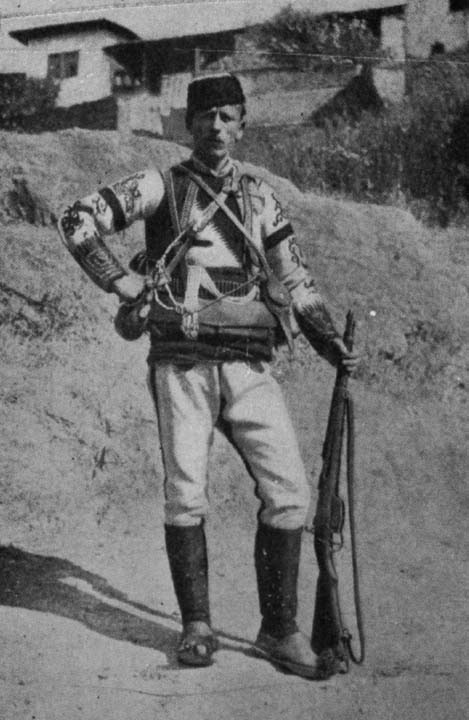 |
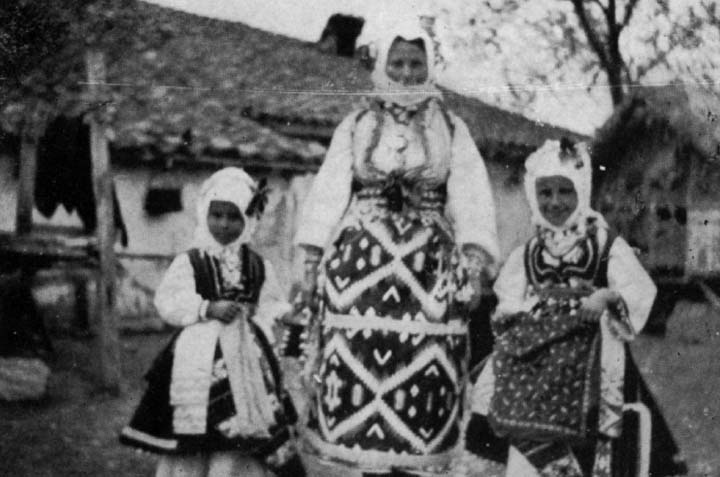 in National Costume |
 |
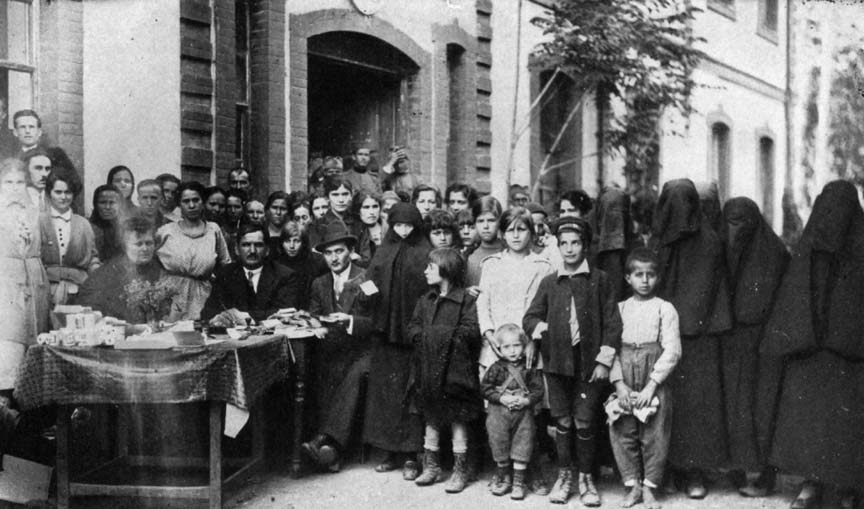 Turkish women heavily veiled. |
The story of the Children's Hospital at Veles is the best and brightest page of the history of our work in Serbia. When countries declare war, they declare war chiefly on their children. These little ones are not killed with shot and shell---nothing so merciful. Famine and pestilence are their portion. They die slowly from diseases incident to malnutrition. Maimed and suffering, many of those who were hard to kill came to the Children's Hospital on the hill with bone, joint and glandular disorders resulting from protracted undernourishment.
Our physicians had been trained in America, where most people have enough to eat all the time, and they were amazed to see children with seemingly incurable diseases begin to get well as soon as they got half a chance. The following is taken from a letter received from Dr. Gray in the spring of 1921:
We have at present 160 children and shall be able to take at least 30 more. They come from all over Serbia, but most of them from Macedonia, where there is the greatest need . . . . It would be a pity to close, for we do not know what we would do with these pathetic little children. We have a lot of Pott's disease, and tuberculosis of the joints, and these cases are doing so well. They improve more rapidly than such cases do at home, and it is a great gratification to watch them day after day. The poorest, skinniest little things come in, and as soon as they get proper food and care, they gain so fast.
These little patients had all been kept in close quarters, and at first their mothers strongly objected to their sleeping out of doors. It was useless to argue with them. The improved condition of the children soon silenced their objections. They had good food, clean beds, warm clothing, playthings, a wonderful sun court, and a Christmas tree with presents at the proper season.
Time after time it seemed as though we should be obliged to close our hospitals in Serbia for lack of funds, but saving angels hovered over this work, and made it possible to carry on. In January, 1921, the following letter from the Ministry of Social Politics of the Kingdom of Serbs, Croats and Slovenes, was received at our headquarters at Veles, translated, and sent to the home office:
DOCTOR ETTA GRAY, MEDICAL DIRECTOR,
AMERICAN WOMEN'S HOSPITALS,
VELES, SERBIA.Dear Doctor Gray:
Your mission came to our country when relief was most needed, for the enemy had left on all sides devastation and ruins and our population famished, naked and destitute. As a result of this situation the children suffered mostly, for they were defenseless.
Your help, medical treatment and hospital service saved us a great number of our children's lives. For this our Ministry expresses our deepest gratitude and begs you to ask your friends at home---the philantrops of our children---to make it possible for your mission to continue until our institutions are stronger and able to take over your well-organized hospitals and continue your work.
The Ministry thanks you once more for the relief and medical help given until the present time, and begs you to influence your organization to continue your work here.
By order of the Minister of Social Politics,
(Signed) V. PETROVITCH, Chief.
After inspecting our hospitals and dispensaries in the spring of 1921, a representative of the American Relief Administration recommended that clothing for 24,000, children be assigned to us. This order was reduced to 10,000 pairs of shoes and stockings, an ample supply of underclothing and materials out of which 20,000 suits for children were made at Skoplje. We employed a large number of women to do this work, and the clothing was distributed from our stations in the Skoplje Oblast.
Patients with appalling eye diseases were among the first to appeal for help when our clinics opened in Serbia. There had never been an oculist in the country, and cataract cases had accumulated. People do not die of cataract. They gradually go blind while remaining in good physical health. The fact that this condition is curable adds greatly to the tragedy of it when it is impossible to get proper treatment. One of the most tragic figures I ever met in a book had black hair and white eyes. In Macedonian Serbia, a large number of people had black hair and white eyes, and many of them sat in darkness day after day by the wayside begging like blind Bartimaeus. Ages of disappointment had not destroyed their hope and faith. They, too, believed in miracles, and their prayer was always the same: "Lord, that I might receive my sight."
And in the district round about Veles, this prayer was answered. A woman was sent from America who could give them back their sight. And the man with the greatest faith came first. A slight but skillful operation was performed, and after a few days, the light which had been shut away for so many years reached his center of vision and he could see. The story of this seeming miracle was passed from person to person. The blind came in increasing numbers, and over four hundred were operated upon for cataract and their sight restored.
The emergency nature of the American Women's Hospitals' service in different countries has precluded the possibility of keeping complete records. The available reports, covering about two-thirds of the work actually done in Serbia, show that 3,996 eye and ear cases were cared for, and that 1,068 operations were performed for the relief of eye diseases.
Dr. Mary N. Bercea was the head of our dental work. She was the only dentist in the Veles district. Children were preferred patients at the dental clinic, but young soldiers, especially officers, appreciated the value of good teeth, and there was always a waiting list of such men, and a long line of other people, including Turkish women wearing black tcharchaffs and heavy veils.
The country had been Turkish for centuries, and habits of mind and dress are not so quickly changed, especially, among women. Progressive men are often very conservative regarding women's clothes. Whatever the reason may be, a great many women in Serbian Macedonia were wearing a mouth covering symbolizing modesty; not a dainty gauze yashmak, but a thick mouth mask, and behind this mask lurked pyorrhea.
From the beginning of our work in Southern Serbia, nurses were trained to care for the sick. This plan conserved our funds and gave the work a permanent value. A large number of young women applied for service in our hospitals, and the best educated and most intelligent were selected. Eight years of warfare had left most of them so poor that they were without shoes. These girls were grateful for food and clothing, and particularly for instruction. Nurses' training was an innovation. There was a strong prejudice against nursing, due to a Mohammedan point of view, and to the social status of women in that country who served in hospitals. This attitude was modified in regard to our hospitals for the reason that a measure of chaperonage was afforded which protected the reputations of the girls in our service, to the end that their matrimonial prospects were not jeopardized.
This part of Serbia was passing through a process of readjustment under a new government. As a result of the Balkan Wars a large section of Macedonia had been acquired from Turkey, but a state of war had been almost continuous since its acquisition. During its military occupation by the Central Powers, the people were naturally wondering whether they were Bulgarian or Turkish, and the majority of them were not yet sure that it was safe to be Serbian.
Many interesting angles---national, political, social, racial and religious---were exhibited in unexpected quarters. Tribal customs and superstitions were not without advocates. The gypsies exhibited the least anxiety. They didn't seem to care whether they were Serbian, Bulgarian, Greek or Albanian. In any case, they would eat, tell fortunes and furnish the music for the national dances and religious festivals.
In addition to the training of nurses, we were asked by the government to conduct classes for Serbian women in district nursing and child welfare, in coöperation with Serbian physicians, who were to instruct these women in obstetrics. On the surface, this program was all very fine, but there was an undercurrent of opposition made up of the forces which stand for things as they are, and the forces which stood for things as they were in Macedonia were weird-looking forces from our point of view.
The midwives held a paradoxical position, and were naturally opposed to the medical education of young women, which, in time, would put an end to their peculiar power. Some of them belonged to this day and age, and were fairly well qualified, but most of them were queer old "Babas" held in low esteem, but wielding enormous influence in the community. The Witch of Endor, with her various brews, had no less power for evil than some of these "Antikas."
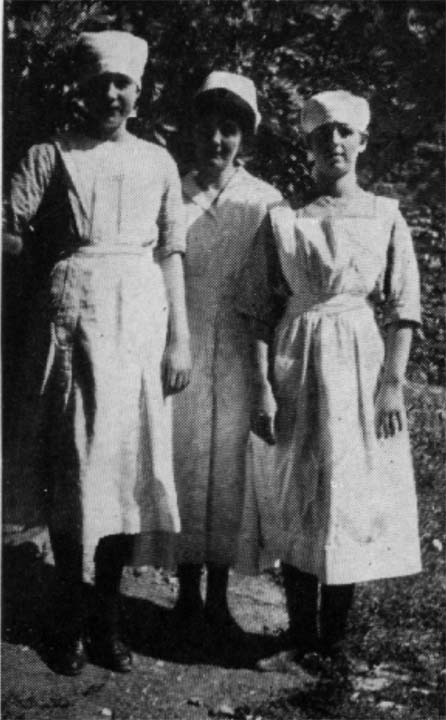
Miss Lucy Morhous was the head of our first nurses' training class, which was started in Veles in January, 1920. The student nurses were not up to the standard of our present-day American student nurses, but they were up to the standard of our student nurses at the time of the beginning of nurses' training in the United States as a nationwide educational movement. Some of these young women displayed remarkable aptitude, and in a short time learned to take orders in English and to care for minor cases. Dr. Gray was enthusiastic about them as her letter of March 4, 1920, indicates:
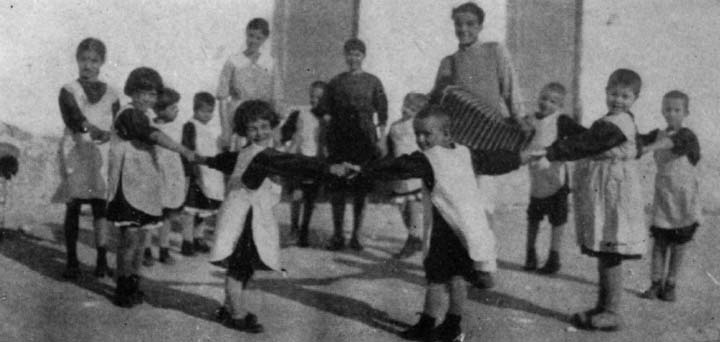
We are sending you a picture of Miss Morhous and her class of nurses. There are fourteen of them and they look so well in their blue dresses and white aprons. They have been in training a little over a month, and they do practically all the routine work in the dispensary and hospital, under the supervision of American nurses.
The training class grew with the hospital and dispensary service. Mrs. Ella WT. Harrison was sent to Veles in February 1921, as general supervisor, and Mrs. Marian P. Cruikshank went out as Dr. Gray's surgical nurse, and took over the surgical training of the student nurses. On account of exceptional ability, some of these girls were sent to Belgrade when the Government training school for nurses was established, and the first probationer accepted at our Veles Hospital without shoes on her feet, is one of the leading pioneer trained nurses in Serbia to-day.
Our hospitals, clinics, dispensaries, and distributing stations for clothing were in full swing when I visited Serbia in August, 1921. The government coöperated with us in every way, even to the point of assigning a pope to offer religious consolation to our patients, and a special cemetery in which to bury our dead. While passing through the men's ward of the Veles Hospital, the startling blare of a railway engine was heard in the distance, and the nurses sprang to the bedsides of patients recently operated upon and held them down, while all the others jumped out of bed and rushed to the windows in the greatest excitement. My first thought was fire. Later I learned that one of the advantages of being operated upon at that hospital was seeing the "Americanski" railway engine when it went by about once a week.
 |
 |
 |
 |
An encouraging letter regarding the climate of Veles written by a wayfarer in a springtime mood described the place as, "a picturesque town nestling in the arms of green hills," but when I was there in August, it was sizzling in a caldron of granite. Of course, we slept out of doors, and at the break of the first day, I was awakened by a man's voice close above our heads shouting: "Allahu Akbar! Allahu Akbar!"
It was Mustapha, the muezzin, on the minaret which overlooked our yard, proclaiming repeatedly that Allah is greatest, and there is no God but Allah and Mohammed is His prophet. Five times a day beginning at dawn and finishing after dark, he appeared on that balcony in the performance of his religious duties, and the rest of the time he worked as janitor at the Children's Hospital.
We were proud of our Mustapha, and he was ashamed of us sleeping out in the open with our bare faces under his very eyes, and proving to what lengths women will go if they get the chance. Alms to the poor was part of his creed, and in this particular he approved our plans, pointing out the true path in other respects to some of our personnel, but the Moslem religion is a man's religion, and he didn't make any converts.
Mustapha was a very poor janitor, but there wasn't a better muezzin in the Vardar Valley. Clear as a bell his voice rang out over the hills at dawn calling the faithful to prayer, incidentally indicating the daylight-saving time, and thereby regulating the activities of the district.
Immediately after his call on the first morning, the roosters began to crow, the magpies in the big tree in the corner of our yard began to chatter, the sun rose and the town was stirring. A little later our gates were opened, the clinic patients began to arrive, and work was started for the day. After observing this routine for a week, I realized who ordered the days and nights at Veles.
Mustapha cut a picturesque figure with mop and bucket. The first time I saw him he wore a high white fez, a union suit with auxiliary safety pins and a pair of slippers without socks. But on the minaret in the moonlight he was a different man---a revelation to the yard-sleepers. His silhouette in the bowl of night seemed part of that towering spire and all it represented. When the moon hung low this shadow of Islam was cast over our quarters, and to drowse in the dead of the night and watch it creeping stealthily among our sleeping figures was a weird experience.
"Allahu Akbar! Allahu Akbar!"---Allah is greatest! The muezzins were making this announcement from minarets in Veles two hundred years before the Mayflower arrived at Plymouth Rock, and the chances are this ceremony has rarely been omitted. According to Mustapha, when the Balkan Allies took Veles from the Turks, and all the evils from which the world has suffered since began, they shot the first muezzin who appeared on the minaret and began the call. Fortunately, this emergency had been anticipated. Another muezzin stepped out to continue the ceremony and was promptly shot, a third stepped out, took up the chant and met the same fate, and a fourth came out and finished the call. Faith had won. The infidels were defeated. At least they stopped shooting. Perhaps they were out of ammunition. More likely they lacked the nerve for a hundred per cent massacre, and nothing less would have served the purpose.
Surrounded by dangers of different kinds, the only imminent danger to our staff was from insects, and this danger had been reduced to a minimum. Successful measures were in operation against the crawling varieties, but it was not so easy to control the activities of winged insects. Every night we tucked the bottoms of our canopies well in under our mattresses, and with lighted candles, we crawled around on our hands and knees, hunting and killing every mosquito on the inside. Mustapha observing this strange behavior from the minaret probably thought we were engaged in some sort of a wicked religious rite, and was more than ever convinced that our system was all wrong.
Fear of a disease does not induce that disease in my case. Actuated by fear, I killed every mosquito that got under my canopy and I didn't get the malaria that time, but the sand flies got me. Most of the personnel had had sandy fly fever, and one attack manifestly produces immunity. While the fever ran high, it seemed to me that the whole world was chanting. The Turks in a nearby café played on a queer instrument and chanted in a minor key. A poor woman whose son had died walked to and fro chanting her sorrow, much of which related to some clothes she had recently purchased for him. Peddlars moved along the streets chanting the qualities of the things they had to sell; the cook chanted about the onions and carrots in the soup while she worked; the turtle doves chanted; a great flock of magpies that slept in our big tree chanted every evening, and from out of the darkness, the dusk and the dawn there came a voice forever chanting: "Allahu Akbar! Allahu Akbar!"---Allah is greatest!