
SON of Robert Treat and Florence (Brooks) Whitehouse; was born in Portland, Me., on Aug. 9, 1895. He graduated from Harvard College in 1917.
He volunteered for Naval Aviation at the Charlestown Navy Yard on April 16, 1917, and was at once assigned to the Dirigible Training Camp at Akron, Ohio. After six months' training, he was graduated as a balloonist and Dirigible Pilot, being among the first six officers qualified for that service in America. He received his commission as Ensign on Oct. 31, and in Nov., 1917, was ordered overseas.
He was stationed at Rochfort-sur-Mer, France, where he remained for two months, and from there he was transferred to Paimbœuf on the south side of the Loire River, where the largest lighter-than-air station on the coast of France was situated. There he organized the first meteorological weather bureau station for air service on the coast of France. Subsequently he was sent to England to make a special study of aviation gunnery at the leading English stations. On his return to Paimbœuf, he was detailed to patrol the coast for submarines and convoy the transports to the port of St. Nazaire. He was one of the officers on the dirigible ordered to convoy the George Washington with President Wilson on board, into the port of Brest. He was promoted to Lieut. (j.g.) on March 29, 1918, and to Lieut. on Oct. 1, 1918. For the last four months of the war Lieut. Whitehouse was Chief Pilot at Paimbœuf. Before he left for the U.S., he was appointed to compile the history of all the American Naval Air Stations in France.
Lieut. Whitehouse was given his inactive service papers at the U.S.N. Air Station, Bay Shore, N.Y., on March 8, 1919.
Brother in Service ---
Robert Treat Whitehouse, Jr., Ensign, U.S.N.R.F.C., U.S.N. Air Station, Le Croisic, France.

SON of Robert Treat and Florence (Brooks) Whitehouse; was born at Portland, Me., Jan. 10, 1897. He was educated at Phillips Exeter Academy, and at Harvard College. At college he was a member of the 1919 cross-country team, and belonged to the Harvard R.O.T.C. During his sophomore year he enlisted at Newport, R. L, on May 11, 1917, in the U.S. Naval Reserve, for active duty on patrol boats. On Oct. 1, 1917, he was transferred to Naval Aviation, and assigned to the Ground School, M.I.T., with Flight 6. On Dec. 1, 1917, he was sent to the Naval Air Station, at Hampton Roads, Va., for flying instruction. He was later ordered to Pensacola, Fla., for further training.
He was commissioned Ensign, N.R.F.C., on Feb. 12, 1918, and sailed overseas in March. He was then assigned to the Naval Air Station at Moutchic-Lacanau, France, for a four months' course on seaplane piloting and bombing. Subsequently he was transferred to the Naval Air Station at Le Croisic, on the northwest coast of France, at the mouth of the Loire River, near St.-Nazaire, the port at which a large portion of the American troops disembarked. Here he was on active submarine patrol duty from July 11 to Dec. 12, 1918, as seaplane pilot, flying the (French) Tellier type of seaplane, convoying Allied ships, patrolling, and bombing submarines. He returned to the U.S. on Dec. 24, 1918, and was placed on inactive duty in the U.S. Naval Air Force, Jan. 9, 1919. He then completed his course at Harvard College.
Brother in Service ---
William Penn Whitehouse, 2d Lieut. U.S.N.A.F., Chief Pilot, U.S. Naval Air Station, Paimbœuf, France.
SON of the Rev, and Mrs. Joseph B. Read; was born at Lyme, N.H., in 1887. He attended the public schools at Lyme. and later the Whitman High School, Whitman, Mass., from which he graduated in 1903. He was immediately appointed to the Naval Academy at Annapolis, and graduated with high honors.
As an Ensign, he saw considerable service on various battleships and cruisers. In 1908 he was sent to the Pacific Station, serving there until 1911, when he was ordered home from Nagasaki, Japan. In July, 1915, when interest in Aviation was being stimulated by the Great War, he was sent to the aeronautical station at Pensacola, Fla., for a course in Aviation. At that time he held the rank of Lieut. In May, 1916, he was detached from the Aviation Service and sent to the battleship North Carolina, but he was ordered back to air work again in June, 1917, when he was placed in charge of the Air Station at Bay Shore, N.Y.; he was then a Lieut.-Commander. When the battleship North Carolina was equipped with hydroplanes for experimental flights from the decks, Lieut.-Commander Read and Lieut. -Commander Bellinger were assigned, with others, for special service, and visited the Navy Yard at Portsmouth, N.H. While he was there, Lieut.-Commander Read had an accident: his plane fell, and he was thrown into the water, but escaped injury. Subsequently, he served at several naval air stations, including those at Rockaway Beach, Montauk, Garden City, and Port Washington, N.Y.
While he was stationed on Long Island during the war, he was in charge of a number of important tactical air manoeuvres, and made many flights offshore while the German submarines menaced the coast. At this time he was also on the staff of the Chief of Naval Operations at Washington, and was detached for temporary duty in connection with the camouflaging of seaplanes at Hampton Roads, Va.
In March, 1919, he was selected to command one of the three NC planes in the first trans-Atlantic flight, and joined Commander John Henry Towers and Lieut. -Commander Patrick Nelson Lynch Bellinger at Rockaway. On May 8 he left Rockaway at 10.04 A.M. in the NC 4 for Halifax, N.S., but was forced down off Chatham, Mass., by motor trouble. His plane rode the sea all night, and put in at Chatham Bay in the morning. On May 14 he left Chatham for Halifax at 9.05 A.M., arriving at 1.15 P.M., flying 340 miles in 4 hours and 10 minutes. On May 15 he left Halifax for Trepassey at 9.52 A.M., but was compelled to land on the water thirty minutes later, at Storey Head. The NC 4 arose again at 11.47, and arrived at Trepassey at 5.37 P.M., having made a flight of 461 miles in 8 hours and 45 minutes elapsed time, or 6 hours and 20 minutes actual flying time. On May 16 he left Trepassey for Ponta Delgada, Azores, at 6.07 P.M., arriving at Horta, Azores, at 9.25 A.M., on May 17, and completing a journey of 1200 miles in 15 hours and 18 minutes. On May 20 he left Horta for Ponta Delgada at 8.40 A.M., arriving at 10.24 A.M., and making the trip of 150 miles in 1 hour and 45 minutes. He was held up for a week by bad weather, but on May 7 left Ponta Delgada for Lisbon at 6.18 A.M., arriving at 4.01 P.M., flying 800 miles in 9 hours and 43 minutes. On May 30 he left Lisbon for England at 1.24 A.M., but, after flying 100 miles, was forced to land at the mouth of the Mondego River on account of engine trouble. He resumed flight at 9.38 A.M., and arrived at Ferrol, Spain, at 1.45 P.M., having travelled 330 miles in 11 hours and 21 minutes elapsed time. On May 31 he left Ferrol at 27 A.M., arriving at Plymouth, Eng., at 9.6 A.M., flying 475 miles in 6 hours and 59 minutes, and completing the trans-Atlantic voyage, the first successful venture of its kind in the world's history.
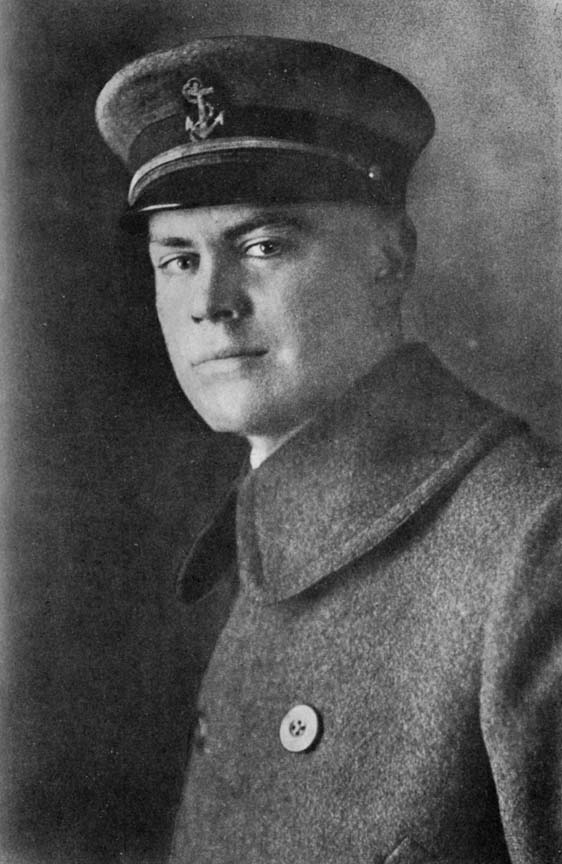
SON of Mr. and Mrs. John H. C. Church; was born at Great Barrington, Mass., Nov. 26, 1896. He graduated from the Berkshire School, Sheffield, Mass., in 1915, and attended the Sheffield Scientific School, Yale, class of 1918.
He enlisted on April 16, 1917, at Newport, R.I. Until Oct. 29, 1917, he was in active service with the Naval Reserve, driving a car for a medical officer. From Feb. 18, 1918, to April 29, 1918, he trained at the Naval Aviation Ground School, M.I.T. From April 30, 1918, to May 2, 1918, he trained at Akron, Ohio. On May 2, 1918, on his first balloon flight, he was thrown from the car when it struck a tree, and his back was broken. He was on sick-leave from May 2 to June 12, 1918, at the hospital in Warren, Ohio, and was honorably discharged on Oct. 25, 1918. He is still living, but helpless, at his home in Great Barrington, Mass., being paralyzed from the waist down.
SON of Edward Rogers and Caroline Bartlett (Tirrell) Hastings, of Milton, Mass.; was born at South Weymouth, Mass., June 19, 1893. He was educated at Milton Academy and at Harvard College. He enlisted at Cambridge, Mass., on Nov. 12, 1917, and was assigned to the M.I.T. Ground School, where he remained from Nov. 24, 1917, to Jan. 6, 1918. He was then transferred to Princeton, N.J., where he was stationed from Jan. 6 to Feb. 2, 1918. He received further training at Camp Dick, Dallas, Tex., from Feb. 2 to April 1; at Chanute Field, Rantoul, Ill., from April 1 to July 2; and at Brooks Field, San Antonio, Tex., from July 20 to Sept. 7. He was subsequently ordered to Call Field, Wichita Falls, Tex., where he remained from Sept. 7, 1918, until Jan. 3, 1919, instructing, and transporting aerial mail. He was commissioned 2d Lieut. at Chanute Field, June 12, 1918, and appointed Instructor. He was honorably discharged on Jan. 3, 1919, at Call Field.

SON of George R. and Harriet (Graves) Fearing, of Boston, Mass.; was born in New York City, Feb. 20, 1871. He attended the Cutler Preparatory School, N.Y., graduated from Harvard College, A.B. 1893, and from the Harvard Law School. He was a member of the Harvard track team four years, football team one year, crew one year, and was once U.S. champion in court tennis, and five times at racquets (doubles).
He attended the First Officers' Training Camp at Plattsburg, and in Feb., 1916, enlisted in the Mass. Naval Militia, Aviation Section, and trained at Marblehead, Mass., receiving instruction in Aviation at Misery Island for two weeks in Sept., 1916.
Early in 1917 he was elected to the Mass. Public Safety Committee, as head of Aviation Section of Committee on Naval Affairs. This committee examined about 1000 candidates for U.S. Naval Aviation, accepting about 350, who entered the Naval Reserve Flying Corps. On May 7, 1917, he enrolled in U.S.N.R.F. as Ensign, having resigned from the Mass. Naval Militia on the same day.
He was ordered overseas Aug. 16, 1917, to Paris; from there he was ordered to Houstin, Gironde, a French flying school, and placed in charge of the American aviators in training there. About Nov. 1 he was transferred to Paris to the U.S. Naval Aviation Headquarters.
He was commissioned Lieut. (j.g.) as of Feb. 1, 1918; and Lieut. as of March 23, 1918. Lieut. Fearing was made liaison officer with U.S. Air Service; also one of executive committee of five of Naval Aviation; in addition, he served as a Naval member of the Foreign Committee of Aircraft Production Board while it functioned; he was subsequently made Chief of Aviation, U.S. Naval Aviation Foreign Service. He removed to London when the U. S. Naval Aviation Headquarters was transferred, and acted as head of the Planning Section there. He was promoted to Lieut.-Commander, as of Sept. 30, 1918. Returning to the U.S., Lieut.-Com. Fearing was placed on inactive duty, Jan. 14, 1919.
Married, March, 1897, Hester Sullivan Cochrane.

SON of Frederick Prentiss and Edith (Allen) Forster, of Milton, Mass.; was born in New York City, March 21, 1889. He was educated at Groton School, Groton, Mass., and at Harvard College, A.B. 1911. At Harvard he rowed on the freshman eight-oared crew in 1908, and on the 'Varsity four-oared crew in 1909 and 1910. Previous to the war he served two and a half years in Squadron A, Cavalry, National Guard, N.Y., and six months in the 2d Battalion, Naval Militia, N.Y.
He enlisted in the French Army Aviation Service on June 21, 1917, and was assigned to the Lafayette Flying Corps. He trained at Avord, France, from June 22 to Nov. 24, 1917, graduating as "Caporal Pilote" on Nov. 1, 1917. He was then ordered to Pau, where he remained from Nov. 27 to Dec. 17, 1917. On Dec. 19 he was transferred to the Aviation Dépôt at Plessis-Belleville and stayed there until Jan. 27, 1918. From April to July, 1918, he served at the front on patrol duty. After he had spent the required number of hours over the enemy's lines, he was promoted to "Sergent Pilote" on May 16, 1918. He worked with Division Nieuport and Spad, and on June 1, 1918, was attached to Escadrille, C 74, Section Spad, Br. 224, Section Spad, Spa 102, and Spa 15, G.C. 13.
He was transferred to the U.S.N.R.F., with an Ensign's commission, on July 19, 1918. He served at the Dunkirk Station from Aug. 8 to 24, 1918, and then attended the Bombing School at Boscombe, Devon, Eng., from Sept. 7 to Oct. 22, 1918, learning to fly big machines. He was then ordered to Calais, France, with the Northern Bombing Group. He was honorably discharged at Boston, Mass., on Feb. 26, 1919.
Brothers in Service ---
Frederick A. Forster, 2d Lieut., U.S.A., 305th Infantry; killed in accident.
Horace W. Forster, Capt., U.S.A., Troop K, 2d Cavalry, A.E.F.
Reginald Forster, Private, U.S.A., 11th Field Artillery, A.E.F.
Gardner Forster, Driver, Italian Ambulance Field Service.
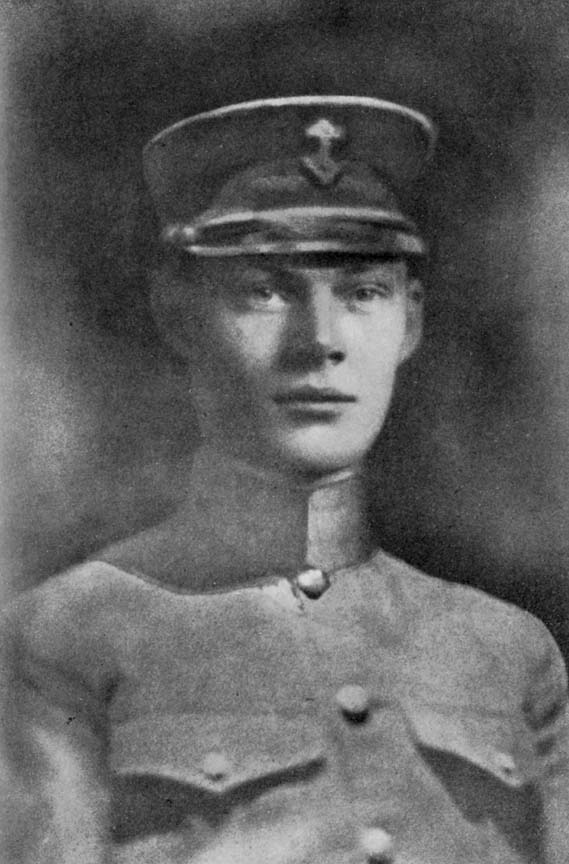
SON of George S. and Grace M. Parker; was born at Salem, Mass. April 13, 1897. He attended the public and private schools of Salem; graduated as president of his class, from the Hackley School, Tarrytown, N.Y., and entered Harvard College, class of 1919, where he remained until the end of his sophomore year, when he left to enter business with his father, in Parker Bros. Inc., of Salem and New York. At college he played football, baseball, and hockey.
He attended the Officers' Training Camp at Plattsburg in the summer of 1916, receiving his diploma on Aug 8. On June 18, 1918, he enlisted in the U.S. Naval Aviation Detachment at M.I.T., Cambridge, Mass., attached to Co. 28, which graduated on Oct. 7, 1918. After three months of training, he died of pneumonic-influenza on Sept. 21, 1918, before finishing this course. His record called forth high praise from his Commanding Officer, who wrote to Parker's family regarding his admirable work.
Pr. Parker's record here was excellent, both in academic work and in his aptitude for the Service, and there is no doubt that he would have proved a great credit to our school and the Navy at large had his life been spared.
Married, Dec. 15, 1916, Ruth Comfort Mansfield, of Brookline, Mass.
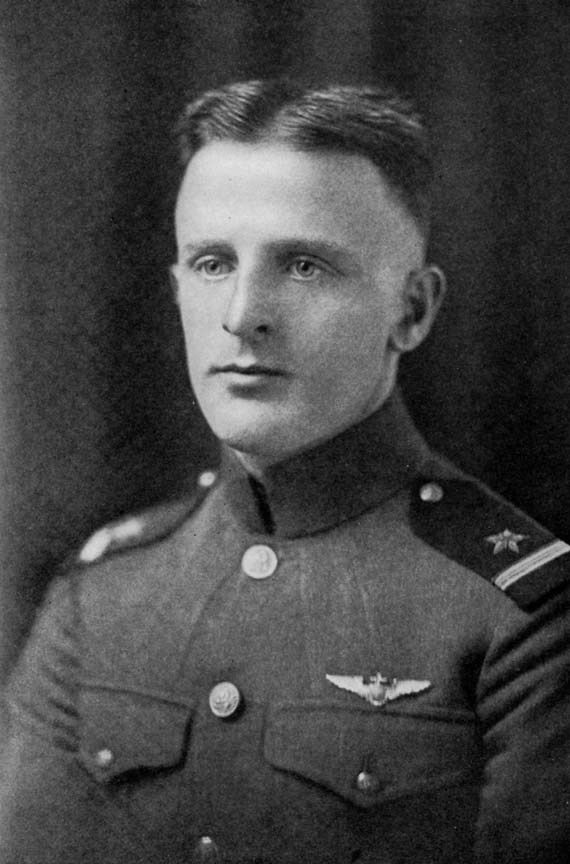
SON of Thomas and Mary J. McCormack; was born at East Boston, Mass., Jan. 8, 1897. He was educated in the public schools of East Boston, the High School of Commerce, Boston, and at the Mass. Agricultural College. He was coxswain in his junior year at the High School of Commerce, and won medal for high jump at interscholastic meet in 1912.
He enlisted in the Naval Aviation Detachment at M.I.T., on May 9, 1918, and after ten weeks' training there, was sent to Key West, Fla.; then to Miami, and subsequently to Pensacola, where he was commissioned Ensign on Dec. 11, 1918.
On Feb. 7, 1919, he was killed with two other naval aviators, when the seaplane in which they were flying fell into Pensacola Bay. The machine was seen in a nose-dive over the channel, but nothing was thought of it until the men failed to return; then an alarm was sounded and the wreckage was discovered. The bodies were later recovered, and Ensign McCormack was buried at Winthrop, Mass.
Ensign McCormack wrote home enthusiastically of his work:
Flying is wonderful! I had my first "hop" on Tuesday, just at sundown, and I really cannot do it justice. After climbing to 2000 feet, spiralled down to 1500, nose-dived to 1000, and then glided, long and easily, to the water with the "stick" (propeller) purposely dead. It only lasted nine minutes, but in that time we covered fifteen miles. I was n't at all afraid, and all my senses were alive to new sensations.
"Taking-off," leaving the water for the air, was far different than I expected. Just a deliciously free sensation, accompanied by great speed, excessive wind pressure, the roar of the exhaust, and the slight tilting and bucking of the plane as she first takes the air. You climb steadily and gradually higher and higher, taking care all the time to keep on the course. Soon the harbor unfolds beneath you. We are now approaching the fort and soon pass directly over it and on and out over the ships. Our air speed has varied from 85 to 95 miles an hour, but our tachometer and thermometer indicate a healthy engine condition.
We now bank and turn sharply to the right; the floor of the ocean is plainly seen and several sharks and porpoises are easily seen. We dart through a low-hanging cloud and glimpse on the far horizon several white sails. Directly before us stretch the Keys for miles and miles, and in the west a large red sun is sinking.
The cloud effects are wonderful, and we do some tall thinking.
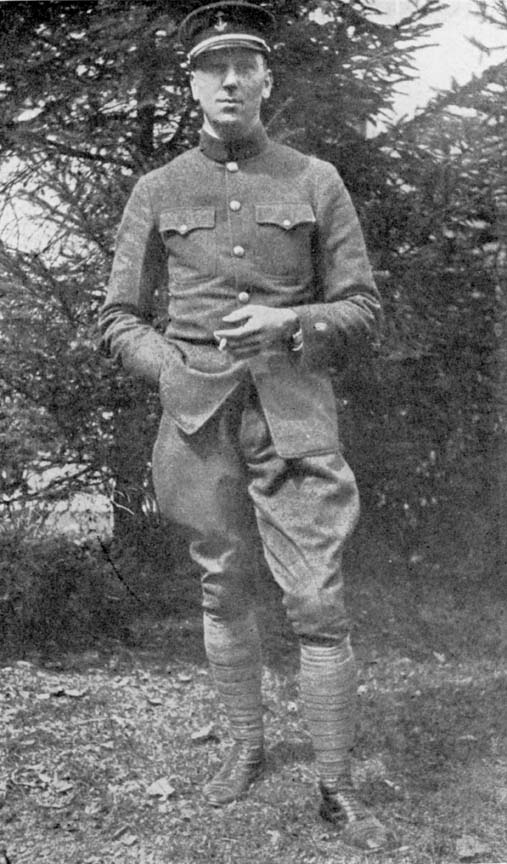
ENLISTED in April, 1917, at which time he was a senior at Cornell University. He entered the coast patrol, and served on a patrol boat in Long Island Sound. In Oct., 1917, he transferred to the Naval Aviation Service, and was sent to the M.I.T. Naval Aviation Ground School. Upon completion of the course there, he was transferred to the Naval Air Station, at Bay Shore, N.Y. He was commissioned Ensign, U.S.N.R.F. On May 4, 1918, he fell in his hydroplane, and his skull was fractured. He recovered from this accident, although the injury to one eye prevented him from further flying. He was subsequently appointed a ground officer, and stationed at Pensacola, Fla.
SON of Nathan and Emma F. Miller; was born at Fall River, Mass., May 14, 1889. He was educated at the Durfee High School and at Phillips Exeter Academy. He enlisted in the Air Service at Boston, Mass., on Jan. 16, 1918, and was assigned to the M.I.T. Ground School. He received further training at Camp Dick, Dallas, Tex.; at Carruthers Field, Benbrook, Tex., and at Barron Field, Everman, Tex. He was commissioned 2d Lieut., March 10, 1919, and honorably discharged from the Service at Barron Field, Everman, Tex. March 12, 1919.

SON of George F. and Ida M. Rogers, of Roslindale, Mass.; was born at Cambridge, Mass., Oct. 9, 1893. He was educated at the Medford High School and at the Mass. Institute of Technology. At the high school he won honors in French. Previous to enlisting he took a course in Aviation at the M.I.T. He was a sergeant in the Boys' Brigade at Medford, and was attached to the Church Cadets in high school.
On May 25, 1918, he enlisted in U.S. Aviation, at Cambridge, Mass. He was trained at Miami, Fla., being attached to the 8th Squadron. He was then sent to Pensacola, Fla., to finish his flying courses. He was commissioned Ensign, and had just completed his training when he was taken ill and died at Pensacola, on Jan. 8, 1919. He is buried at Forest Hills Cemetery, Mass.
Ensign Rogers worked very hard and with great enthusiasm for the Service that he loved. He had intended remaining in Aviation after the war, had he lived.
SON of Charles Willie and Flora (Hutchinson) Cheney; was born at Brookline, Mass., Dec. 29, 1897. He was educated at the Mohegan Lake School, the Volkmann School, and at Harvard College, where he trained with the Harvard R.O.T.C. On May 29, 1918, he enlisted at the Boston Navy Yard, and was assigned to Co. 24, at the M.I.T., for the ground school course, from May 31 to Aug. 20, 1918. He was sent to Miami, Fla., where he was trained, from Aug. 23 to Oct. 26, in elementary flying. For advanced work in flying he was ordered to Pensacola, Fla., where he remained from Oct. 28 to Dec. 28. He was then transferred to Hampton Roads, Va., for work in aerial navigation. He was stationed there from Dec. 30, 1918, to March 6, 1919, and was commissioned Ensign, U.S.N.R.F., Jan. 13, 1919. He was relieved of all active duty at Hampton Roads, March 8, 1919.

SON of Neil Ellsworth and Ella J. Buchanan; was born at Boston, Mass., Oct. 31, 1895. He was educated at the Rice Grammar, Mechanic Arts High School, arid at the Mass. Institute of Technology.
He served at the Mexican Border from July 2 to Oct 28, 1916, with Battery F, 1st Mass. Regiment, F.A., N.G.
On June 13, 1917, he enlisted in the U.S.N.R.F., for Aviation, at Boston, and was trained with the U.S. Naval Aviation Detachment, M.I.T., from Aug. 9 to Sept 29, 1917; and at Pensacola, Fla., Oct. 4 to Dec. 22, 1917. On Dec. 22, 1917, he was appointed Naval Aviator, No. 276, at Pensacola; and served at Pensacola in that capacity until Feb. 9, 1918. On Jan. 17, 1918, he was commissioned Ensign, U.S.N.R.F., and was ordered overseas to France, Feb. 7, 1918.
Lieut. Buchanan saw service in France at U.S.N.A.S., Moutchic-Lacanau, Gironde; Panillac; Le Croisic, Loire; and St.-Trojan, Charente-Inférieure. He won the Croix de Guerre for a number of rescues made in the Bay of Biscay, famous for its perilous winds and waves, and for many other attempted rescues in near-by regions. He was commissioned Lieut. (j.g.) on Aug. 5, 1918.
He sailed for the U.S. on Dec. 22, 1918, and was detailed to the U.S.N.A.S. at Chatham, Mass., where he remained up to the time of his death.
Lieut. Buchanan was drowned in Cape Cod Bay on April 25, 1919, the day of the parade in honor of the 26th Division. With him were Ensign John G. Howard, of Rochester, N.Y., and Electrician Bernard Tornes. The plane was one of a patrol which had been performing in the air above the parade, and was returning to Chatham Air Station, with a heavy gale blowing. Carrier pigeons brought back the news that their engine was disabled, and rescuers searched in vain for them. The plane was wrecked and the three aviators drowned.
One of the last things Lieut. Buchanan did after the parade, before leaving for Chatham, was to circle the house in Boston where his family were watching him, and as he made a turn to the south he waved them a last greeting.

SON of Anselm Arthur and Elizabeth A. (Bradlee) Ostridge; was born at Watertown, Mass., April 18, 1893. He attended the public schools of Watertown, and graduated from Boston College in 1917; at college he played on the football team, and during vacation time was for two years Life Guard, at the Metropolitan Parkway, at Watertown.
On May 14, 1917, he enlisted at Boston, Mass., and on June 26 was sent to Pensacola, Fla., for training; there he was commissioned Ensign, Dec. 21, 1917, and ordered overseas. Arriving in England he was stationed at Calshot and Benbridge, and subsequently at Wight, and at Lough Foyle, Londonderry, Ireland; later he was transferred to Queenstown, Ireland. On Oct. 1, 1918, he was commissioned Lieut. (j.g.). He returned to the U.S. and was stationed at Hampton Roads, Va., and then at Chatham, Mass. He had been but about three weeks stationed at Chatham, when he was lost in a seaplane accident, on May 19, 1919
Lieut. Ostridge was present at the garden-party given in London on June 7, 1918, for the American officers, and was one of a group to be photographed on that occasion, with the King and Queen of England. Since his death his memory has been especially honored by the Town of Watertown.

SON of Adrian Alexander and Adele Randolf (Liberick) Lingard; was born at Boston, Mass., Nov. 7, 1891. He attended the Middlesex School, Concord, Mass., where he rowed on the crew and played on the football team. He graduated from Harvard College in 1913, and entered the Law School, leaving there in the middle of his second year. At Harvard he played on the 'Varsity football team, and was rated the second strongest man in college.
In the spring of 1917 he worked at the Fore River Ship Yards, where he remained until his enlistment, Sept. 12, 1917, at Washington, D.C. On Oct. 1 he entered the Naval Aviation Ground School at the M.I.T., and, after completing the course, he finished his training at Pensacola, Fla. In April, 1918, he was commissioned Ensign, and on April 20 was detailed to the station at Chatham, Mass., for patrol duty, pending foreign orders; soon after his arrival he was made Ordnance Officer, in addition to his other duties, and was in charge of this department up to the time of his death.
For six weeks during the U-boat trouble, Chatham, the only Air Station on the coast from Cape Cod to Canada, had only eight pilots available for a patrol of 12,000 square miles, covered from daylight to dark. Most of these pilots (including Lingard) flew seven or more hours daily.
Lingard's participation in the U-boat attack off Orleans, Mass., is described in the following extract from the Service Record issued by the Commanding Officer of the U.S. Naval Air Station, Chatham, Mass. Jan. 3, 1919:
Ensign Eric LINGARD... was the first aviator to ever engage an enemy vessel on this side of the Atlantic. This was on July 21, 1918, when a German submarine shelled a tug and four barges off Orleans, Mass. Lingard was the first pilot to reach the scene, flying one of the H.S. boats, and Special Mechanic Howard,* who was his observer on that flight, said: "Lingard is the most wonderful pilot I ever rode with. He flew exactly over the centre of the submarine." The bomb dropped within a few feet of the submarine. If the bomb had functioned, the submarine would have been done for.
(Signed) P. B. EATON
Captain of Engineers, U.S.C.G.
Commanding*"Special Mechanic Howard, " an expert on Liberty motors (which he tested as they were installed), had flown with pilots of every Air Station on the Atlantic coast. Howard was later assigned to the NC IN as Engineer for the first trans-Atlantic flight, but a few hours before the start his hand was cut off by the propeller.
Lingard, with Ensign E. M. Shields, assistant pilot, and E. H. Howard, observer, was over the U-boat fourteen minutes after being ordered out for combat, and flew as low as 400 feet into the enemy's gunfire, facing destruction from his own bomb which was designed for altitude of 1500 feet. The U-boat, 250 x 30 feet, used six-inch and anti-aircraft guns. After Lingard had spent his one bomb, he "stood by" without ammunition of any kind, and with a shaky plane, circled low over the U-boat to mark the place, and keep the U-boat firing at him and therefore "awash," until the arrival of Captain Eaton, whose bomb also failed to function. Although the U-boat was not destroyed, yet the Chatham Air Patrol accomplished its purpose, as shown by the following extract from affidavit made by Lieut. E. E. Williams, then Executive Officer of the Chatham Naval Air Station, and initialled by the Commanding Officer:
The enemy was attacked and driven away and never again appeared so near the shores of the United States. It is reasonably certain that had the U-boat not been attacked from the air, she would have destroyed Chatham and Orleans (both towns less than four miles away), not because of any possible military value, but for the decided moral effect that such destruction would have had --- just as the English coast-towns were shelled.
This was the only engagement of the Great War on this side of the Atlantic. Several shells from the U-boat struck land, about three miles away. Because Seaplane H.S.I.L. 1695, commanded by Lingard, was the first aircraft ever to defend the shores of the United States from direct enemy attack, this plane became of historical interest. At the request of the City of Gloucester, and by order of the Navy Department, the hull was turned over to the city officials, on July 3, 1919, so that, in accordance with a letter from Secretary Daniels, "it may be set up in the Marine Park as a historical relic of the war."
On Sept. 27, while searching for a lost aviator, Lingard and his crew were wrecked at sea and taken to New York by a Quebec steamer. The following is an extract from "Officers' Fitness Report," Sept. 30, 1918:
Very high sea running. Picked up by S.S. Parima after four hours. Lingard swam from Parima to wrecked flying boat with line through heavy sea. Made line fast around engine. Liberty motor saved through his efforts.
Recommended that he be promoted to next higher rank.
(Signed) P. B. EATON, Commanding
On Oct. 10, in response to an S.O.S. from a South American steamer reporting U-boat attack, Lingard volunteered as gunner, eager to use the Davis machine gun, just arrived at the station. The wind was blowing forty miles an hour, and his plane was forced down with engine trouble. In order to lessen resistance to the waves, the fabric had to be stripped from the wings. One wing was battered to pieces, and to keep the plane from sinking, Lingard and the assistant pilot lay all day and night stretched on the bare framework of the other wing with the sea breaking over them too cold and weak to touch food or water. Lingard's companion soon became unconscious, and had to be held on to the wing. After tossing for twenty-seven hours, the flyers were rescued by an S.P. boat, and although the storm made it almost impossible to transfer them, Lingard and Ensign Shields, pilot, insisted on saving the machine gun. This long exposure resulted in Lingard's death from influenza-pneumonia on Oct. 29, 1918. He was buried at Annisquam, Mass., with full military honors, seaplanes flying over from Chatham to drop flowers.
Dr. Henry van Dyke, then Chaplain, Lieutenant-Commander, U.S.N.R.F., in an address to the officers and men of the Chatham Naval Air Station, said of Lingard:
Early this morning one of your best comrades, a brave youth, a faithful officer, a daring and skilful aviator, passed out of this life. His death was the immediate consequence of injury and exposure which came to him in the course of duty as an air scout guarding the shores of our country.
Hon. Franklin D. Roosevelt, then Acting Secretary of the Navy, in a letter of June 24, 1919 (initialled by the Chief of the Ordnance Department and the Director of Naval Aviation), wrote to Lingard's sister, his only surviving relative, as follows:
Your brother lived up to the best traditions of the Navy and I cannot speak too highly of his gallant work.
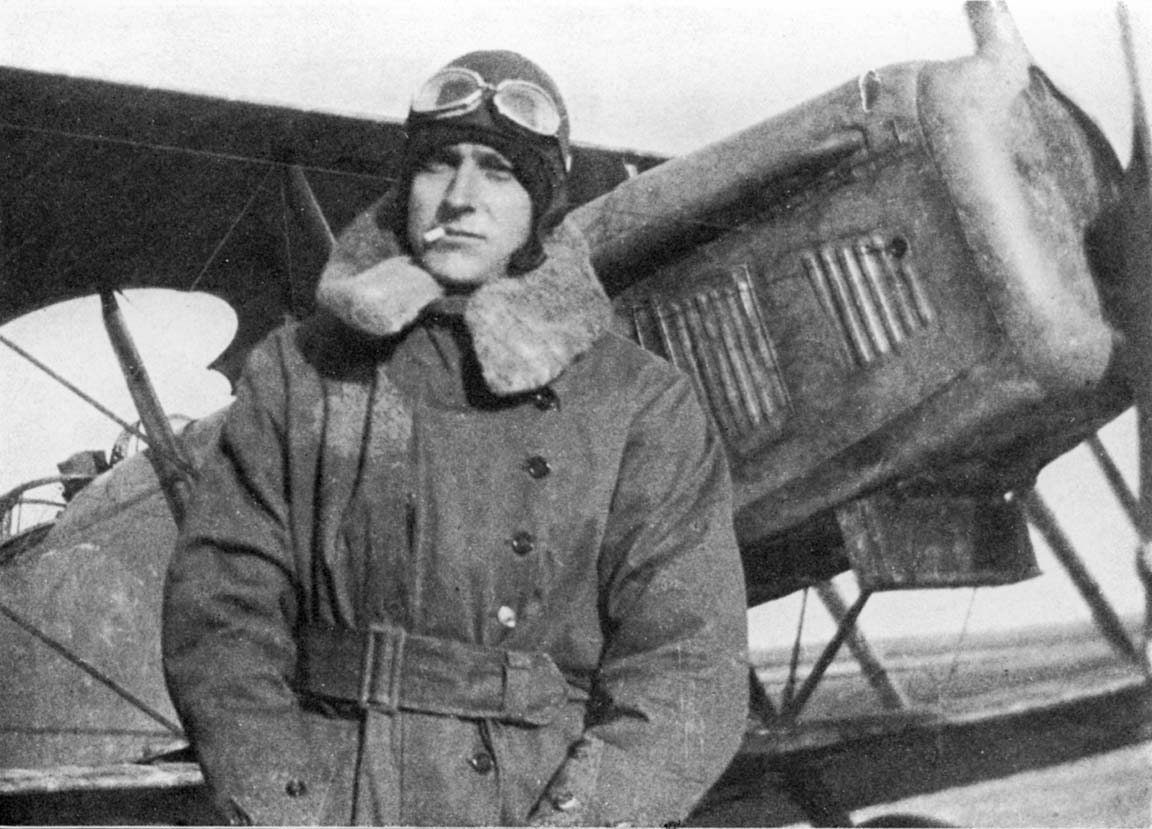
SON of Samuel Slater and Eliza (Weeden) Durfee; was born at Providence, R.I., June 3, 1899. He was educated at the Middlesex School, and at Harvard College, member of class of 1921. At Middlesex he played on the baseball and football teams.
Prior to entering the Service, he trained at the Fort Perry Training Camp, in 1916. On July 2, 1917, he enlisted in the U.S.N.R.F.C. at the Boston Navy Yard, and trained at the Naval Aviation Ground School, M.I.T., beginning Oct. 1, 1917; he continued training at the Naval Air Station, Hampton Roads, Nov. 25, 1917, and at the Naval Air Station, Pensacola, Fla., Jan. 1, 1918. He was commissioned Ensign, Feb. 28, 1918, and on March 8, 1918, was stationed at the Naval Air Station, Chatham, Mass., as Patrol Pilot. There he discharged the duties of Lieut., March 15 to June 1; Squadron Commander, June 1 to July 30; Flight Commander, July 30 to Oct. 1. From Nov. 15 to April 19, 1919, he served as Flight Commander, and for three months as Assistant Executive Officer.
Ensign Durfee's report of the submarine engagement in which he took part off Orleans, Mass., follows:
On July 1, 1918, at 10.48, word was received that a submarine was shelling a tug and four barges off Nauset Harbor, about five miles from the station. I immediately had bombs put on two planes which were on the point of leaving for Portland. At 10.50 the first plane left the beach with Durfee and Hicks as pilots, and Cleary as observer. Due to sparkplug trouble we were unable to take off, and returned to the beach. Two minutes after we left, the second plane, with Lingard and Shields, pilots, and Howard, observer, shoved off. They arrived on the scene while the submarine was still on the surface. The first bomb was then dropped, landing within forty feet of the submarine, but did not function. After firing a few shots at the plane, it submerged, but came up shortly, and Lingard dropped his second bomb. In the meantime Capt. Eaton and Ensign Brown arrived in two monoplanes and both dropped a bomb. Finally, my plane was fixed and we got there after the submarine had submerged a second time, but it was still visible, and we dropped a bomb, which fell about thirty feet from it. All the bombs failed to function owing to two reasons: too many safety devices, and too small a detonator and booster charge. In all, five bombs were dropped, four of which would have probably totally disabled it. All the planes made the attack from a height of under four hundred feet. About a dozen shots were fired at the first two planes, several passing within a few feet of their target.
On Oct. 4, 1918, four planes left Chatham at 6 A.M., en route for the Philadelphia Navy Yard. The pilots were Ensign Durfee, Flight Commander, Ensigns Hudson, Shields, and Walker. At 9.30 they reached Bay Shore, completing the first leg of the trip, 168 miles. They left Bay Shore for Cape May at 12 M. arriving at 4 P.M., 180 miles. Then after re-fuelling and a slight rest, they left for Philadelphia, arriving without mishap. This was set down as a record distance for a single day, and especially remarkable as the planes were being taken down for overhauling as unfit for further patrol duty. Ensign Durfee holds the altitude record for H.S. 2 with full fighting equipment. He was commissioned Lieut. (j.g), dating from April 1, 1919, and was placed on inactive duty at the Navy Yard, Boston, April 19, 1919.
SON of H. Dudley and Caroline Hutchinson (Bowles) Murphy, of Lexington, Mass.; was born at Winchester, Mass., July 10, 1897.
He was educated at Milton Academy, Milton, and at the Mass. Institute of Technology. Prior to the declaration of war he spent one year at an Army training camp at Monterey, Cal. He enlisted in the Air Service, April 29, 1917, at Cambridge, Mass. He was trained at Squantum, Mass., and then at Norfolk, Va., from May 10, 1917, till Jan. 1, 1918. He was commissioned Ensign, Dec. 26, 1917. Ensign Murphy went overseas, Jan. 25, 1918. He was stationed at Killingholm, Eng., for nine months, and spent one month with the Royal Navy, at East Fortune, Scotland. He did 230 hours of enemy submarine patrol in the North Sea from Feb. 10 to Nov. 20, 1918. He was credited with one enemy submarine by Commander Kenneth Whiting.
He received inactive duty orders at Bay Shore, N.Y., Feb. 18, 1919.

SON of John B. and Jennie E. (Murphy) Fallon; was born at Boston, Mass., March 22, 1884. He was educated in the Boston public schools, and at the Mass. Institute of Technology. In school he won the Franklin Medal; and at Tech. he was a member of the crew and of the track team. In 1916 he went on the civilian cruise of the U.S.S. Kearsarge, as a preparation for enlistment. On May 9, 1917, he enlisted at New York, in the U.S.N.R., Class 5 (A.). He began training with the N.A. Detachment, Newport News, Va., at the Curtiss Co. School. He then moved to Naval Operating Base, Norfolk, Va.
He was commissioned Ensign in May, 1917; was ordered overseas and stationed at Headquarters, London; then at Headquarters, Paris. He was ordered in turn to U.S.N. Aviation Base, Moutchic-Lacanau; French Flying Corps, at Hourtin, Gironde; and Royal Naval Air Station, Felixstowe, Eng. He engaged in numerous bombing raids over Germany, and in exciting engagements in the North Sea.
On Nov. 24, 1917, he was recommended for a British medal for gallant conduct during an encounter with a German submarine, but was not allowed to accept such an honor from a foreign Government.
On March 12, 1918, while he was attached to the Royal Naval Air Fleet at Felixstowe, Eng., he engaged in two air fights over the North Sea, and was commended to the British Admiralty by the Admiral at the base. He was flying at the time in a British hydroplane, and his wireless operator was shot and wounded seriously in the neck. Ensign Fallon left his seat, climbed over the wounded man, administered first aid, and returned to his place, bringing the plane safely to landing. It was in reference to this deed that Lieut. Edwards, Aide for Aviation, U.S.A., wrote to him in part as follows:
Accept my hearty congratulations on the splendid fight which you put up against the Huns. I think I may safely say that in consequence your promotion is assured, and that you will be sent a very strong letter of commendation on the fine work which you have accomplished.
He was commissioned Lieut. (j.g.) in March, 1918; Lieut. in June, 1918; and Lieut.-Commander in Oct., 1918.
In recognition of his service Lieut.-Commander Fallon was ordered back to the U.S. and appointed Aide to the Commanding Officer at Pensacola, Fla. Later he was ordered to Washington, D.C., in charge of the Ground School, and following that to the Naval Detachment, M.I.T., Boston, as Executive Officer. He was put on inactive duty at Boston, Mass., Feb. 1, 1919.
Married, June 6, 1918, Elizabeth S. Fitzpatrick, of Boston.
Brother in Service --
Robert M. Fallon, Capt., Q.M.C., A.E.F.
(From a Commendation, dated April 24, 1918, signed Franklin D. Roosevelt) 1. The Department is pleased to quote below for your information an extract from the report of J. C. Porte, Wing Commander, R.N., dated March 9, 1918, which is concurred in by Rear Admiral G. C. Gayley, R.N., both officers attached to the Royal Naval Air Station, Felixstowe, England:
"I have the honour to bring to your notice the name of Ensign N. Fallon, who acted as second pilot in Seaplane N 4582 during the engagement of two of our machines against five enemy seaplanes, which took place on the 12th inst. Ever since this officer has been on the Station he has done excellent work and always shown the greatest courage and resource. During the present engagement he handled his machine gun with great skill and it was very largely due to him that our machines did so well."
And follows an Extract from the report of Vice-Admiral Sims, transmitting the above to the Department: "Ensign Nugent Fallon, U.S.N.R.F., has conducted himself in a manner which has reflected great credit upon the U.S. Naval Service, and has proven himself to be a gallant officer under fire."
2. The Department avails itself of this opportunity to highly commend you for the splendid work performed during the engagement described above. It is work of this character that will tend toward the successful prosecution of the war, and the Department cannot express itself too warmly in terms of praise for such exemplary work. Cooperation between our personnel and that of our allies is very greatly to be desired, especially during the present urgent emergency; and acts such as you have performed denote very clearly that such coöperation is very much in evidence. It is hoped that a continuance of this good and effective work will be maintained.

LIEUTENANT (j.g.), U.S.N.R.F., SQUADRON COMMANDER AT U.S.N. AIR STATION, CAPE MAY, N.J.
SON of George A. and Anna (Putnam) Smith; was born at Arlington, Mass., Dec. 9, 1895. He graduated from Milton Academy, Milton, and entered Harvard College with the class of 1918. He left college at the end of his junior year to enter the U.S. Service, having never received lower than honor grade during the three years of his attendance; was awarded Harvard College Scholarship, 1915-16, and 1918-19, and the John Harvard Scholarship, 1916-17; he was awarded Detur in his junior year, and elected member of Phi Beta Kappa. He played football, and held Harvard championship in wrestling (145 lb. class), in 1915.
On July 16, 1917, he enrolled in U.S.N.R.F. (Aviation) at the Charlestown Navy Yard, and attended the Ground School, M.I.T. On Nov. 24, he was sent to the Naval Air Station at Hampton Roads, Va., and on Jan. 10, 1918, was transferred to the Naval Air Station, at Pensacola, Fla.
He was commissioned Ensign, March 11, 1918, and Lieut. (j.g.), to rank from Oct. 1, 1918. Lieut. Smith was sent to the Coast Patrol Station at Cape May, in Aug., 1918, where he was Squadron Commander engaged in active service hunting submarines. He was one of the aviators to meet and welcome the fleet on its return to New York, Dec. 26, 1918. On Dec. 30, 1918, he was ordered to inactive duty at Cape May, returning to Harvard, Jan. 2, 1919, to complete his college course. He holds Pilot's licenses for land and seaplanes from the Aero Club of America; also U.S. Naval Pilot's license.
Brother in Service ---
Charles Putnam Smith, 2d Lieut., U.S.A., Infantry.
Grandfather in Service ---
Charles Putnam, Ensign, U.S.N., under Farragut, in Civil War.

SON of Ernest F. and Bertha Henderson; was born at Chestnut Hill, Mass., March 7, 1897. He was educated at the Noble and Greenough School, and at Harvard College, A.B. 1918 (war degree). He rowed on the freshman inter-dormitory crew.
He enlisted at Cambridge, Mass., on April 3, 1917, as Radio Operator, U.S.N.R.F., and on April 28 was called to active duty; after two months he asked to be transferred to the Aviation Service. He trained at the Naval Aviation Ground School, M.I.T.; at Hampton Roads, Va.; and at Pensacola, Fla. He sailed overseas, March 9, 1918, and was stationed for three months at U.S.N. Seaplane Station, Moutchic-Lacanau, Gironde, France, when he was sent to Italy to fly Caproni biplanes back to France. The first machine in which he was sent out caught fire while flying over Turin, Italy, but with the flames streaming about him he succeeded in making a safe landing. The planes were imperfectly constructed, and five of the nineteen aviators who attempted to fly them to France lost their lives on the way. Lieut. Henderson finally accomplished his flight over the Alps and reached Lyons on Sept. 21, his time from Turin being three hours and five minutes. He was subsequently stationed at St.-Englevert, France, with the Northern Bombing Squadron, which was preparing to begin operations when the Armistice was signed. Lieut. Henderson had a second narrow escape when his machine was wrecked on landing, owing to defective gear.
He was commissioned Ensign, U.S.N.R.F., Feb. 28, 1918; Lieut. (j.g.), Oct. 1, 1918. He returned to the U.S. on Feb. 9, 1919, and was placed on inactive duty, March 15, 1919.
Brother in Service ---
George B. Henderson, 1st Lieut., U.S.A., A.E.F.

SON of Charles M. and Nettie (Prescott) Stewart; was born at Worcester, Mass., July 10, 1895. He was educated at the Bancroft School, Worcester; Worcester Classical High School; Milton Academy, Milton; and at Harvard College, class of 1917. At Milton he was monitor and baseball manager in 1913, playing second base on the team. At Harvard he was a member of the Delphic Club, Hasty Pudding, D.K.E., and Institute of 1770; and was on the staff of the Lampoon. He trained with the Harvard R.O.T.C. from Feb. to May, 1916. When war was declared he left college, and on April 30, 1917, enlisted in U.S.N.R.F., at the Brooklyn, N.Y., Navy Yard. From May 8 to Oct. 5, 1917, he served as Quartermaster on board the U.S.S. Tarantula (S.P. 124), guarding the entrance to New York Harbor. From Feb. 18 to May 1, 1918, he studied at the Aviation Ground School, M.I.T., acting as C.Q.M. (Aviation). From May 4 to July 14 he had elementary training at U.S.N.A. Station, Miami, Fla. From July 17 to Sept. 5 he took advanced training at Pensacola, Fla. He was commissioned Ensign, Sept. 14, 1918, and was ordered to England. From Nov. 4 to Dec. 1, 1918, he was attached to the U.S.N.A. Station, at Moutchic-Lacanau, France. He returned to the U.S. and received inactive duty orders, Jan. 13, 1919, at Bay Shore, N.Y.
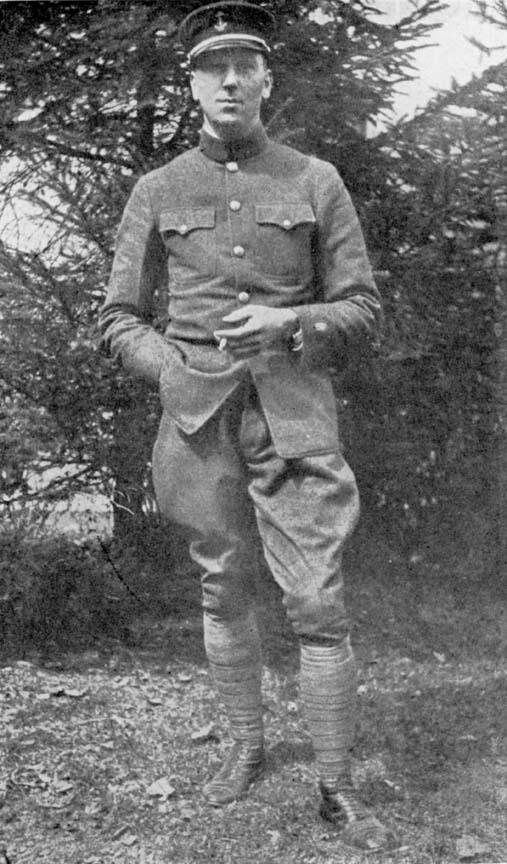
SON of Mr. and Mrs. Franklin P. Shumway; was born at Melrose, Mass., June 30, 1890. He graduated from the Melrose High School, and from Dartmouth College, class of 1913. At college he was member of the freshman track team in 1909, and of the football squad in 1911. He was high-point winner at the Dartmouth Winter Carnival in 1913, and second in one-mile New England swimming championship, 1914, 1915, and 1916.
On July 10, 1917, he enlisted in the U.S. Navy Aviation Corps, and trained at Akron, Ohio, from Oct. 10 to Jan. 21, 1918. He completed training at Rockaway Beach, N.Y., Jan. 30, and sailed overseas for Liverpool, Feb. 6, 1918. From March 9 to April 6 he was stationed at the U.S. Naval Air Station, Queenstown, Ire., when he was transferred to the Royal Navy Station at Castletown, Berehaven, Ire., as representative of U.S.N.A. forces. On April 29, 1918, this station was taken over by the U.S., and Lieut. Shumway was appointed Commanding Officer. From May 18 to July 3, 1918, he served as Executive Officer, and from then to Aug. 21 as Commanding Officer. The Castletown Station was the first of the five Irish stations under the U.S. to operate, as well as the first Kite Balloon Station in Europe to fly and operate patrols.
On Aug. 3, 1918, Lieut. Shumway was transferred to the U.S. Naval Base at Plymouth, Eng., where, until Nov. 29, he was Commanding Officer of the U.S. Naval Kite Balloon Detachment, attached to S.S.T.B.D. Parker, flying from R.A.F. Balloon Base No. 16.
He was commissioned Ensign, U.S.N.R.F., Jan. 24, 1918; and Lieut. (j.g.), May 1, 1918. He returned to the U.S. on Jan. 14, 1919.

SON of Edward Andrus and Emma G. Terhune; was born, June 3, 1895, at Dorchester, Mass. He was educated at the Dorchester High School and at Tufts College, graduating in the class of 1917, cum laude (B.S. in Structural Engineering). He played quarterback on the 1917 football team, and pitched on the 1917 baseball team.
He enlisted at Boston, Feb. 18, 1918, and was trained at the M.I.T. Ground School, and U.S. Naval Air Station, Key West, Fla., at which latter place he was Temporary Instructor. He studied flying-boats at the U.S.N.A.S., Miami, Fla.; and landplanes with the U.S. Marines, Curtiss Field, Miami, Fla. He was commissioned Ensign, July 10, 1918.
He was sent overseas, and trained in bombing and gunnery at Moutchic-Lacanau, France; he was then attached to the Northern Bombing Group at Calais, France (Champagne, Field B). Later he was stationed with the Italians at Malpensa, Italy, and received an Italian brevet, on Caproni bombing-machines. He returned to the U.S., and was stationed at Chatham, Mass., U.S.N.A.S. He was released from active duty, March 5, 1919.
After leaving the Service, Ensign Terhune inaugurated an Aerial Taxi and Transportation Company operating between Boston and the North Shore, using machines of the Canadian training-plane type, with wireless telephone connections.
Brother in Service ---
Howard Haven Terhune, Ensign, U.S.N.R.F.

SON of the Rev, and Mrs. Wilford L. Hoopes, of Newbury, Mass.; was born at Boston, Mass., March 31, 1898. He was educated at the Choate School, Wallingford, Conn., and at Harvard College, leaving at the end of his sophomore year to enlist. He was a member of the Harvard Flying Corps in 1915-16, and flew at Wright Field, Mineola, N.Y., in the summer of 1916, as a member of that corps.
He enlisted at Boston, on April 28, 1917, having in March enrolled for the Mass. School for Naval Air Service at Squantum, Mass. He remained at Squantum until Oct., 1917, when he was ordered to the U.S. Naval Air Station, Hampton Roads, Va., from Oct. 17, 1917, to Jan. 10, 1918. He was stationed at U.S.N. Air Station, Pensacola, Fla., from Jan. 10 to June, 1918, and was commissioned Ensign, U.S.N.R.F., June 13, 1918.
Ensign Hoopes was appointed Radio Officer at U.S.N. Air Station, Chatham, Mass., and has served there from June 17, 1918, to the present time. At last accounts he was still in Service.

SON of William Whitcomb and Flora M. (Valiquet) Hyde; was born at Lynn, Mass., Oct. 15, 1896. He was educated at the Classical High School, Lynn, and at the Northeastern College, Boston.
He enlisted in the U.S.N.A.S. at Boston, in April, 1917, and reported July, 1917, at the M.I.T. for ground training, being a member of Flight A. He had flight training at Pensacola, Fla., from Sept., 1917; and was commissioned Ensign in Dec., 1917. He was ordered overseas for active duty in Jan., 1918, and was in special service in England, Ireland, Scotland, and France, instructing and testing at various stations, and doing much patrol flying in search of enemy submarines and aircraft. In Oct., 1918, he was commissioned Lieut. (j.g.).
After the Armistice, Lieut. Hyde returned to the U.S. in Dec., 1918; but remained in the Service, reporting at the Naval Air Station, Key West, Fla., where he was stationed at last accounts.
Relatives in Service ---
Great-great-grandfather: Jedediah Hyde, Capt., Revolutionary War.
Great-grandfather: Russell Brown Hyde, Major, Mexican War.
Grandfather: Breed Noyes Hyde, Col., Civil War.
Grandfather: Thomas Valiquet, Major, French Army.

SON of Sidney A. and Maude A. (Canning) Mitchell; was born at Boston, Mass., Nov. 16, 1896. He was educated at the Stone School, Boston, and at Harvard College. He was coxswain of the Boston interscholastic crew, 1912-14; a member of the Stone crew, 1915: and of the Harvard freshman four-oared crew, 1916.
He enlisted at the Charlestown Navy Yard, as Machinist's Mate, 2d class, and was stationed at Pensacola, Fla., Sept. 6 to Nov. 26, 1917. He was later transferred to Student Officer, and completed work at the Ground School, M.I.T., Feb. 16, 1918.
He qualified as a Naval Aviator in May, 1918, and was ordered to Pensacola, Fla. He was commissioned Ensign, U.S.N.R.F., June 12, 1918. From May to Aug., 1918, he acted as Instructor to the 6th Squadron at Pensacola. On Aug. 3, 1918, he was made Division Commander, 6th Squadron, and on Dec. 23, 1918, he was commissioned Lieut. (j.g.).
Lieut. Mitchell, on Jan. 28, 1919, was made 6th Squadron Commander, and on Feb. 20, Commander of the Navigation School at Pensacola. He was ordered to inactive duty, March 12, 1919, at Pensacola, Fla.

SON of John Matthew Miller and Fannie (Paddock) Miller, of Wellesley, Mass.; was born at Tacoma, Wash., June 3, 1896. He was educated at the Kent School, Kent, Conn.
He enlisted at Boston, Mass., July 23, 1917, and was assigned to the Naval Aviation School, M.I.T. He was subsequently trained at the Naval Air Stations at Hampton Roads, Va.; Pensacola, Fla.; and Rockaway Beach, N.Y.
He was commissioned Ensign, March 16, 1918. On the cessation of hostilities he was ordered to inactive service, and on Dec. 15, 1918, was appointed to the Post-Office Department, Aerial Mail Service, as manager of the Philadelphia Field, and later of the Mail Field, at Belmont Park, Queens, N.Y.
Ensign Miller comes from a family notable for its military record: one ancestor, Charles Fanning, was at Valley Forge; another, Nathaniel Fanning, was second in command to John Paul Jones, on the Bonhomme Richard; a third, William Bradford Whiting, was on the staff of Commodore Perry in the expedition to Japan, 1854. His family records show that thirty-five members served in the Revolutionary War, fifteen in the War of 1812, thirty-two in the Civil War, and nine in the Great War.
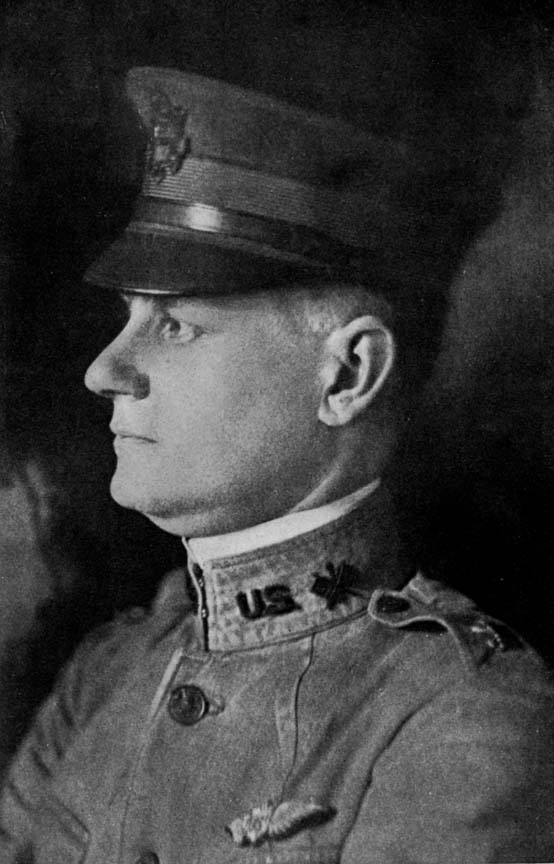
SON of Joseph and Helen (Slocum) Brewer; was born, April 10, 1896, at Milton, Mass. He was captain of the football team at Milton Academy in 1914, and graduated in 1915, entering Harvard College in the class of 1919.
He attended the Plattsburg Training Camp from July 5 to Aug. 8, 1916. In March, 1917, he enlisted in the Naval Reserve at the Charlestown Navy Yard, and was sent to Marblehead with the patrol fleet. On May 3, 1917, he was transferred to the Naval Aviation Service, and was trained at Pensacola, Fla. He was commissioned Ensign on Dec. 17, 1917. On Dec. 22 he was ordered to France, and arrived in Paris, Jan. 29, 1918; on Feb. 3, he was transferred to London.
He was attached to the R.N.A.S. from Feb. 8 to July 13, doing submarine patrol work at Westgate, Portland, and Felixstowe. He was ordered back to Paris on July 13, and joined the U.S.N.A.S. at St.-Trojan. From July 28 to Oct. 25 he served as submarine patrol and convoy. From Oct. 28 to Dec. 2 he was with the U.S.N.A.S. at Arcachon, in submarine patrol and convoy work as Chief Pilot. He was recommended Lieut. (j.g.) in July, 1918; Lieut., Oct., 1918. On Dec. 11, 1918, he was commissioned Lieut.; sailed from Bordeaux on Dec. 24, 1918, arriving in New York on Jan. 3, 1919. He was placed on inactive duty at Bay Shore, N.Y.
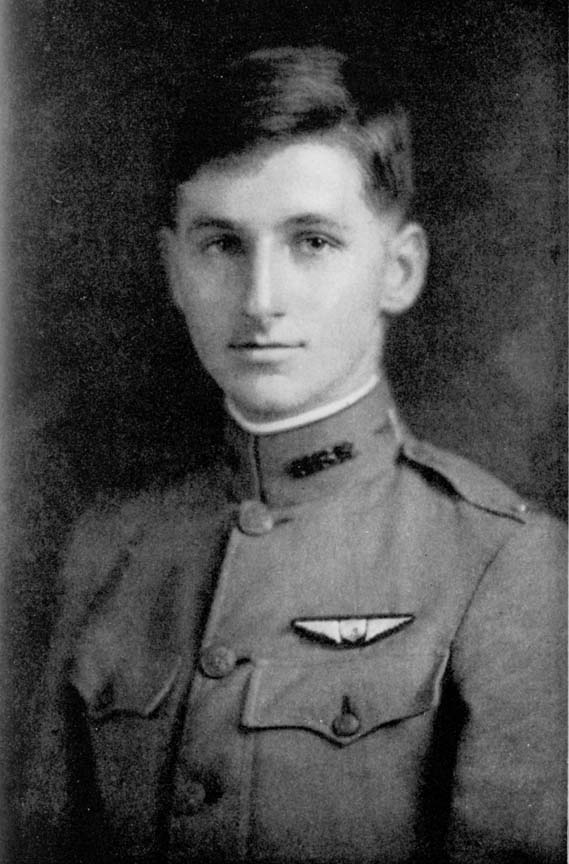
SON of Albion Horace and Annie (Whidden) Eaton; was born at Calais, Me., June 14, 1891. He was educated at the Calais High School, Phillips Exeter Academy, 1911, and Bowdoin College, B.S. 1915. At Exeter, he played on the hockey and golf teams; at Bowdoin, on the hockey, tennis, and baseball teams; he was captain of the baseball team, and won the Maine intercollegiate championship in tennis.
He enlisted at Boston, Mass., on July 14, 1917, and trained at the M.I.T. Ground School; and at Pensacola, Fla., where he acted as Gunnery Pilot in advanced work. He spent six months as Instructor in Flying, and was Division Commander at Squantum. He was commissioned Ensign on March 8, 1918. At Pensacola he was Division Commander and Stunt Instructor; and Squadron Commander of Squadron 15, at San Diego, Cal. He was commissioned Lieut. (j.g.), dating from Dec., 1918, and on April 15, 1919, was honorably discharged at San Diego, Cal.
During his Service Lieut. Eaton made patrol flights along the Atlantic and Pacific coasts, totalling 400 hours solo work.
Married, Oct. 3, 1918, Mary E. Campbell.
Brothers in Service
Carleton W. Eaton, Ensign, U.S.N.R.F.C.
Horace E. Eaton, Lieut., U.S.A., Field Artillery; Judge Advocate at Brest, France.
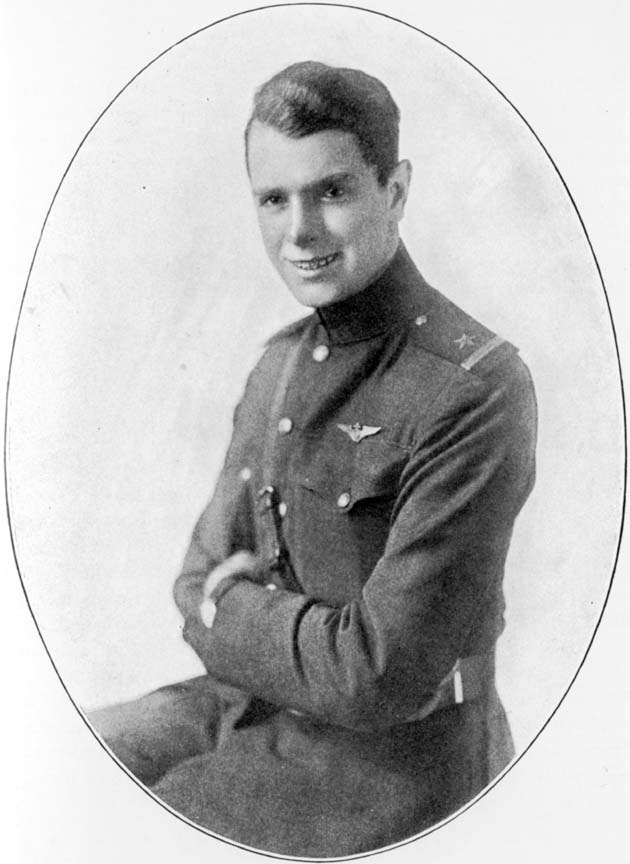
SON of Archer Ward and Pauline (Frost) Ives; was born at Brookline, Mass., Aug. 1, 1893. He was educated at the R. G. Shaw School, West Roxbury High School, and Berkeley Preparatory School.
On May 5, 1917, he enlisted at Dedham, Mass., in U.S.N.R.F., Class 445. He attended Ground School, and Flying School, at Pensacola, Fla., from July 10 to Dec. 20, 1917. He sailed overseas on Jan. 13, 1918; was detailed to R.N.A. Station, Calshot, Eng., for advanced patrol training, Feb. 7, 1918. He was assigned to R.N.A. Station, Portland, for patrol duty, Feb. 13, 1918; and was transferred to Felixstowe, May 7, 1918, for reconnaissance work. On July 30, 1918, he was ordered to the U.S.N.A. Station at Killingholme, Eng., where he served as Pilot and Flight Commander until the Armistice. He sailed for America on Nov. 24, 1918. He was commissioned Ensign, U.S.N.R.F., Dec. 9,1, 1917; Lieut. (j.g.), April 24, 1918. He was detached from active duty, Jan. 17, 1919, having been previously commissioned Lieut.
The following is an extract from a report issued by the Navy Department at Washington, and signed by Franklin D. Roosevelt, relative to the services of Ensign Ives, U.S.N.R.F., attached to the Royal Navy Air Station, Calshot:
... The Department quotes below for your information the report of Vice-Admiral Sims, relative to your operations while on scout duty against enemy submarines, under orders from the Commanding Officer of the Royal Navy Air Station, Portland, England: "The attached correspondence relative to the performance of duty of Ensign Paul F. Ives... U.S.N.R.F., reflects credit on both these officers. It is recommended that adequate recognition of their services be granted." The Department wishes to avail itself of this opportunity to express to you the very high appreciation felt upon receipt of reports similar to the above. It is strong evidence of the fact that earnest cooperation exists between the armed forces of our Allies and the United States Armed Forces. It is work of this character that will impress our enemies with the realization that the United States is a power very much to be considered. Accordingly, you are hereby highly commended for your valiant and earnest efforts on this particular occasion. It is to be hoped that a continuance of such work will be maintained in the future ....
Married, Dec. 16, 1918, Ruth Merrill.
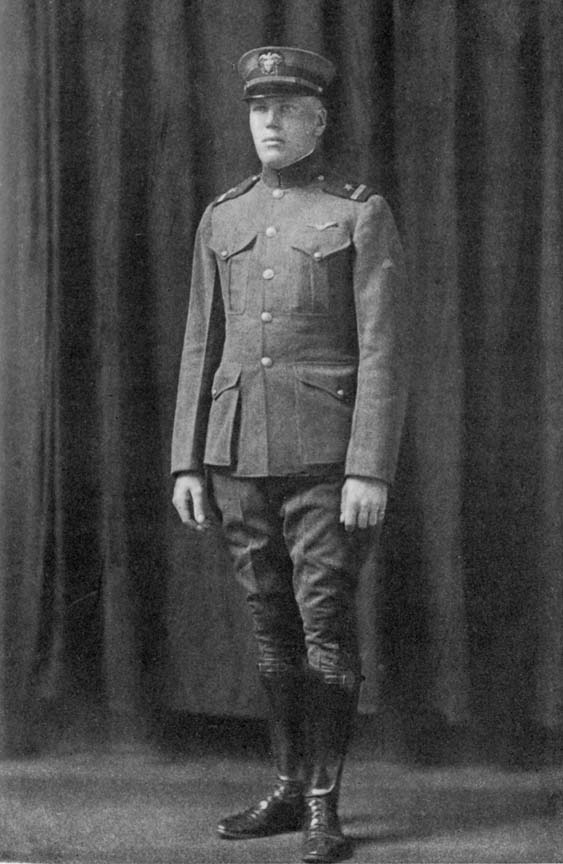
SON of Dr. and Mrs. William N. Swift; was born at New Bedford, Mass., in 1893. He attended the Friends' Academy, New Bedford; Milton Academy; and St. George's School, Newport, R.I. He graduated from Harvard College in 1915.
In April, 1917, he volunteered for the Naval Aviation Service and was sent to Squantum, Mass., for training, then, in July, to the Ground School at Toronto University, Toronto, Can., and later to the flying school at Camp Rathbun; receiving final training at Camp Borden, Can. He was commissioned Ensign, in Dec., 1917, and sent to Hampton Roads, Va.; from there he was transferred to Pensacola, Fla., in Jan., 1918.
He was made Superintendent of Aviation Mechanics' Schools, and commissioned Lieut. (j.g.), U.S.N.R.F., Class 5, in Aug., 1918. In April, 1919, he was commissioned Lieut., and was at last accounts still in the Service, and stationed at Great Lakes, Ill., where he was Superintending Instructor of Miscellaneous Maintenance Force at the Navy Aviation Mechanics' School.
Married, in 1914, Josephine Ranlet, of Boston.

SON of Nelson A. and Mary E. Hallett, of Newtonville, Mass.; Was born at Lynn, Mass., Aug. 5, 1894. He was educated at the Newton High School, the Stone School, and at Dartmouth College, A.B. 1917.
He attended the Plattsburg Training Camp in 1916, and enlisted at Boston, Mass., April 4, 1917. He was first stationed at Commonwealth Pier, Boston, then at Bumkin's Island. He was then trained as a night bomber at the M.I.T., N.A. School; and at the Naval Air Station, Pensacola, Fla. He sailed overseas, expecting to be transferred to the Marine Aviation Service, and used for bombing enemy cities and towns, but on account of lack of planes, he was sent to N.A.S., at Moutchic-Lacanau, France, for further training in coast patrol work. After a short period of instruction, he was detached for service at the Naval Station at St.-Trojan, on an island off the French coast, where he remained until the Armistice. He was commissioned Ensign, on July 8, 1918. He returned to the U.S. and was relieved from active duty Jan. 2, 1919, at New York.
Relatives in Service ---
Grandfather: Nelson A. Hallett, Artificer, with the U.S. Engineers, Civil War.
Uncle: James H. Hallett, Sergeant, Heavy Artillery, Spanish-American War.

SON of Edward George and Annie Matina (McNeil) Rowen; was born at Jamaica Plain, Mass., July 2, 1895. He attended the public schools of Jamaica Plain, and graduated from Boston College in 1916. At college he was for two years captain of the track team, and one year manager of the football team.
He enlisted in the U.S.N.R.F., May 5, 1917, at the Boston Navy Yard, and trained at the M.I.T., from July 21 to Sept. 16. He was then sent to Pensacola, Fla., where he trained until Dec. 1, 1917, when he was commissioned Ensign. He sailed overseas Jan. 15, 1918, and after being stationed at London for a month, was transferred to the Bombing School at Moutchic-Lacanau, France, where he remained until April 15, when he was ordered to the Naval Air Station at Île Tudy. He was commissioned Lieut. (j.g.),, and made Chief Pilot at this station about May 25, 1918. He was stationed there on duty until the end of the war.
On July 5, 1918, Lieut. Rowen received a submarine warning from some twenty-five miles distant, and he and his observer, in company with another plane, at once started out; finding traces of the enemy they let go their bombs and succeeded in destroying a submarine which was known to have been doing much damage in that vicinity. The destruction of this submarine was officially credited to Lieut. Rowen and his observer, and they also destroyed a number of mines in that vicinity. The station at Île Tudy was especially commended as a model for its excellent work and efficiency.
Lieut. Rowen returned to the U.S., Dec. 1, 1918, and was assigned to the N.A. Station at Key West, Fla., as Squadron Commander. In connection with recruiting, he did considerable "movie" work for the Government, and before his return from France was selected to be sent home as Instructor in Patrol Work, which plan was given up on account of the Armistice. He was placed on inactive duty at Key West, June 20, 1919.
Brother in Service ---
Edward Joseph Rowen, U.S.N.R.F., Engineer Officer at Pauillac, France.

SON of Albert and Karoline (Vicital) Marschat, of Ashley Falls, Mass.; was born at New York City, June 15, 1894. He was educated at the Morris High School, New York City, at Mercersburg Academy, and at Dartmouth College. In both preparatory school and college he was a member of the track and cross-country teams.
He enlisted as Seaman, 1st class, May 18, 1917, in the Naval Reserve Force at New York, and was in training at Pelham Bay, until Dec. 13, 1917. He entered the Naval Aviation Detachment at M.I.T., Feb. 18, 1918, and was transferred to Pensacola, Fla., as Student Naval Aviator, training from May 18 to Aug. 20, 1918. He was commissioned Ensign, Aug. 20, 1918.
Ensign Marschat was detailed to the U.S. Naval Station at Chatham, Mass., Sept. 6, 1918, for active duty as Coast Submarine Patrol.
Brothers in Service ---
Albert J. Marschat, Private, Signal Corps, A.E.F.
Arthur G. Marschat, Private, Signal Corps, A.E.F.
Lawrence Marschat, Midshipman, Junior Naval Reserve.

SON of Cyrus Andrew and Anna M. (Phillips) Page; was born Nov. 8, 1885. He graduated from Harvard College in 1909. In April, 1917, he enlisted in the Aviation Service, and was stationed at Squantum, Mass., during the summer of 1917. In Nov. he was sent overseas to France. He was commissioned Ensign in 1917. During a trial flight off the English coast, he was killed in an airplane accident in Dec., 1917.
SON of Harry M. and Flora Cooley Stonemetz; was born at Newton, Mass., April 8, 1899. He was educated at the Newton High School, and at Williams College, class of 1921. In the high school he was a member of the hockey team. In 1916 he attended the Officers' Training Camp at Plattsburg. He enlisted, May 26, 1918, and trained at the M.I.T. Naval Aviation School until Aug. 16, 1918. He was then assigned to the Naval Air Station, at Miami, Fla., where he remained until Oct. 20, 1918. He was then transferred to the Air Station at Pensacola, Fla.; there he was commissioned Ensign, Jan. 14, 1919, and placed on inactive duty, Feb. 11, 1919.

BORN at Boston, Mass., Jan. 17, 1896. He was educated at the English High School and at Bowdoin College. He entered the Naval Aviation Service, and attended the M.I.T. Naval Aviation Ground School. He continued his training at Norfolk, Va., and at Pensacola, Fla. On March 25, 1918, he was killed in an accident at Pensacola.
SON of Capt. John Mason and Caroline (Fowler) Pettingell, of Cambridge, Mass.; was born at Newburyport, Mass., May 26, 1890. He graduated from the Newburyport High School in 1908, and from the Mass. Institute of Technology in 1912. He enlisted at Chicago, Ill., Sept. 27, 1917. On Dec. 29, 1917, he graduated from Squadron 25, at the School of Military Aeronautics, Austin, Tex., and was assigned to the 3d Cadet Squadron at Ellington Field, Houston, Tex. He was subsequently Acrobatic and Cadet Flying Instructor at Payne Field, West Point, Miss. He was commissioned 2d Lieut., April 20, 1918, and completed final training at the 3d A.I.C., Issoudun, France, as Pursuit Pilot. He returned to the U.S., and was honorably discharged on Feb. 24, 1919, at Camp Dix, N.J.
Father in Service ---
John Mason Pettingell, Capt., 8th Mass. Inf., Spanish-American War.

SON of Samuel Tibbets and Caroline S. (Cobb) Harris, of Dedham, Mass.; was born at Somerville, Mass., Dec. 16, 1895. He was educated at the Powder Point School and at Dartmouth College.
He attended the Plattsburg Training Camp in June, 1916. He enlisted at Boston, Mass., on April 3, 1917, and was attached to the U.S. Naval Aeronautical Detachment, at Akron, Ohio, from Oct. 8, 1917, to Jan. 15, 1918. He was trained at the Naval Air Station, Rockaway, N.Y., from Jan. 16 to Jan. 30, 1918. He sailed overseas, and was attached to the U.S. Naval Air Station, Queenstown, Ireland, from March 9 to March 19, 1918. He was subsequently stationed at the R.N.A.S. School, Rockampton, Eng., from March 20 to April 20, 1918; U.S. Naval Air Station, Wexford, Ireland, April 25 to July 3, 1918; U.S. Naval Air Station, La Trinité, France, July 11 to Aug. 17, and Sept. 27 to Nov. 25, 1918; U.S. Naval Air Station, Brest, France, Aug. 18 to Sept. 26, 1918; U.S. Naval Air Station, Cape May, N.J., from Jan. 25, 1919, to date. He was commissioned Ensign, U.S.N.R.F., Jan. 24, 1918; and Lieut. (j.g.), U.S.N.R.F., Oct. 1, 1918. Lieut. Harris was a member of the first class of naval kite balloon pilots to be instructed and graduated, as a class, in this branch of Naval Aviation. At last accounts he had qualified as a dirigible pilot at Cape May, N.J.
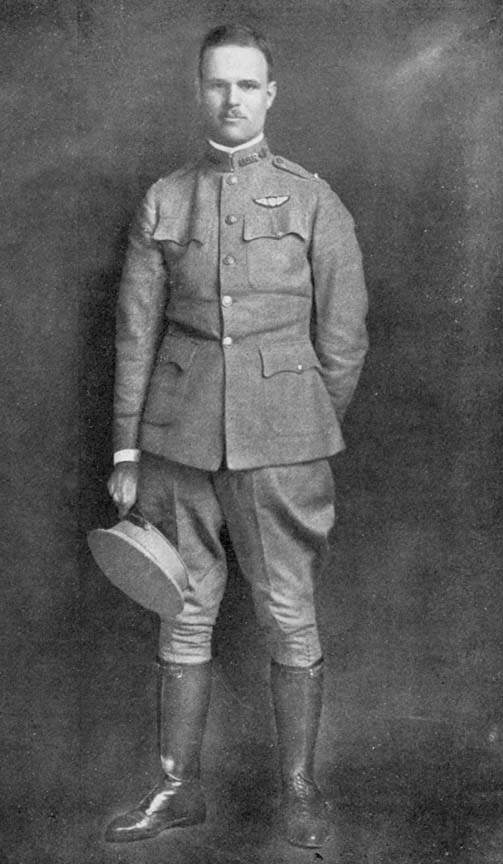
SON of Henry Helm and Fawn (Comyn) Clayton; was born at Milton, Mass., April 29, 1894. He was educated at the Canton High School, and at the Mass. Institute of Technology, where he took a three-year course in electro-chemistry before his entry into the Naval Service. He attended the Plattsburg Training Camp in 1915 and in 1916.
On May 10, 1917, he enlisted at Boston, in the U.S. Naval Reserve Flying Corps. From July 23 to Sept. 15, 1917, he trained at the M.I.T. Ground School. From Sept. 15 to Jan. 9, 1918, he was attached to the U.S. Naval Air Station, Hampton Roads, Va., and from Jan. 11 to Feb. 24, to the N.A. Station, Pensacola, Fla. He was commissioned Ensign, Feb. 18, 1918. Receiving overseas orders, he trained from April 3 to June 10, at the U.S.N. Air Station, Moutchic-Lacanau, France. He was then transferred to the Italian Army School of Aviation, at Malpensa, Italy, where he remained from June 19 to July 22, 1918. From the latter date until Oct. 26, he acted as Ferry Pilot from Milan, a fortnight of this time being spent at Gioia del Colle, Italy. From Oct. 30, 1918, to Jan. 15, 1919, he was a member of the Northern Bombing Group, Squadron 1. Early in 1919, Ensign Clayton returned to America and was stationed, from Feb. 28, 1919, at the U.S. Naval Air Station, Chatham, Mass.
Married, June 3, 1917, Augusta Frances Capen.
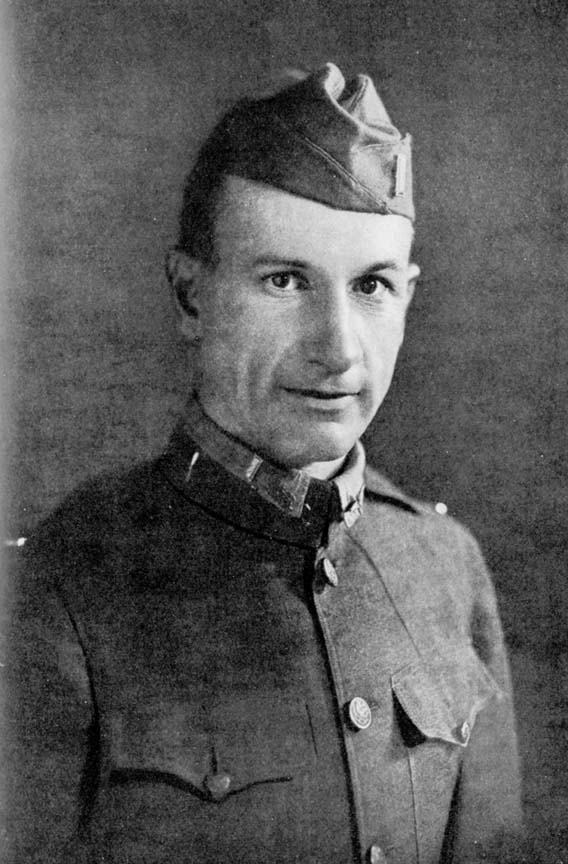
BORN July 2, 1897, at Staten Island, N.Y. He graduated from the Salem High School in 1916. He served for five months on the Mexican Border, at Fort Bliss, El Paso, Tex., with the 1st Mass. F.A., N.G., from June to Nov., 1916. He enrolled in the Naval Reserve Flying Corps, in April, 1917; was called to active service in July, and was assigned to the Naval Aviation Ground School at the M.I.T. In Sept., 1917, he was sent to Pensacola, Fla., for flight training, and in Nov. qualified as a Naval Aviator. He was commissioned Ensign, in Nov., 1917, and ordered to San Diego, Cal., as a Flight Instructor, in Dec., 1917. There he remained, fulfilling the duties of a Division Commander until ordered to Pensacola, Fla., for advanced training in Dec., 1918.
SON of George W. and Effie B. Hall; was born at Mansfield, Mass., May 2, 1898. He was educated in the Mansfield public schools, and at the M.I.T. He enlisted at Boston, on Nov. 12, 1917. He trained successively at Princeton Ground School, Dec. 8, 1917, to Feb. 16, 1918; Camp Dick, Dallas, Tex., Feb. 21 to March 12; Taliaferro Field, Ft. Worth, Tex., March 13, to June 13. He was commissioned 2d Lieut., A.S., June 5, 1918. He was on duty at Camp Dick, Dallas, Tex., June 13 to July 28; Armorers' School, Wilbur Wright Field, Fairfield, O., Aug. 1 to Aug. 28, 1918. On Sept. 15 he sailed for France, and was stationed from Oct. 13, 1918, to Jan. 20, 1919, at 3d A.I.C., Issoudun, France. He completed his training as pursuit pilot late in Nov., 1918. He returned to the U.S. on Feb. 17, 1919, and was honorably discharged Feb. 20, 1919, at Garden City, N.Y.
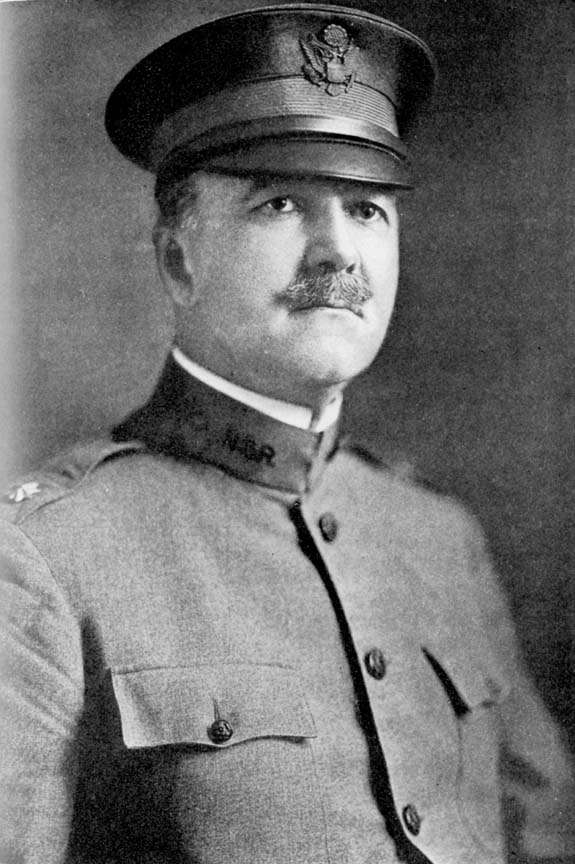
SON of Gordon and Lillian (Chickering) Prince; was born at Boston, Mass. He graduated from Harvard College in 1910. Before the declaration of war by the U.S. he volunteered for the Aviation Service, passed his examinations as an aviator, and began training at Newport News, Va. He attended the M.I.T. Ground School and sailed for Italy in Aug., 1917. He continued his training at Foggia, and was commissioned 1st Lieut. in Oct., 1917. In the spring of 1918 he was sent to France, where he was ill with malaria all summer; upon recovery, he was made Instructor at Issoudun, his health not permitting him to fly in high altitudes. Lieut. Prince returned to the U.S. and was honorably discharged in March, 1919. He subsequently received notice of his promotion to Captain.
SON of George Burton and Maud A. (Ingalls) Chase, of Melrose, Mass.; was born at Malden, Mass., Dec. 10, 1896. He was educated in the public schools of Melrose, and at the Mass. Agricultural College. At college he was a member of the Cadet Battalion. He enlisted in the Air Service at Boston, Mass., Dec. 31, 1917. From May 18, 1918, to Aug. 14, 1918, he received ground school training at M.I.T. He was then transferred to Camp Dick, Dallas, Tex.. where he remained from Aug. 17 to Sept. 1, 1918. He was subsequently stationed at Barron Field, Everman, Tex., from Sept. 21 to Nov. 27, when he received his honorable discharge from the Air Service.
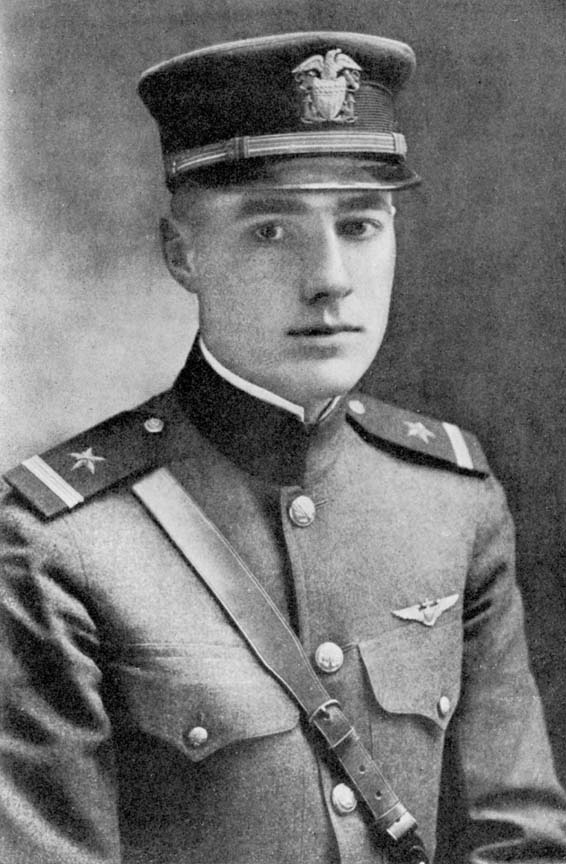
SON of Walter Bell and Elizabeth J. Phister, of Hartford, Conn.; was born at Chicago, Ill., Sept. 27, 1896. He was educated in the public schools of Chicago, at Williams College, and at Trinity College. He enlisted at Cambridge, Mass., July 26, 1917, and graduated from the M.I.T. Ground School, Nov. 10, 1917. On Nov. 23, 1917, he sailed overseas, and continued his training at St.-Maixent, France, until May 15, 1918. He was commissioned 2d Lieut., S.O.R.C., May 18, 1918; placed on active duty and commissioned 2d Lieut., A.S.A., dating from June 13, 1918. He received flying training at Voves, and at Avord, and served as staff pilot at Observers' School at Tours, from Sept. 24, 1918, to Feb. 8, 1919. Received Brevet d'Aviateur Militaire, July 22, 1918, and civilian brevet from the Aero Club of France. He arrived in N.Y., May 6, 1919, and was honorably discharged at Camp Dodge, la., May 22, 1919.
SON of Samuel A. and Catherine E. Leeburn; was born at Pawtucket, R.I., Nov. 28, 1890. He was educated at the Pawtucket High School. He enlisted in the Air Service at Providence, R.I., Nov. 30, 1917, and was assigned to the M.I.T. Ground School, where he remained from Dec. 1 to Dec. 22, 1917. He was transferred to Cornell University, Ithaca, N.Y., where he finished the course, Feb. 9, 1918, and was then stationed at Camp Dick, Dallas, Tex., until April 11. He was subsequently ordered to Eberts Field, Lonoke, Ark., where he trained from April 12 to July, 19, 1918. On July 20, 1918, he was commissioned 2d Lieut., and detailed to Eberts Field, as Flying Instructor, from July 20, 1918, to Feb. 8, 1919. He was then assigned to Love Field, Dallas, Tex., as Flying Instructor, and served from Feb. 12 to April 1, 1919, when he was honorably discharged.
Brother in Service ---
William J. Leeburn, Ambulance Driver, 42d Sanitary Train.

SON of Alfred LeRoy and Jessie D. Hodder, of Framingham, Mass.; was born at Rosemont, Pa., May 29, 1897. His childhood was spent in Neuchâtel, Switzerland. He attended the Kent School in Conn., graduated from Newton High School in 1915, and entered the University of Neuchâtel, Switzerland, in 1915. He drove a hospital supply ambulance at Paris in the summer of 1916, then returned to the U.S. and entered Harvard College, class of 1920. He left Harvard after the declaration of war, enlisting in the U.S. Ambulance Service, and was assigned to the Harvard Unit. He reached France in Dec., 1917, and passed examination for transfer to the Aviation Division, which Service he entered in France on his twenty-first birthday, May 29, 1918. He trained in France at Tours and Châteauroux.
SON of Newton Allen and Clara Isabel (Edmunds) Willis; was born at Concord, N.H., July 20, 1887. He was educated at the Concord High School, and at Harvard and Cornell Universities.
He enlisted in the Air Service at Boston, Mass., Jan. 29, 1918, and was assigned to Camp Dick, Dallas, Tex., where he remained from June 1 to June 25, 1918. He attended the M.I.T. Ground School from June 29 to Sept. 6, and the Ground School at Cornell University from Sept. 7 to Sept. 21, 1918. He then trained at Camp Dick, Dallas, Tex., where he remained from Oct. 4 to Oct. 16. He was subsequently ordered to the Coast Artillery School, Fort Monroe, Virginia, Oct. 20 to Dec. 6, 1918, and to the School of Aerial Observation, Post Field, Fort Sill, Okla., Dec. 10, 1918, to Feb. 14, 1919. He was commissioned 2d Lieut., Dec. 6, 1918, and applied for discharge at Post Field, Fort Sill, Okla., Feb. 14, 1919.

SON of George H. and Maria Mitchell (Starbuck) Mackay; was born at Boston, Mass., Oct. 13, 1885. He attended the Noble and Greenough School, and graduated from Harvard College in 1908. He served for over nine years in the National Guard, being with the 1st Corps of Cadets; the Coast Artillery Corps; and the 1st Squadron of Cavalry, with which he served as Sergeant, on the Mexican Border.
On March 17, 1917, he enlisted in the Royal Flying Corps, and trained at Camp Borden, Toronto, Can. He was commissioned 2d Lieut., July 23, 1917, and 1st Lieut. April 1, 1918. While in Canada he was badly injured in a "crash." He sailed overseas and was stationed at Cranwell, Eng., where he served as a Flying Officer. He was discharged, owing to wounds, Dec. 21, 1918.
SON of George L. and Josephine Dillaway, of Wakefield, Mass.; was born at Bath, Me. Sept. 2, 1894. He graduated from Tufts College, and was studying at the Boston University Law School at the time of his enlistment. He had previously served in the 6th Mass. Infantry, N.G., from June, 1916, to Nov. 1, 1917. On the latter date he enlisted in the Aviation Service at Boston, and attended the M.I.T. Ground School from Nov. 3, 1917, to Jan. 4, 1918. From Jan. 5 to Jan. 12, he trained at the Cornell Ground School; then transferred to Gerstner Field, Lake Charles, La., where he trained from Jan. 19 to May 30. There he was commissioned 2d Lieut., May 8, 1918. In June he was stationed at Camp Dick, Dallas, Tex.; from June 17 to July 17, at Fort Sill, Okla.; from July 17 to Nov. 1, at Hicks Field, Fort Worth, Tex.; and later at Garden City, N. Y. Honorably discharged, Dec. 11, 1918.
Brother in Service ---
George L. D. Dillaway, 6th Mass. Inf., N.G., entered West Point, U.S.M.A., June, 1917.
 |
 |
BORN at Beverly, Mass., Dec. 16, 1893. He graduated from the Beverly High School, and from Pratt Institute in 1915. On Feb. 11, 1916, he enlisted at Olean, N.Y., in the Infantry, N.Y. National Guard. He saw service at the Mexican Border, in 1916, and was promoted to Corporal. Following the declaration of war, he was chosen from the National Guard to attend the Officers' Training Camp, where he was commissioned 1st Lieut., U.S. Infantry, in Aug., 1917. He was a member of the "Iron Battalion" under Col. Azan at Cambridge, Mass. He was assigned to the 312th Infantry, at Camp Dix, where he remained until Jan., 1918; he then transferred to Aviation, and trained at Austin, Tex., from April 1 to June, 1918, and Kelly Field, San Antonio, and was commissioned 1st Lieut., A.S., U.S.A., Nov. 1, 1918. On Nov. 28 he was sent to San Diego as Instructor in Advanced Flying. Honorably discharged, Jan. 4, 1919.
Brother in Service ---
A. Vernon Macaulay, 2d Lieut., A.S., U.S.A.
 |
|
BORN at Beverly, Mass., April 4, 1891. He graduated from the Beverly High School, and was engaged in business with the United Shoe Machinery Co., when the U.S. entered the war. He enlisted at Boston, Mass., July 15, 1917, in the Aviation Section, U.S.A. He attended the M.I.T. Ground School from Oct. 15 to Jan. 1, 1918, when he was transferred to the School of Military Aeronautics at Princeton, N.J. On Feb. 2, 1918, he was sent to Dallas, Tex., for some weeks, continuing his training at Chanute Field, Rantoul, Ill., where he qualified as a Pursuit Pilot, and was commissioned 2d Lieut. on June 8, 1918. Lieut. Macaulay was sent to Dallas, Tex., where he took a course in Aerial Navigation, and then to Dayton, Ohio. He received overseas orders, and arrived in France, Oct. 10, 1918. Had completed training at time of Armistice.
Brother in Service ---
Charles R. Macaulay, 1st Lieut., A.S., U.S.A.

SON of Mr. and Mrs. Charles A. Platt; was born at New York City, Feb. 6, 1897. He was educated at St. Mark's School, Southboro, Mass., and at Harvard College, class of 1919. At St. Mark's he was captain of the football and hockey teams. At Harvard he was a member of the freshman football and hockey teams.
He attended the Plattsburg Training Camps in 1915 and 1916.
On March 16, 1917, he enlisted in the U.S.N.R.F. at the Charlestown Navy Yard, Charlestown, Mass. He was trained successively at the Naval Air Stations at Hampton Roads, Va., Pensacola, Fla., Marine Field, Miami, Fla.; and was stationed at the Naval Air Station, Anacostia, D.C., until he sailed overseas, on Aug. 24, 1918. In France he was stationed at the U.S. Naval Air Stations at Moutchic-Lacanau, and at Brest. He was commissioned Ensign, March 16, 1918.

SON of William A. and Ruth (Felton) Paine; was born in Boston, Mass., July 30, 1897. He attended the Country Day School in Newton, Mass., from 1907 to 1916, and was manager of the school track team. He entered Harvard College with the class of 1920; trained with the Harvard R.O.T.C., and enlisted in the U.S.N.R.F. at Boston, in April, 1918, in his freshman year.
He began his training at the Naval Aviation Ground School, M.I.T., and was later assigned to Key West, Fla., for flight training. In Oct., 1918, lie was commissioned Ensign at Key West, Fla., and made an Instructor. His designation as a Naval Aviator was received Oct. 28, 1918. He remained at Key West until returned to inactive duty on Feb. 5, 1919.
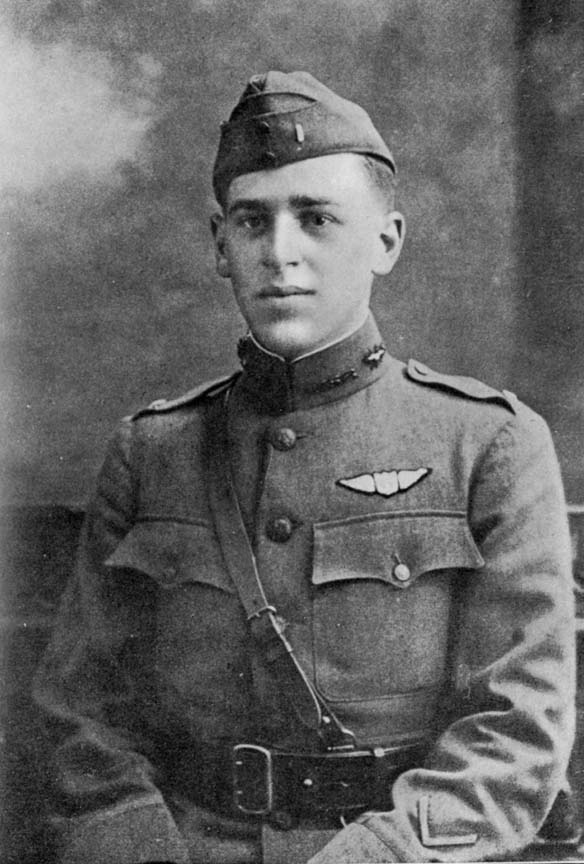
SON of Albert E. and Marion Breed (Hall) Bailey; was born at North Scituate, Mass., Oct. 25, 1898. He attended the Newton High School and Worcester Academy, and entered Harvard College in 1915.
He enlisted in Naval Aviation as soon as that branch of the Service was created in June, 1917. He trained at the Naval Aviation Ground School, M.I.T., and later at Pensacola, Fla. He was commissioned Ensign, in Feb., 1918, and sailed for France, March 6, 1918, finishing his training at Moutchic-Lacanau, France. In May, 1918, he was transferred to Arcachon, in the Gironde, and saw active service there, as well as at Ile Tudy, Finistère.
He returned to the U.S. on Dec. 18, 1918, and was placed on active duty at Chatham, Mass., where he was made Flight Commander. He was later stationed at the Naval Air Base, at Norfolk, Va. He was commissioned Lieut. (j.g.) in March, 1919.

SON of Willis Duer and Abby E. (Whiton) Thompson; was born at Concord, N.H., May 26, 1895. He was educated at the Concord High School, and at Dartmouth College, class of 1917. Previous to enlistment be trained with the Dartmouth College Regiment, in 1917.
He enlisted at Boston, Mass., on May 4, 1917, and spent two months with the M.I.T. Naval Aviation Detachment; then four months at the Naval Air Station, Hampton Roads, Va. Following this he trained for two months at the Naval Air Station, Pensacola, Fla. He was commissioned Ensign, March 4, 1918, ordered overseas, and stationed at the Naval Air Station, Moutchic-Lacanau, France. His permanent assignment was at the U.S. Naval Air Station, L'Aber Vrach, Finistère, France.
Released from active service at Bay Shore, N.Y., on Dec. 20, 1918.
Brother in Service ---
Raymond H. Thompson, Lieut., U.S.A., 2d Marine Corps; died of influenza, Sept. 13, 1918.

SON of William and Rose D. (Phinney) Grosvenor; was born at Providence, R.I., Jan. 3, 1897. He was educated at St. George's School, Newport, R.I., and at Harvard College, class of 1920.
He attended the Plattsburg Training Camp in 1916, and the Harvard R.O.T.C. for one year. He enlisted at Squantum, Mass., and was attached to the U.S.N.A. Station there from May 10 to Oct. 15, 1917. He trained at U.S.N.A.S., Hampton Roads, Va., from Oct. 15 to Feb. 5, 1918. He was commissioned Ensign, Jan. 2, 1918; attended Camp Hicks, Tex., School of Aerial Gunnery, R.F.C., from Feb. 5 to March 1, 1918; was attached to Headquarters, Washington, D.C., from March 1 to March 29, 1918. He sailed overseas, March 29, and was stationed at U.S.N.A.S., Killingholme, Eng., till Dec. 1, 1918. He was commissioned Lieut. (j.g.), Oct. 1, 1918. Placed on inactive duty, Jan. 15, 1919.
Brother in Service ---
William Grosvenor, 2d Lieut., A.S.A., U.S.A.
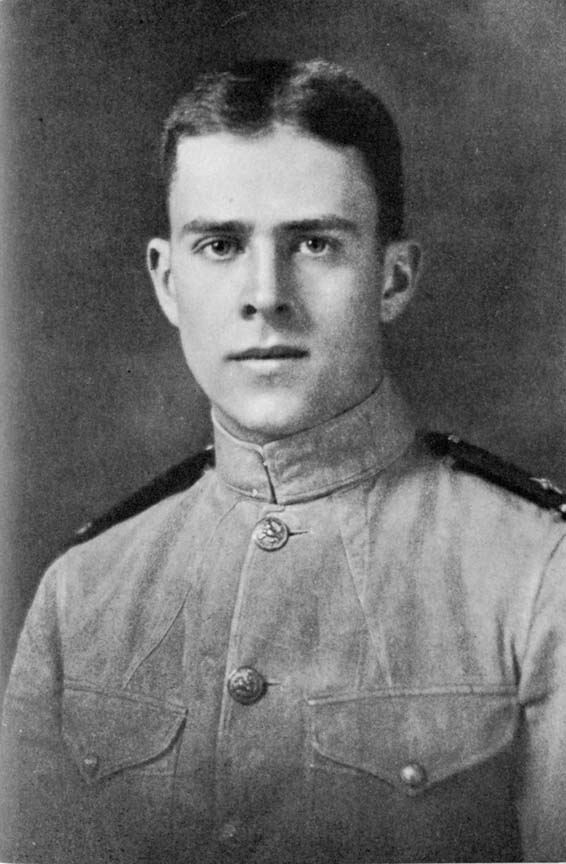
SON of Arthur W. and Alice (Green) Mudge; was born at Jamaica Plain, Mass., Sept. 1, 1895. He was educated at Worcester Academy, Phillips Andover Academy, and at Princeton University.
He attended the Plattsburg Training Camp in 1916, and enlisted on June 4, 1917, at New York City. He trained with the Royal Flying Corps at the School of Military Aeronautics, Toronto, Can.; at Camp Rathbun; Deseronto; and Camp Borden; from July 10 to Nov. 9, 1917, when he was commissioned Ensign, U.S.N.R.F. He was stationed successively at Bay Shore, N.Y., and Pensacola, Fla., until June 25, 1918. He sailed overseas, and was attached to the Northern Bombing Group, U.S.N.A. Force from July 17 to Nov. 23, 1918. On Dec. 3, 1918, he was commissioned Lieut. (j.g.). Placed on inactive duty Jan. 1, 1919.
Brother in Service ---
Arthur W. Mudge, Jr., Capt., U.S.A., 22d Regiment, Infantry.