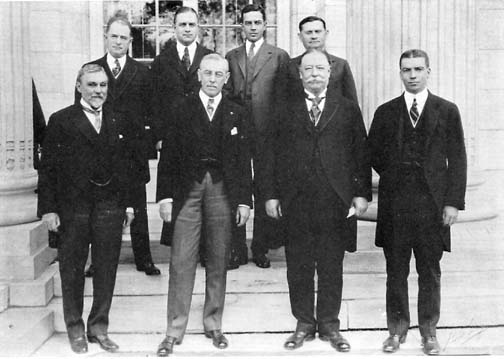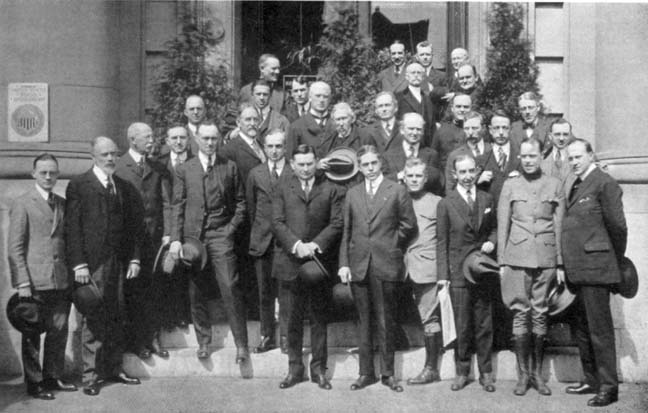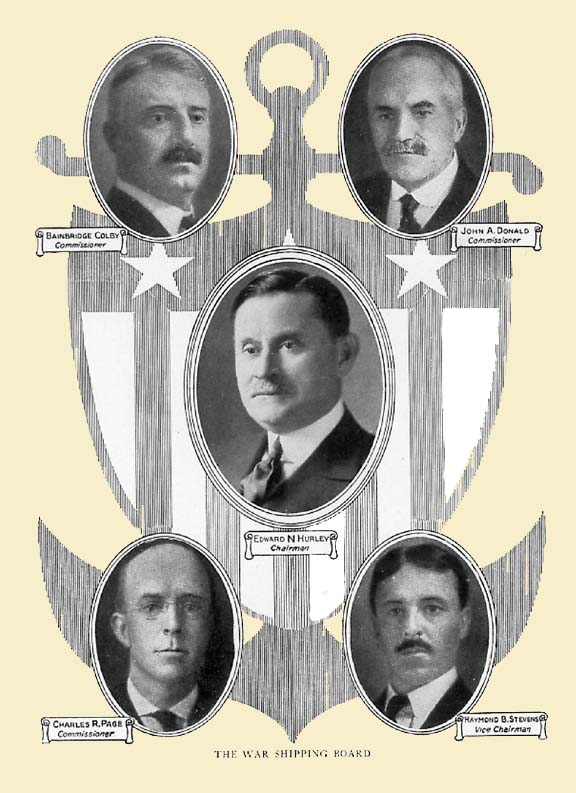
Fig. 1. The War Shipping Board
.
FOREWORD GERMANY never would have begun her ruthless submarine warfare on February 1, 1917, if the United States had possessed a substantial merchant marine. She knew that even if we had possessed two million well-trained men equipped and ready to embark at the time we declared war, we might have transported them with the help of the British; but our War Department would have refused to send them to France unless the Shipping Board could guarantee sufficient cargo-ships to keep them supplied with food and munitions of war.
During the first three months of Germany's merciless campaign, 470 ocean-going cargo-ships were sunk; and during the entire month of April the losses were 1,250,000 deadweight tons. One hundred and twenty-two ocean-going cargo-ships were sunk the first two weeks in April, after the United States declared war. The rate of the British loss in ocean-going tonnage during those two weeks was equivalent to an average round-voyage loss of 25 per cent.---one out of every four ships leaving the United Kingdom for overseas. In the first half of 1917, one British ship in ten that passed the Straits of Gilbraltar never returned.
Germany was well aware of our lack of ships; and in view of these enormous Allied losses, figured that it would be impossible for us to provide the cargo-ships needed to feed and maintain overseas an army large enough to prevent the execution of her plans to crush her enemies. The Allies, too, recognized our great need of cargo-ships; but they were helpless to give us any tonnage, for they had lost 6,000,000 deadweight tons to December, 1916, and then were losing 650,000 tons a month, making their total losses 8,000,000 deadweight tons for 1917. Hence, their urgent appeal to us for "ships, ships and more ships!" if the war were to be won, was warranted by the acute necessity.
It was under these trying conditions that the United States Shipping Board and the Emergency Fleet Corporation assumed the task of acquiring, building and operating sufficient cargo-ships to maintain an army in France.
The men associated with me in this task were of the type that has made our country a great industrial nation. These men had only one objective---to help win the war. No other group of executives gathered together in such a short time could have accomplished more than they did.
When the United States declared war against Germany we had less than 50,000 shipyard workers. By the end of 1918 we were employing 350,000 and an additional 180,000 were employed in the 553 mills and factories that supplied the engines, boilers, materials, etc. Moreover, during this period we trained 42,000 men to man the ships at sea, which we acquired and built, 14,000 of whom were deck and engineer officers.
A summary of the achievements of the Shipping Board and Emergency Fleet Corporation is contained in the following excerpt from the report of a Select Committee of the House of Representatives appointed after the war to investigate the War Shipping Board:
"Considering the program as a whole, the accomplishments in the number of ships constructed, the tonnage secured and the time within which the ships were completed and delivered, constitute the most remarkable achievement in ship building that the world has ever seen."
I have felt that I should tell the story of the manner in which we provided and operated the oft-referred-to "Bridge of Ships." Therefore, as a business man and not as an author, I present this volume.
EDWARD N. HURLEY
Chicago.
|
|
The War Shipping Board |
|
|
Red Cross War Council |
|
|
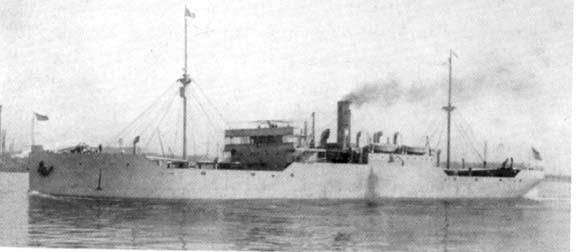
Fabricated Ship |
|
|
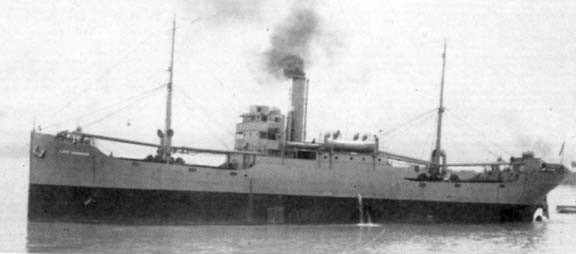
Great Lakes Steel Ship |
|
|
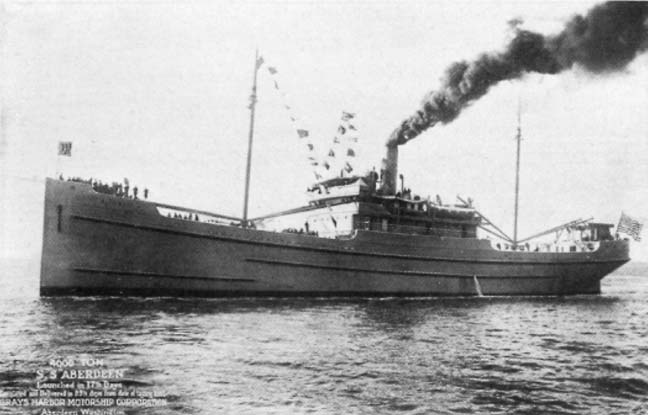
Wood Ship |
|
|
Charles Piez |
|
|
War Cartoon, " The Bridge to France," by J. N. Darling |
|
|
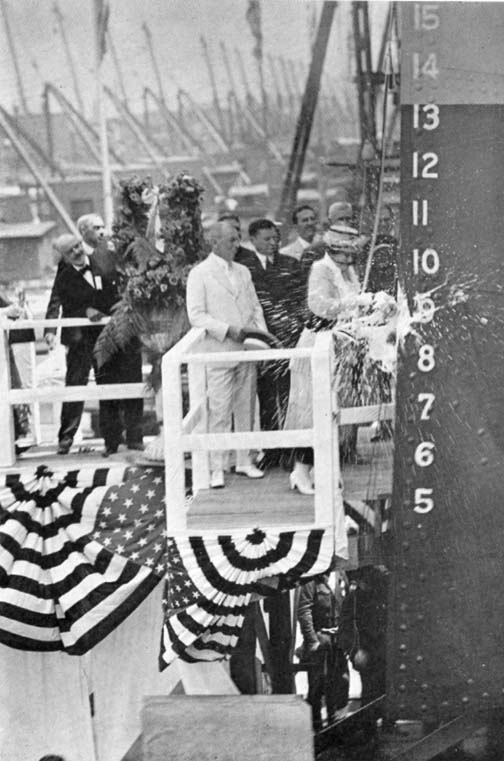
Mrs. Wilson Christening the Quistconck |
|
|
Edward F. Carry |
|
|
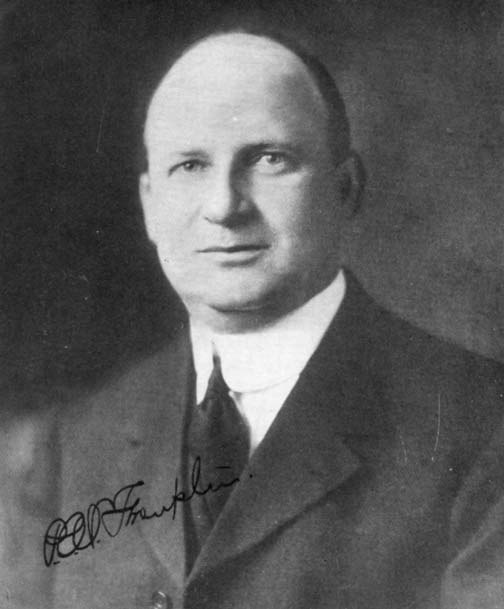
P. A. S. Franklin |
|
|
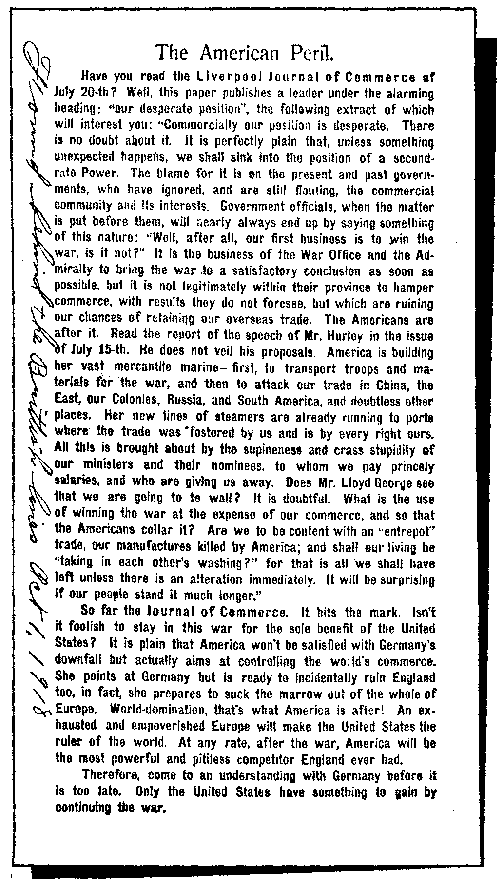
The American Peril |
|
|
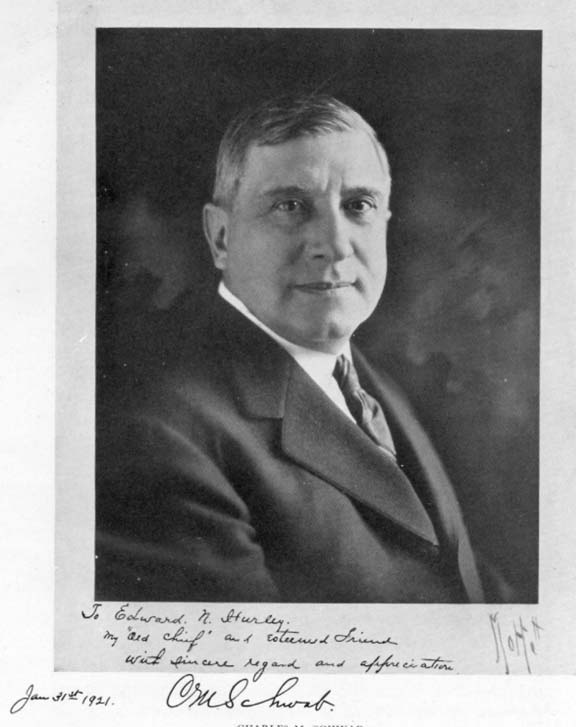
Charles M. Schwab |
|
|
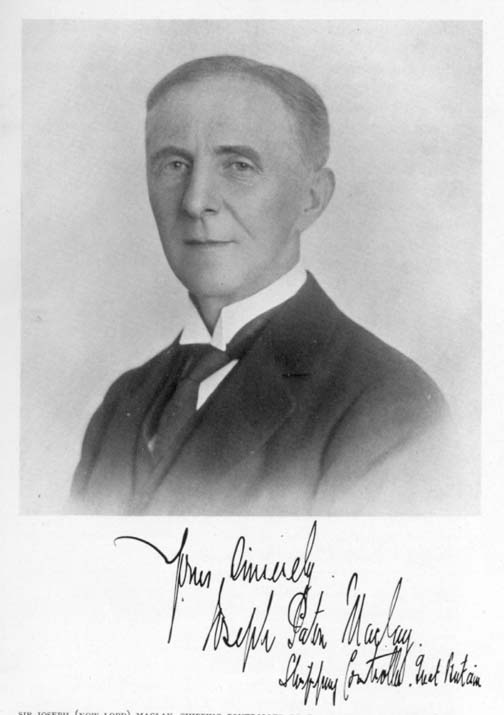
Sir Joseph Maclay |
|
|
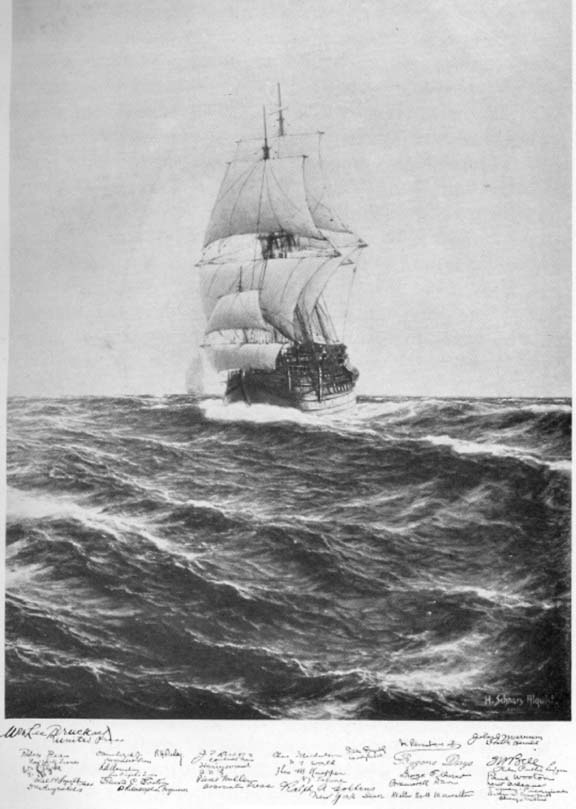
"By-gone Days" |
|
|
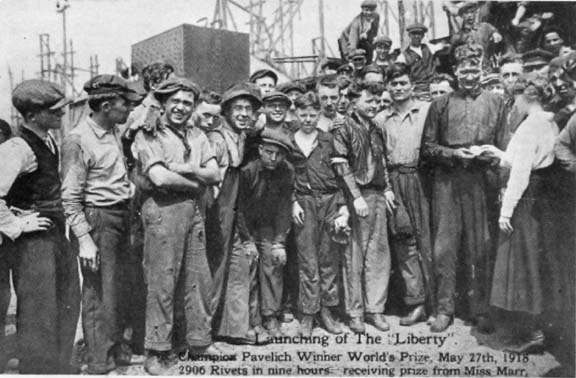
Pavelich, Champion Riveter, and His Crew |
|
|
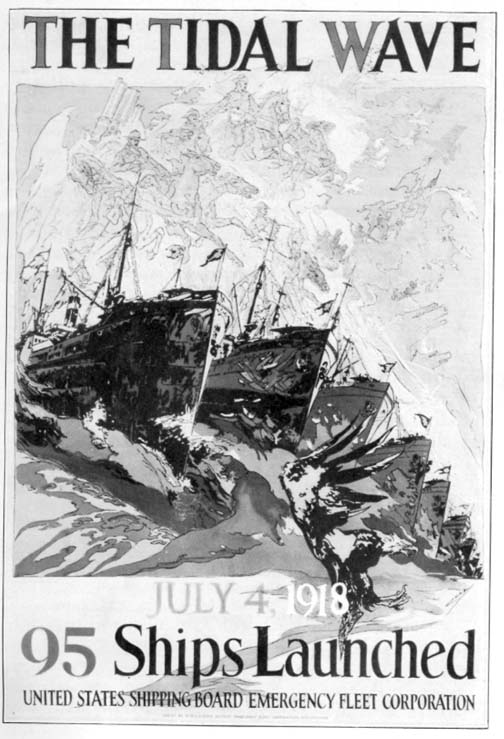
War Poster, "The Tidal Wave," by J. C. Coll |
|
|
Division of Pictorial Publicity, Charles Dana Gibson, Chairman |
|
|
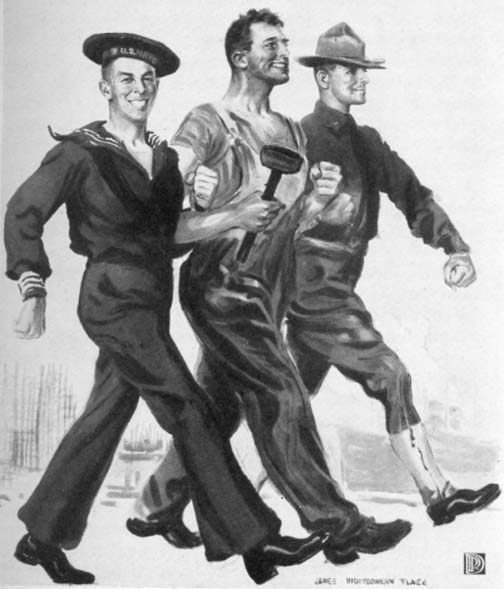
"The Big Parade," War Poster, by James Montgomery Flagg |
|
|
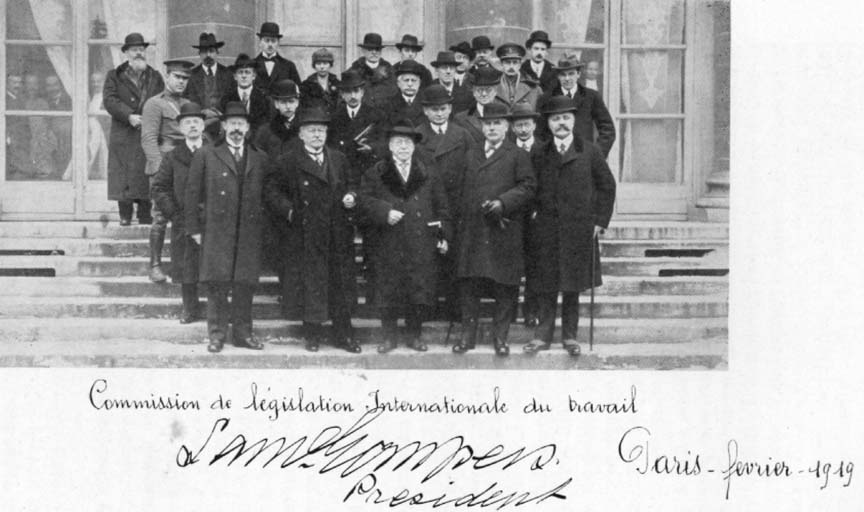
International Labor Board |
|
|
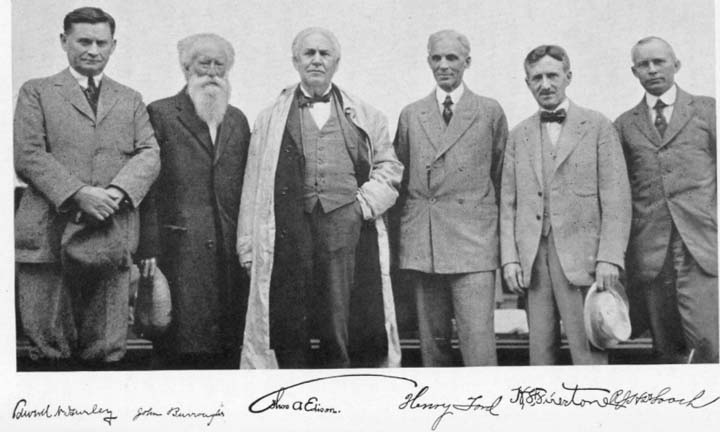
Hurley, Burroughs, Edison, Ford, Firestone, DeLooch |
|
|
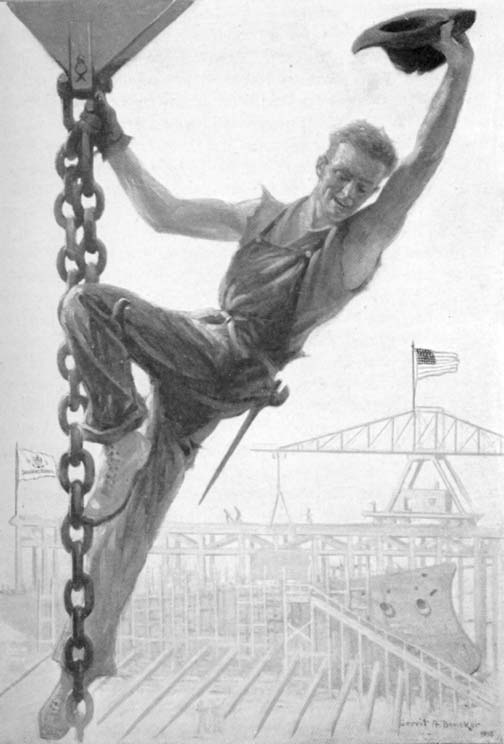
War Poster by Mr. Gerrit A. Beneker |
|
|
Admiral William Sheppard Benson |
|
|
Large Type Pacific Coast Steel Ship |
|
|
Henry M. Robinson |
|
|
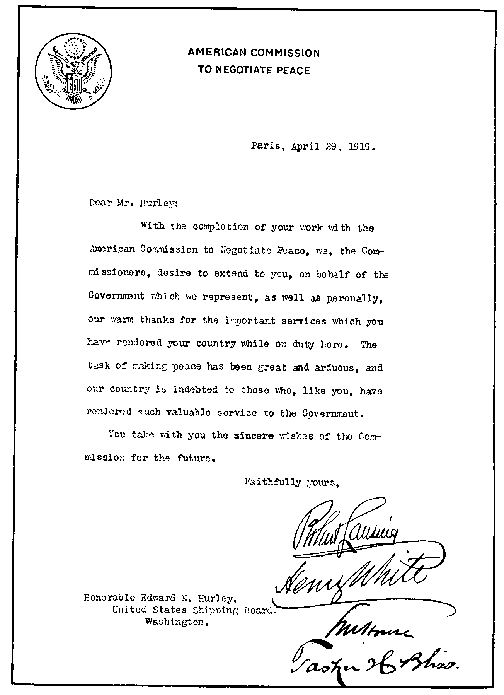
American Commissioners' Letter |
|
|
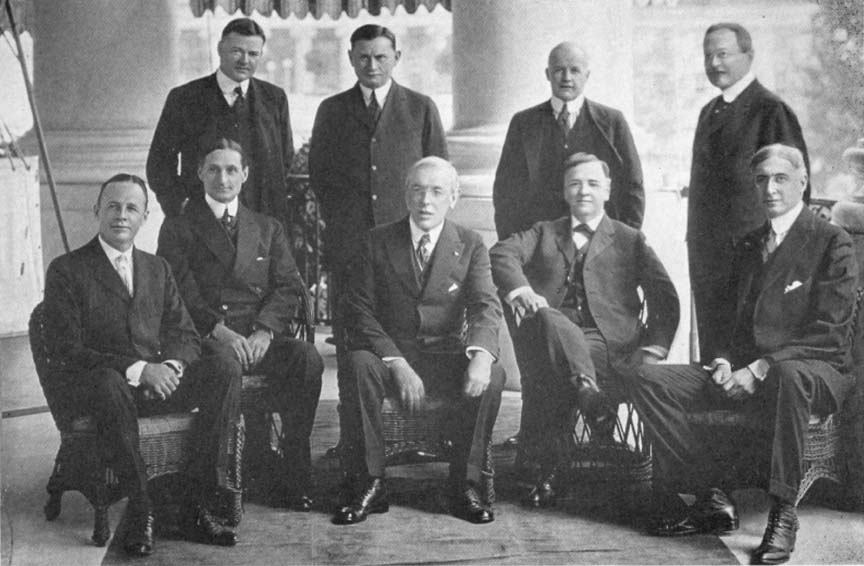
The War Cabinet |